.png)
Why Overflowing Gutters Can Damage Your Roof Faster Than Storms Can in Batesville
March 11, 2026
•
Written By
Ladder Lions Roofing
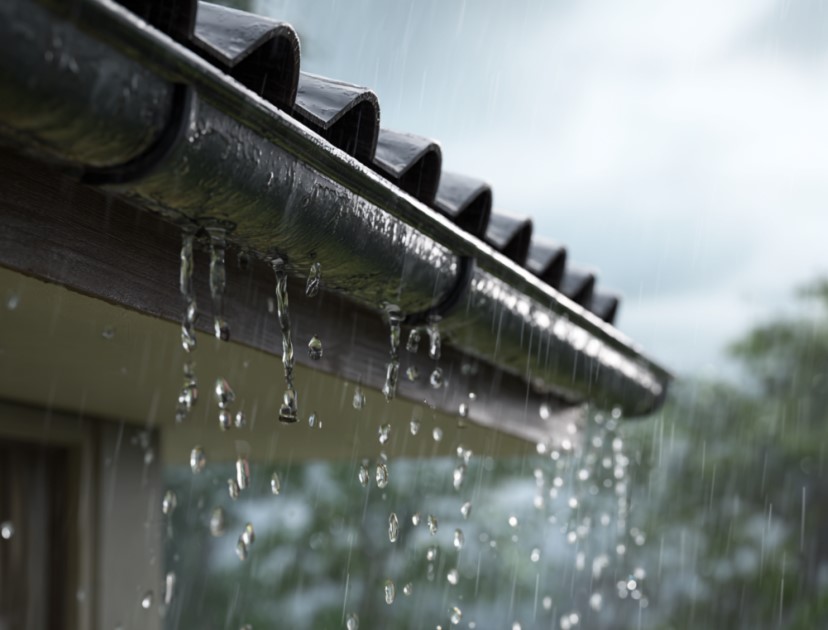
Every spring in Batesville, a strong rain rolls through and gutters start spilling over. Homeowners often assume the storm caused the issue. But more often than not, the storm just exposed a problem that had been building quietly for months.
The real issue is ongoing gutter overflow risks.
Here’s the truth: overflowing gutters can cause roof water damage faster than storms can because storms are temporary. Overflow is repetitive. And repeated moisture exposure is what slowly breaks down a roofing system.
In Southeast Indiana, where we average more than 45 inches of rain annually and deal with freeze-thaw winters, drainage maintenance directly affects how long your roof lasts.
This article focuses on one central idea:
Why repeated gutter overflow damages your roof faster than severe weather events.
We’ll cover:
- How overflow creates repeated roof exposure
- Why homes in Batesville are especially vulnerable
- The difference between storm impact and chronic drainage failure
- Early warning signs of overflow-related roof water damage
- How proper drainage maintenance protects your roof long term
If your gutters spill over during moderate rain, not just severe storms, that’s usually a sign your system is exposing your roof more often than it should. Ladder Lions Roofing can help.
Why Gutter Overflow Is a Greater Long-Term Threat Than Storms
Storms are dramatic. Overflow is subtle.
That subtlety is exactly why gutter overflow risks often cause more long-term roof water damage than storms.
A severe storm may last a few hours. But if your gutters clog or your system is undersized, every rainfall becomes a problem. In Batesville, that can mean dozens of rain events each year.
When gutters overflow repeatedly:
- Water pools along the eaves
- Fascia boards stay damp
- Moisture works beneath shingles
- Roof decking absorbs repeated exposure
Storm damage is typically a single event. Gutter overflow risks create repeated exposure. And repeated exposure leads to faster material breakdown.
That’s the key difference.
Understanding the Mechanics Behind Roof Water Damage
To fully understand why overflowing gutters can damage your roof faster than storms can, it helps to look at how water behaves.
A properly functioning water drainage roofing system moves rain from shingles to gutters and safely away from the structure. When drainage maintenance is neglected, that system fails at the roof edge.
Instead of flowing away, water backs up and sits.
Standing water along the eaves increases the likelihood that moisture will:
- Penetrate beneath shingle tabs
- Saturate roof decking
- Loosen fasteners
- Accelerate edge deterioration
Storm damage tends to be visible and immediate. Overflow damage is slower, but it happens every time it rains.
If your roof edge experiences moisture exposure 30 or more times per year due to clogged gutters, that repeated stress often leads to roof water damage faster than a single wind-driven storm ever would.
This is why routine drainage maintenance is not optional in Batesville. It is preventative protection.
Storm Damage vs. Gutter Overflow Risks: A Direct Comparison
To keep this grounded in the main question, let’s compare the two directly.
Severe Storm Damage
- Sudden and noticeable
- Often tied to wind or impact
- May be covered by insurance
- Typically one isolated event
Chronic Gutter Overflow
- Repeated exposure
- Rarely covered by insurance
- Caused by neglected drainage maintenance
- Progressive roof water damage
Storms are unpredictable. Gutter overflow risks are preventable.
In Batesville, rainfall is frequent. If your system fails during normal rain, your roof may experience more total moisture exposure in one year from overflow than from any single storm event.
That repeated exposure is what accelerates deterioration.
Why Homes in Batesville Are Especially Vulnerable
Local conditions make gutter overflow risks even more dangerous here.
Homes in Batesville deal with:
- Heavy spring rainfall
- Fall leaf accumulation
- Freeze-thaw winter cycles
- Clay-heavy soil
Even moderate rainfall can overwhelm clogged or undersized gutters. That means roof water damage is not limited to extreme weather events. It often develops during completely normal weather.
In winter, backed-up water freezes at the eaves. Ice dams form. Ice traps additional moisture behind shingles.
Each freeze-thaw cycle stresses the same roof areas again and again. This is how drainage maintenance failures compound into larger structural issues.
Storms may get attention. But climate-driven repetition is what shortens roof lifespan.

Early Signs That Gutter Overflow Is Damaging Your Roof
Overflow-related damage rarely starts dramatically. It develops gradually.
Watch for:
- Dark streaking along the eaves
- Peeling or soft fascia boards
- Gutters pulling away from the roofline
- Granules collecting below overflow areas
- Musty odors in the attic
These signs are rarely caused by one storm. They are usually the result of repeated gutter overflow risks exposing the same roof edge areas again and again.
If gutters overflow during moderate rainfall, that is a warning sign that roof water damage may already be developing.
Case Example: Storm Blamed, Overflow Responsible
A homeowner in the area recently blamed a thunderstorm for roof edge staining. Inspection revealed clogged gutters and improper pitch had caused overflow for multiple seasons.
The storm did not create the problem. It revealed the problem.
Damage included:
- Rotted fascia
- Soft roof decking
- Premature shingle wear
This pattern is common. Storms expose damage caused by repeated drainage maintenance failures.
Why Repetition Causes Faster Roof Failure
The reason overflowing gutters can damage your roof faster than storms can comes down to frequency and exposure.
Storm damage is intense but brief.
Overflow damage is moderate but repeated.
Every rainfall event adds moisture stress. Over time:
- Wood fibers weaken
- Sealants break down
- Shingle edges deteriorate
- Roof lifespan shortens
Additionally, many roofing manufacturers assume proper water drainage roofing performance. Chronic gutter overflow risks can jeopardize warranty protection if drainage maintenance has been neglected.
Upgrading to properly sized gutters, correcting pitch, and ensuring clear downspouts reduce the number of overflow events per year. Fewer events mean less cumulative roof water damage.
Connecting Overflow to the Bigger Drainage Picture
Overflow is often a symptom of a larger system issue.
Clogs, undersized gutters, improper pitch, or poorly positioned downspouts all contribute to repeated overflow. Addressing these supports the entire water drainage roofing system.
For a full breakdown of how water should move from roof surface to safe discharge, see our guide on downspout positioning and foundation protection. That pillar explains the complete drainage process. This article focuses specifically on why gutter overflow risks accelerate roof water damage.
Together, they provide the full picture for homeowners in Batesville.
Gutter Overflow Risks and Roof Water Damage FAQs for Homeowners in Batesville
If you’re wondering how gutter overflow risks actually compare to storm damage, these are the most common questions we hear from homeowners in Batesville. The answers below focus on how drainage maintenance directly impacts roof water damage over time.
Can gutter overflow really cause roof water damage?
Yes, gutter overflow can cause roof water damage. When gutters spill over, water backs up under shingles and repeatedly saturates the roof edge, leading to gradual structural deterioration. Unlike storm damage, this exposure happens every time it rains if drainage maintenance is neglected.
Is overflow damage worse than storm damage?
Overflow damage can be worse than storm damage. Storm damage is typically a single event, while gutter overflow risks create repeated moisture exposure that accelerates roof water damage over months or years. The frequency of exposure is what makes overflow more destructive long term.
How often should drainage maintenance be performed to prevent overflow?
Drainage maintenance should be performed at least twice per year. Cleaning gutters in spring and fall reduces gutter overflow risks and protects your roofing system from repeated moisture exposure. In a climate like Batesville, consistent maintenance significantly lowers roof water damage risk.
Does gutter overflow contribute to ice dams in Batesville?
Yes, gutter overflow contributes to ice dams in Batesville. When water backs up and freezes at the eaves, ice dams trap moisture behind shingles and increase roof water damage. Proper drainage maintenance keeps water moving and reduces freeze-related stress.
Is roof water damage from gutter overflow covered by insurance?
Roof water damage from gutter overflow is often not covered by insurance. Because gutter overflow risks are considered preventable through routine drainage maintenance, insurers frequently classify the damage as maintenance-related rather than storm-related.
How can I tell if gutter overflow is already damaging my roof?
You can tell gutter overflow may be damaging your roof if you notice staining at the eaves, soft fascia boards, granule buildup below gutters, or repeated overflow during moderate rain. These signs usually indicate ongoing roof water damage caused by poor drainage maintenance.
The Bottom Line: Why Overflow Often Causes More Damage Than Storms
Storms get the blame. But in many cases across Batesville, roof water damage happens because of repeated gutter overflow risks, not one severe storm.
When drainage maintenance is ignored, every rainfall becomes another stress cycle for your roof edge.
Over time, those cycles add up faster than most homeowners expect.
With more than 35 years of experience serving Southeast Indiana, certified crews, and a 10-Year No-Leak Guarantee, Ladder Lions Roofing understands how local weather patterns impact roofing systems.
If your gutters are overflowing, do not wait for the next storm to expose the damage.
Schedule your free inspection today.
Recent Articles
Commercial Roofing
Commercial Roof Maintenance: A Practical Guide for Building Owners
September 22, 2026
Residential Roofing
The Platinum Standard: Why Shingle Manufacturer Certifications Control the Life of Your Roof Warranty
September 15, 2026
Residential Roofing
GAF vs Owens Corning Shingles: An Honest Comparison
September 15, 2026
Commercial Gutters
Commercial Gutter Overload: Avoiding Building Erosion and Foundation Damage During August Storms
August 17, 2026