.png)
Insurance Claims 101: How to Document Roof Damage the Right Way
May 3, 2026
•
Written By
Ladder Lions Roofing
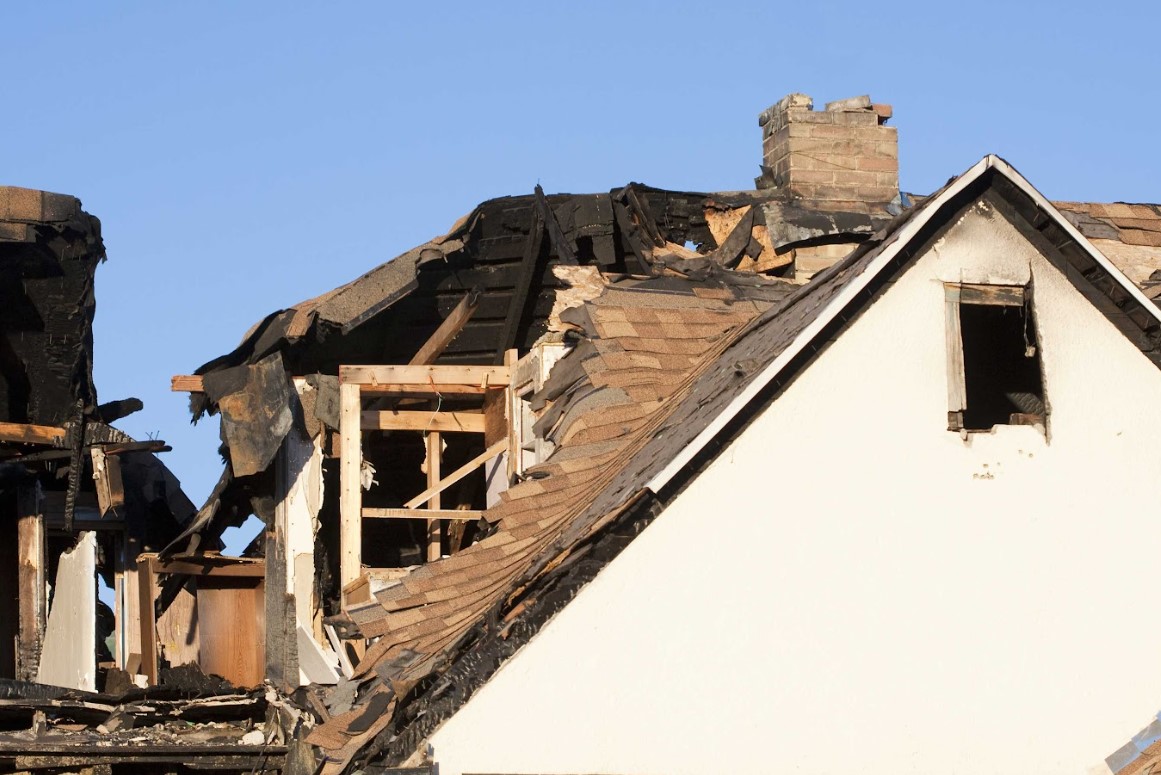
Filing a roof insurance claim starts with clear, accurate storm damage documentation. Insurance companies rely on what you can prove, not just what you say. Knowing how to document roof damage the right way helps homeowners avoid delays, strengthen their claim, and move from damage to repair with fewer complications.
Storms in Southeast Indiana have a way of showing up fast and leaving just as quickly, but the damage they leave behind tends to stick around. A single night of wind and rain can loosen shingles, dent gutters, or push water into places it doesn’t belong. By the next morning, most homeowners are thinking about filing a roof insurance claim, but the bigger question is whether the damage has been documented the right way.
That’s where most claims either move forward smoothly or get held up. The difference usually isn’t the damage itself. It’s the documentation behind it.
Here’s what you’ll learn:
- How to properly document storm damage to your roof step by step
- What insurance companies expect when reviewing roof insurance claims
- What the full claims process looks like
- What mistakes can weaken your claim and how to avoid them
- Practical homeowner insurance tips for homeowners in Batesville and Southeast Indiana
If you’re dealing with storm damage and not sure how to document it properly, Ladder Lions Roofing can help you get everything in order from the start.
Why Documenting Roof Damage Matters in Southeast Indiana
Understanding how to document roof damage the right way starts with understanding how damage happens here.
In Southeast Indiana, roofs deal with:
- High winds that lift or remove shingles
- Heavy rain that finds weak points quickly
- Hail that leaves impact damage
- Repeated storms that layer damage over time
Because of these conditions, roof insurance claims in this area often depend on clear, well-timed documentation. Damage is not always obvious, and if it is not recorded properly, it becomes harder to prove later.
Key terms to understand:
- Storm damage documentation: Evidence that shows what happened and how your roof was affected
- Filing a roof insurance claim: Submitting that evidence to your insurance provider
- Adjuster inspection: The insurance company’s review of your documentation and property
The goal is simple. Show what happened, when it happened, and how it affected your roof. Everything in this guide ties back to doing that correctly.
What to Know Before You Start Documenting Roof Damage
Before you grab your phone or call your insurance company, it helps to understand what matters most in the documentation process.
Your Policy Sets the Rules
Every claim is reviewed against your policy. Knowing what is covered helps you focus your documentation.
Timing Affects Everything
Most policies have a reporting window. Documenting storm damage to your roof as soon as possible keeps your claim valid and easier to support.
Documentation Builds the Claim
The strength of your roof insurance claim depends on the quality of your documentation. Clear records lead to clearer decisions.
Not Every Issue Requires a Claim
Some minor damage may be better handled directly. The goal is to document first, then decide.
Expect Some Out-of-Pocket Costs
Deductibles and uncovered items are part of the process, so planning ahead helps avoid surprises.
Step-by-Step: How to Document Roof Damage the Right Way
If you want to handle a claim properly, the process starts with documenting storm damage in a structured and consistent way. Each step builds toward a stronger claim.
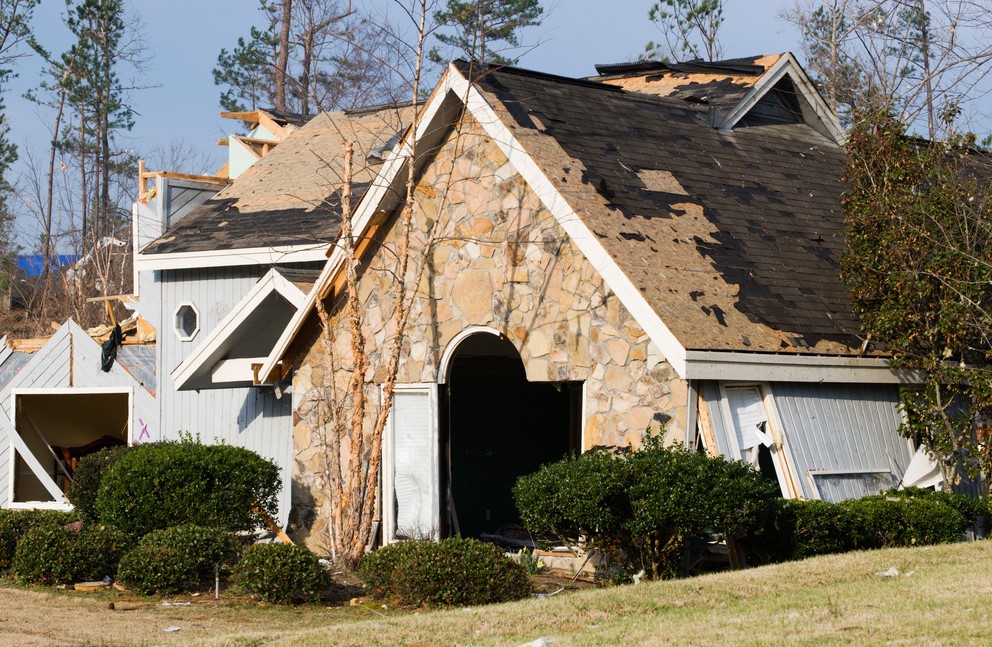
Step 1: Capture Clear, Complete Photos
Photos are the foundation of documenting roof damage the right way.
- Take wide shots of your home and roof
- Capture close-ups of visible damage
- Include gutters, siding, and surrounding areas
The goal is to create a visual record that shows both the overall condition and specific damage.
Step 2: Record the Timeline of Events
Strong documentation connects damage to a specific storm.
- Note the date and time of the storm
- Record when damage was first noticed
This step helps tie your roof insurance claim directly to a weather event.
Step 3: Identify Interior and Exterior Damage
Storm damage is not always limited to what you see outside.
- Look for ceiling stains or moisture intrusion signs
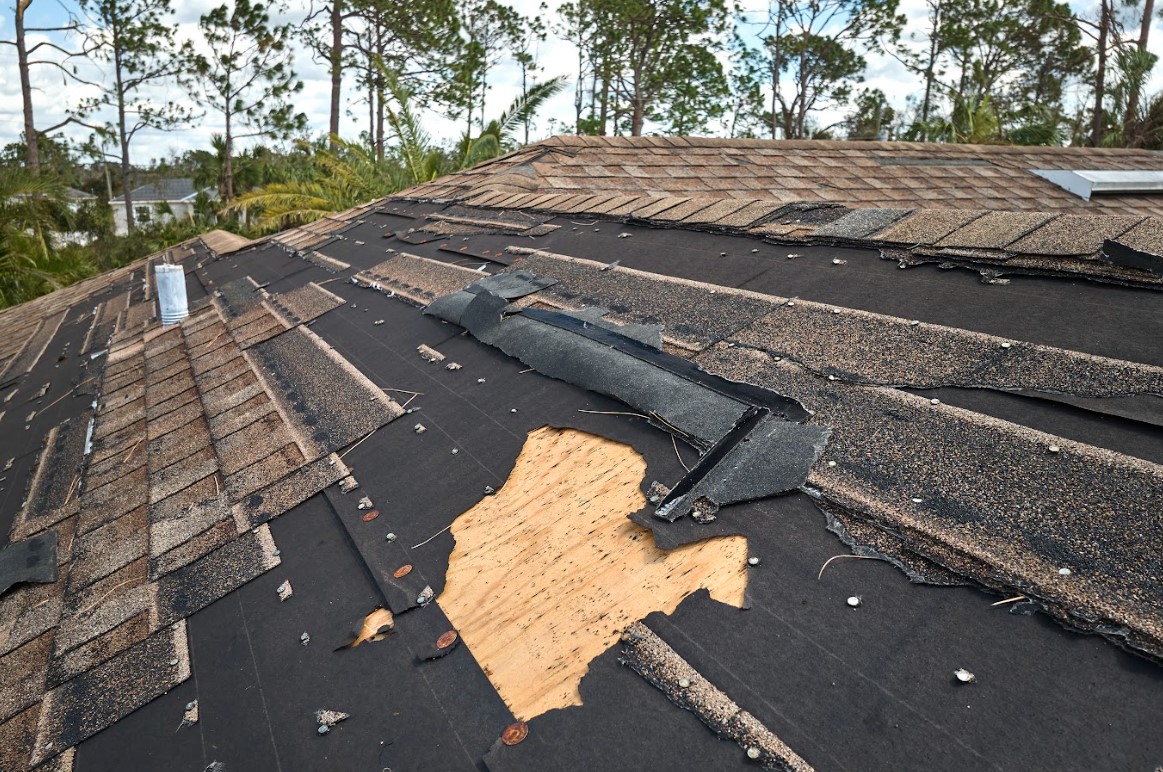
- Check for missing shingles or impact marks
- Note any changes after the storm
If you’re noticing interior signs, understanding ceiling water stain causes and roof leak indicators helps connect what’s happening inside your home back to roof damage.
Step 4: Keep Records Organized
Documentation is not just photos. It is everything tied to the event.
- Save receipts for temporary repairs
- Keep notes from inspections
- Track communication with your insurance company
Organization makes your claim easier to review and harder to dispute.
Step 5: Get a Professional Estimate
A professional estimate adds clarity and credibility to your documentation.
- Identifies damage that may not be visible
- Provides a detailed scope of work
- Supports your claim with expert insight
This step often turns basic documentation into a complete claim.
Documentation Checklist That Strengthens Roof Insurance Claims
Each of these steps supports the core goal of documenting roof damage the right way.
What Can Hurt Your Roof Insurance Claim
Knowing what to avoid is just as important as knowing what to do.
- Waiting too long to document damage
- Taking incomplete or unclear photos
- Guessing the cause instead of documenting it
- Throwing away damaged materials
- Filing without enough supporting evidence
Avoiding these mistakes protects the strength of your documentation.
What Homeowners Typically Pay in a Roof Insurance Claim
Cost is part of every claim, but it should always be understood in context.
- You are responsible for your deductible
- Insurance covers damage based on your policy
- Some repairs or upgrades may not be included
Understanding this helps you make informed decisions while documenting roof damage and planning next steps.
When to Bring in a Roofing Contractor
Knowing when to involve a professional is part of documenting roof damage the right way.
You should bring in a contractor:
- After visible storm damage
- When documentation is unclear
- Before or during the claims process
A contractor helps confirm damage, strengthen documentation, and guide the next steps.
What Happens After You File a Roof Insurance Claim
Once your documentation is submitted, the process continues.
- Insurance reviews your documentation
- An adjuster inspects your roof
- A decision is made based on evidence and policy
Clear documentation helps move this process along more smoothly. If immediate protection is needed while your claim is being reviewed, understanding temporary and permanent emergency roof repair solutions can help you prevent further damage without interfering with your claim.
Deep Dive: What Insurance Companies Look for in Roof Insurance Claims
To document roof damage the right way, it helps to understand how insurance companies evaluate claims.
What Strengthens Documentation
Pros:
- Clear, time-stamped photos
- Consistent records across all documentation
- Professional inspection reports
What Weakens Documentation
Cons:
- Missing or vague evidence
- Delayed reporting
- Signs of pre-existing damage
Why This Matters in Southeast Indiana
In this region:
- Storm damage may not be immediately visible
- Multiple storms can overlap damage timelines
- Similar damage across neighborhoods can support claims
This makes accurate, timely documentation even more important.
How Ladder Lions Roofing Helps You Document Roof Damage the Right Way
We’ve been helping homeowners in Southeast Indiana since 1990, and we understand how to approach roof insurance claims from both sides.
Our process is built around proper documentation:
- Identify storm-related damage clearly
- Help organize documentation for your claim
- Provide accurate, detailed estimates
- Support you throughout the process
We don’t just repair roofs. We help you document damage the right way so the process works as it should.
Roof Insurance Claim Questions Homeowners Ask After Storm Damage
When you’re dealing with storm damage, most homeowners have the same concerns about documentation, timing, and what to expect next. These answers focus on how to document roof damage the right way so your claim has the best chance of moving forward smoothly.
What is a roof insurance claim?
A roof insurance claim is a request you submit to your insurance company to cover storm-related damage. It includes documentation that shows what happened, when it happened, and how your roof was affected.
How do I document storm damage to my roof?
Documenting storm damage to your roof means taking clear photos, recording the timeline of events, and saving supporting records like inspection notes. This creates a complete and verifiable record for your claim.
When should I file a roof insurance claim?
You should file a roof insurance claim as soon as you notice storm-related damage. Acting quickly helps ensure your documentation is accurate and keeps your claim within policy deadlines.
What does an insurance adjuster look for during a roof inspection?
An insurance adjuster looks for clear evidence of storm-related damage and compares it to your policy coverage. Strong, consistent documentation helps support your claim during this review.
Will insurance cover all roof damage?
Insurance will not always cover all roof damage, as coverage depends on the cause and your specific policy. Damage from storms is often covered, while wear and tear typically is not.
Do I need a contractor before filing a roof insurance claim?
You do not need a contractor before filing a roof insurance claim, but having a professional estimate can strengthen your documentation and help identify damage you might miss.
What is the first step after storm damage to my roof?
The first step after storm damage to your roof is documenting what you see as soon as possible. This includes taking photos and noting the timeline, which sets the foundation for a strong claim.
Final Thoughts: Documenting Roof Damage the Right Way Makes the Difference
Roof insurance claims are not won or lost on paperwork alone. They come down to how well the damage is documented from the very beginning. When you take the time to document storm damage to your roof the right way, you make it easier for your claim to move forward, easier for adjusters to verify, and easier to get the repairs your home actually needs.
Most problems don’t come from the storm itself. They come from missing details, unclear photos, or waiting too long to act. Strong storm damage documentation removes that uncertainty and puts you in a better position from day one.
At Ladder Lions Roofing, we’ve been helping homeowners handle roof insurance claims across Southeast Indiana since 1990. We know what adjusters look for, how to document roof damage properly, and how to turn that documentation into a clear plan for repair.
If your roof has taken a hit, don’t guess your way through the process. Get clear answers, solid documentation, and a team that knows how to do it right.
Schedule your free estimate today and make sure your roof insurance claim starts on solid ground.
Recent Articles
Commercial Roofing
Commercial Roof Maintenance: A Practical Guide for Building Owners
September 22, 2026
Residential Roofing
The Platinum Standard: Why Shingle Manufacturer Certifications Control the Life of Your Roof Warranty
September 15, 2026

Residential Roofing
GAF vs Owens Corning Shingles: An Honest Comparison
September 15, 2026

Commercial Gutters
Commercial Gutter Overload: Avoiding Building Erosion and Foundation Damage During August Storms
August 17, 2026