.png)
Water Stains on Your Ceiling? What They Reveal About Your Roof
May 3, 2026
•
Written By
Ladder Lions Roofing
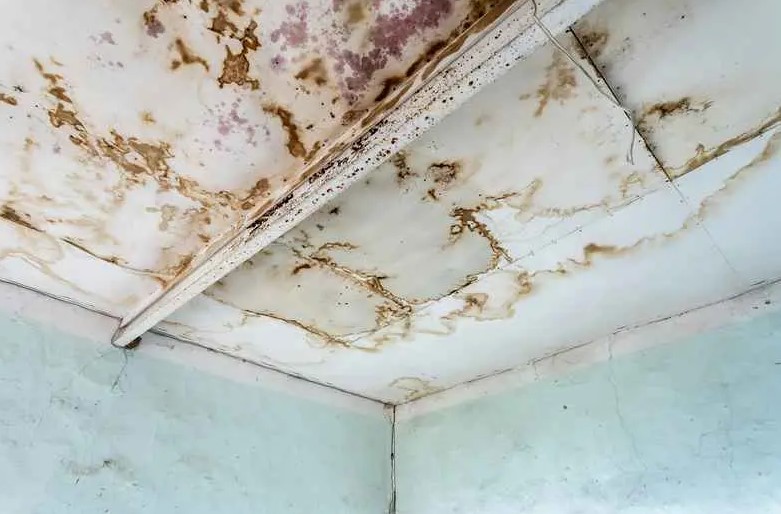
Water stains on your ceiling are one of the earliest roof leak indicators homeowners notice. These stains point to moisture intrusion somewhere in your roofing system. Understanding ceiling water stain causes helps you catch problems early and prevent bigger damage.
It usually shows up after a run of rough weather. You glance up and spot a faint brown ring or a darker patch starting to spread. In Southeast Indiana, that kind of ceiling stain is often one of the first signs of a roof leak and a clear hint that something isn’t right above you.
The key is knowing what those stains actually mean. Not every stain points to the same issue, but every one of them is a signal worth paying attention to.
Here’s what you’ll learn:
- The most common causes of water stains on your ceiling
- What different stain locations and patterns reveal
- How fast these problems can get worse
- What it typically costs to fix the issue
- When to call for help with roofing issues in Batesville and surrounding areas
If you’re seeing stains and not sure what’s behind them, Ladder Lions Roofing can help. A quick estimate gives you clear answers before the problem spreads.
Why Ceiling Water Stains Matter in Southeast Indiana
Water stains don’t just show up for no reason. They’re the result of moisture working its way through your roofing system and into your home.
In Southeast Indiana, this happens more often than people expect because roofs deal with:
- Heavy rain that tests weak areas
- Wind-driven storms that push water under shingles
- Freeze-thaw cycles that open small gaps
- Humidity that creates condensation in poorly ventilated attics
When people search for causes of water stains on the ceiling, they’re usually seeing the result of one of these conditions combined with a weak point in the roof.
Key terms to understand:
- Roof leak indicators: Visible signs water is entering your home
- Moisture intrusion signs: Evidence of water where it shouldn’t be
- Ceiling staining: The visible result of water soaking into drywall
Most homes around here will deal with some form of this over time. The difference is whether it’s caught early or left to spread.
What to Know Before You Fix Ceiling Water Stains
Before jumping into repairs, it’s important to understand that the stain itself isn’t the problem. It’s the symptom.
Identify the Source
Water rarely travels straight down. The stain you see could be several feet away from where the leak actually started.
Assess Severity
A small stain might mean a slow leak. A spreading stain usually means active moisture intrusion.
Consider Timing
If it’s actively dripping during rain, it needs immediate attention. If not, you still want to address it before the next storm.
Budget Expectations
Minor fixes are manageable, but deeper issues can involve structural repairs.
Insurance Factors
If the damage followed a storm, documentation helps support a claim.
Ceiling Water Stain Causes: What Your Roof Is Telling You
Understanding the causes of water stains on your ceiling starts with looking at what’s happening above it. These are the most common roof leak indicators and what they typically mean.
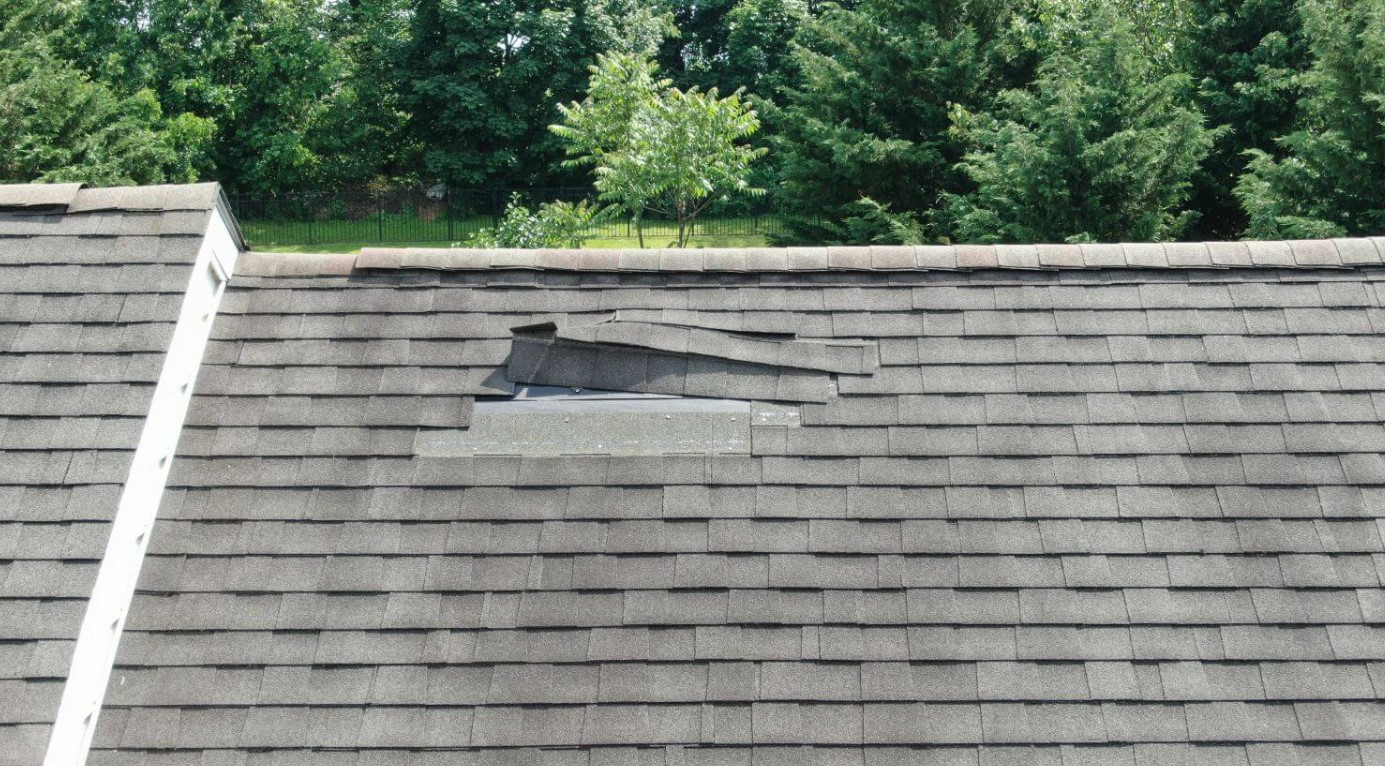
Damaged or Missing Shingles
- Wind removes or loosens shingles
- Water enters exposed areas
This is one of the most common roofing issues in Batesville after storms.
Failing Flashing
- Cracked or loose flashing allows water in
- Common around chimneys and vents
Most leaks we see start in these areas, not the middle of the roof.
Clogged or Damaged Gutters
- Water backs up at roof edges
- Moisture works under shingles
Poor drainage is a common cause of moisture intrusion signs.
Roof Vent Issues
- Improper sealing allows water entry
- Leaks appear near vent openings
These issues are easy to miss without inspection.
Attic Condensation
- Poor ventilation traps moisture
- Water forms and drips internally
This is often mistaken for a roof leak but still needs correction.
Ice Dams (Seasonal)
- Water backs up under shingles in winter
- Leaks appear during thaw cycles
This is a regional issue tied to colder months.

What the Location of a Ceiling Stain Can Tell You
Where a stain shows up often tells you more than the stain itself.
- Near a chimney or wall: Likely flashing failure
- Near the edge of the ceiling: Possible gutter or drainage issue
- Middle of a room: Could be a roof penetration or decking issue
- Bathroom ceiling: Often ventilation or condensation-related
Homes in Southeast Indiana tend to show these patterns after storms or seasonal shifts. Paying attention to location helps narrow down the cause faster.
How Fast Do Ceiling Stains Get Worse?
Ceiling stains don’t stay the same for long. How fast they spread depends on the cause.
- Active leaks can worsen in a single storm
- Slow leaks may take weeks to show major damage
- Repeated rain accelerates everything
In this area, where storms can stack up quickly, a small issue can turn into a larger repair faster than most homeowners expect. When that happens, knowing the difference between a quick patch and a real fix becomes important, especially when deciding between temporary and permanent emergency roof repair solutions.
What Does It Cost to Fix a Ceiling Leak?
Cost depends on what’s causing the stain.
- Minor issues like flashing or small repairs are typically manageable
- Moderate repairs may involve replacing sections of roofing
- Larger problems can require structural repair or replacement
The key is catching the issue early. The longer moisture intrusion continues, the more expensive the fix becomes.
Quick Comparison: What Your Ceiling Stain Might Mean
This kind of quick breakdown helps connect what you’re seeing to what’s happening above.
Common Mistakes When Addressing Ceiling Water Stains
A lot of damage comes from focusing on the wrong thing.
- Painting over stains instead of fixing the cause
- Ignoring small spots
- Assuming the problem will stop on its own
- Waiting too long after noticing damage
Water problems don’t stay contained. They spread.
When a Ceiling Stain Means You Need a Professional
Some situations call for more than a quick look.
You should bring in a professional when:
- The stain is growing
- Multiple areas are affected
- Water is actively dripping
- The source isn’t clear
This is where a proper inspection saves time and prevents bigger repairs.
What Happens If You Ignore Roof Leak Indicators
Ignoring moisture intrusion signs leads to bigger problems.
- Insulation becomes saturated
- Structural wood weakens
- Mold can develop
- Costs increase over time
Most major repairs start as small issues that weren’t addressed early. Once the problem is fixed, taking steps toward creating a storm-ready roof with the right protective upgrades can help prevent the same type of damage from showing up again.
Deep Dive: What Your Ceiling Stain Reveals About Your Roofing System
Different roofing components handle water in different ways, which is why the type and location of a ceiling stain can point directly to the source of the problem.
Roofing Components and What Their Failures Look Like Inside Your Home
Why This Matters for Ceiling Water Stain Causes
When you’re trying to understand the causes of water stains on your ceiling, the pattern and location of the stain usually tell you more than the stain itself.
Homes in Southeast Indiana deal with a mix of storm activity, humidity, and temperature swings. That combination makes early detection of moisture intrusion signs even more important.
The sooner you connect what you’re seeing to what’s happening on your roof, the easier it is to fix the issue before it turns into something bigger.
How Ladder Lions Roofing Solves Ceiling Water Stain Issues
We’ve been working on roofs in Southeast Indiana since 1990, and we’ve seen how small leaks turn into bigger problems.
Our approach is straightforward:
- Find the true source of the leak
- Inspect the full roofing system
- Recommend the right repair
- Fix the issue the right way
We don’t just cover stains. We solve what caused them.
Ceiling Water Stain & Roof Leak Questions Homeowners Ask Most
When you notice a ceiling stain, questions come up fast. The answers below focus on what those stains mean, how serious they are, and what steps to take next.
What causes water stains on your ceiling?
Water stains on your ceiling are caused by moisture entering your home through the roof or attic. This usually comes from damaged shingles, failing flashing, poor ventilation, or condensation buildup that allows water to soak into drywall.
Are ceiling stains always a sign of a roof leak?
Ceiling stains are often a sign of a roof leak, but they are not always caused by one. Some stains come from attic condensation or ventilation issues, which still indicate moisture intrusion but require a different type of fix.
How serious are water stains on the ceiling?
Water stains on the ceiling can be serious depending on how long they’ve been present. A small stain may point to a minor issue, while a growing or darkening stain often signals ongoing moisture intrusion that needs prompt attention.
Can I just paint over a ceiling water stain?
Painting over a ceiling water stain does not fix the problem. It only hides the visible sign temporarily, and the stain will usually return unless the source of the moisture is properly repaired.
How quickly should I act on a ceiling stain?
You should act on a ceiling stain as soon as you notice it. Early action helps prevent the moisture from spreading and reduces the risk of larger repairs.
Do water stains mean I need a new roof?
Water stains do not always mean you need a new roof. In many cases, targeted repairs can resolve the issue, but widespread damage or an aging roof may require a full roof replacement.
What is the first step in fixing a roof leak?
The first step in fixing a roof leak is identifying the source of the moisture. A professional estimate helps locate the problem accurately and determine the right repair approach.
Final Thoughts: Ceiling Stains Are Early Warnings You Shouldn’t Ignore
Ceiling stains don’t fix themselves. They’re early warning signs that something up top needs attention, and the sooner you deal with it, the simpler the solution usually is.
At Ladder Lions Roofing, we’ve been solving these problems the right way since 1990. No guesswork, no shortcuts. Just honest answers and solid work you can count on.
If you’ve noticed a stain, let’s take a look before it turns into something bigger. Schedule your free estimate today.
Recent Articles
Commercial Roofing
Commercial Roof Maintenance: A Practical Guide for Building Owners
September 22, 2026
Residential Roofing
The Platinum Standard: Why Shingle Manufacturer Certifications Control the Life of Your Roof Warranty
September 15, 2026

Residential Roofing
GAF vs Owens Corning Shingles: An Honest Comparison
September 15, 2026

Commercial Gutters
Commercial Gutter Overload: Avoiding Building Erosion and Foundation Damage During August Storms
August 17, 2026