.png)
How to Create a Storm-Ready Roof: Protective Upgrades That Matter Most
May 1, 2026
•
Written By
Ladder Lions Roofing
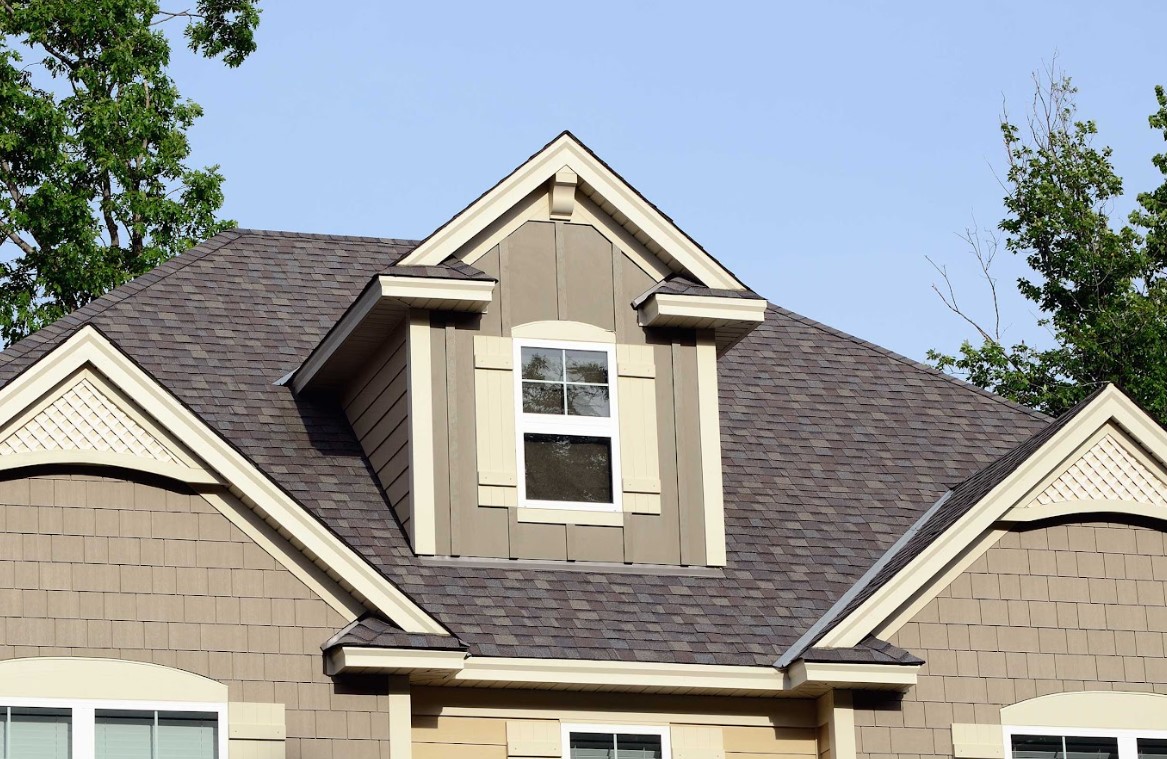
A storm-ready roof is built by reinforcing the parts that fail first in high wind and heavy rain. Creating a storm-ready roof means strengthening decking, sealing vulnerable areas, upgrading materials, and improving drainage. In Southeast Indiana, these protective upgrades matter most because fast-moving storms can expose weak points quickly and lead to costly damage if they’re not addressed ahead of time.
Around here, storms don’t give you much warning. A calm afternoon can turn into wind, rain, and flying debris before you’ve finished dinner. That’s why learning how to create a storm-ready roof isn’t about overbuilding. It’s about focusing on the protective upgrades that matter most and making sure your roof is ready before the weather tests it.
This guide stays centered on that idea from start to finish.
What you’ll learn:
- Which protective upgrades actually make a roof storm-ready
- How to reinforce your roof without wasting money on the wrong fixes
- What severe weather exposes first and how to prepare for it
- What matters most for storm-ready roofing in Batesville and across Southeast Indiana
If you’re not sure where your roof stands today, Ladder Lions Roofing can help. A clear, honest estimate gives you a starting point without any guesswork.
Why Creating a Storm-Ready Roof Matters in Southeast Indiana
To understand how to create a storm-ready roof, you first have to understand what storms actually do to a roof system. Wind doesn’t just hit the surface. It gets underneath edges, pulls at weak fasteners, and exposes anything that isn’t properly sealed. Rain follows those openings, and once water gets in, damage spreads quickly.
In Southeast Indiana, this process is made worse by:
- Strong wind gusts across open land
- Heavy, fast-moving rain systems
- Occasional hail impact
- Freeze-thaw cycles that loosen materials over time
Creating a storm-ready roof means building a system that can handle all of that at once. That’s why the focus isn’t just on shingles. It’s on reinforcing every layer that protects your home.
The system that matters most includes:
- Decking: The structural base that must stay solid under pressure
- Underlayment: The barrier that stops water when shingles are compromised
- Flashing: The seals that protect transitions and joints
- Drainage: The system that moves water off your roof efficiently
If any one of these fails, the rest of the system is exposed. That’s why the protective upgrades that matter most are the ones that strengthen these exact areas.
What to Know Before You Start Creating a Storm-Ready Roof
Before you start adding upgrades, it helps to step back and look at your roof as a whole. Creating a storm-ready roof isn’t about adding random improvements. It’s about making the right upgrades in the right order.
Budget and Priorities
The goal isn’t to spend the most money. It’s to focus on the upgrades that provide real protection. In many cases, creating a storm-ready roof means improving key weak points instead of replacing everything at once.
Roof Condition and Age
If your roof is nearing the end of its lifespan, protective upgrades may only be a short-term solution. In that situation, building a storm-ready roof often means replacing it correctly so every layer is built to handle severe weather from day one.
Permits and Local Requirements
Most structural upgrades must meet local building standards. These codes are designed around real weather conditions, so following them plays a direct role in creating a storm-ready roof.
Material Compatibility
Every component must work together. A storm-ready roof performs well because the materials are designed to function as a system, not as individual parts.
Insurance and Risk Awareness
While insurance covers damage, it doesn’t prevent it. Creating a storm-ready roof is about reducing risk before a claim is ever needed.
Roof Reinforcement Tips That Matter Most for Storm-Ready Performance
When it comes to how to create a storm-ready roof, the focus should always be on the upgrades that prevent failure under stress. These roof reinforcement tips are the ones that actually make a difference when severe weather hits.
Reinforce the Roof Decking to Support the Entire System
Creating a storm-ready roof starts with the structure underneath. If the decking is weak, everything above it is at risk.
- Replace soft or damaged wood
- Use fastening methods designed to resist uplift
Storm damage often starts when the structure gives way. Strengthening this layer is one of the most important protective upgrades you can make.
Upgrade the Underlayment to Stop Water Intrusion
A storm-ready roof isn’t just about keeping shingles in place. It’s about stopping water when something fails.
- Install synthetic underlayment for better durability
- Add waterproof barriers in valleys and edges
When creating a storm-ready roof, this layer acts as your backup plan. If wind damages the surface, this is what protects your home.
Secure Roof Edges to Prevent Wind Entry
Wind doesn’t need a large opening. It only needs a starting point.
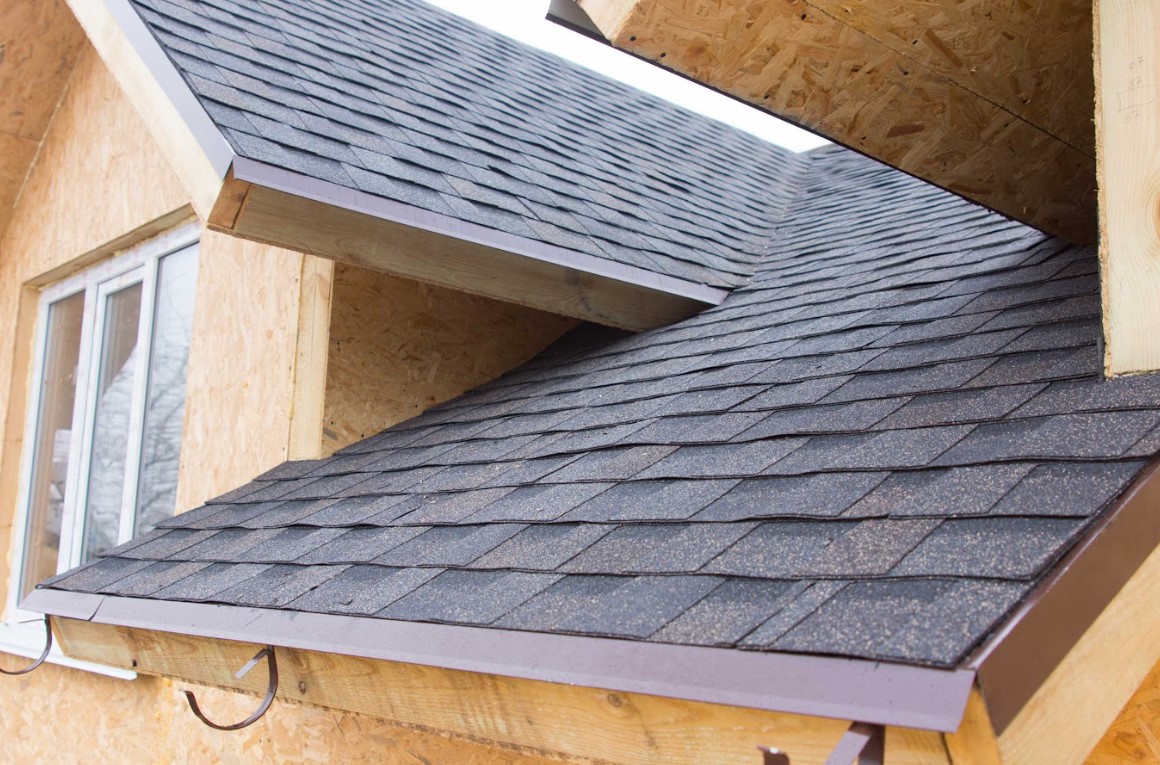
- Install metal drip edges along all roof edges
- Ensure proper overlap and fastening
These small details are some of the most important protective upgrades because they stop problems before they start.
Strengthen Flashing Around Vulnerable Areas
Flashing protects the points where different parts of the roof meet.
- Replace aging or damaged flashing
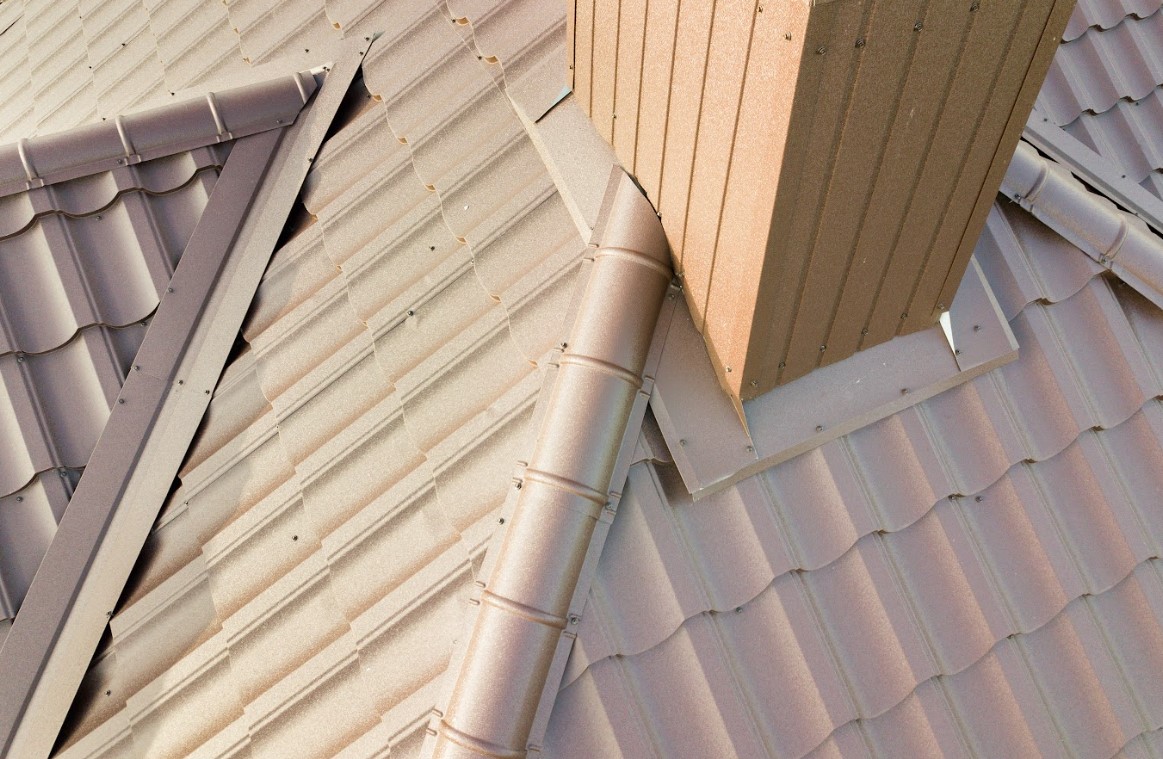
- Seal around vents, chimneys, and skylights
Most leaks don’t start in the middle of the roof. They start at these transitions. Reinforcing them is essential when creating a storm-ready roof.
Install High-Wind Rated Shingles as the First Line of Defense
Shingles take the initial impact from wind and debris.
- Choose shingles rated for high wind resistance
- Follow proper installation patterns
The effectiveness of this upgrade depends just as much on installation as it does on the product itself.
Improve Ventilation to Maintain Long-Term Strength
A storm-ready roof isn’t just about immediate protection. It’s about long-term performance.
- Balance airflow through intake and exhaust
- Reduce moisture and heat buildup
Without proper ventilation, materials weaken over time, making them more vulnerable during storms.
Reinforce Gutters and Drainage to Control Water Flow
Water management is part of storm preparation.
- Secure gutters so they stay in place during heavy rain
- Ensure proper slope and drainage
Creating a storm-ready roof means making sure water leaves your roof as quickly as possible.
Quick Storm-Ready Roof Checklist
If you want a simple way to evaluate your progress, this checklist ties directly back to the protective upgrades that matter most:
- Decking is solid and properly secured
- Underlayment provides reliable water protection
- Flashing is sealed at all transitions
- Shingles are rated for local wind conditions
- Drainage systems move water away efficiently
Each of these points connects directly to how to create a storm-ready roof that holds up under pressure.
Common Mistakes That Undermine a Storm-Ready Roof
Creating a storm-ready roof isn’t complicated, but it does require attention to detail. These mistakes often undo the protective upgrades homeowners try to make.
- Focusing only on surface materials instead of the full system
- Ignoring small issues that turn into major failures
- Choosing materials that don’t match local conditions
- Prioritizing cost over workmanship
Avoiding these mistakes is just as important as choosing the right upgrades.
What Happens When You Skip Storm-Ready Upgrades
When a roof isn’t properly prepared, storms don’t just cause surface damage. They expose every weakness in the system.
- Wind lifts shingles and creates entry points
- Water penetrates through unsealed areas
- Structural components begin to deteriorate
- Interior damage spreads quickly
Most homeowners don’t think about creating a storm-ready roof until after this happens. At that point, the focus shifts from prevention to repair, and costs increase.
Deep Dive: Materials That Support a Storm-Ready Roof
Choosing the right materials plays a major role in how to create a storm-ready roof. But materials only perform as well as the system they’re part of. The goal isn’t to pick the most expensive option. It’s to choose materials that hold up under real conditions in Southeast Indiana.
Roofing Material Comparison for Storm-Ready Performance
Underlayment Options That Impact Storm Protection
What This Means for Homes in Southeast Indiana
Creating a storm-ready roof isn’t just about picking materials from a list. It’s about choosing options that match local conditions.
In this area:
- Wind moves fast across open land
- Tree debris increases impact risk
- Temperature swings put stress on roofing systems
That’s why the protective upgrades that matter most are the ones that strengthen the entire system, not just the surface. The right materials help, but proper roof installation and system design are what make a roof truly storm-ready.
What Do Storm-Ready Roof Upgrades Typically Cost?
Cost is always part of the conversation when creating a storm-ready roof, but the focus should stay on value.
- Smaller upgrades like flashing or drainage improvements are often manageable
- Larger upgrades are usually handled during replacement
- The best approach is addressing multiple weak points at once
Creating a storm-ready roof isn’t about spending more. It’s about investing in the upgrades that actually protect your home.
How Ladder Lions Roofing Helps You Create a Storm-Ready Roof
Creating a storm-ready roof takes more than materials. It takes experience, planning, and attention to detail.
Ladder Lions Roofing has been serving Southeast Indiana since 1990, and that experience shows in how we approach each project.
- Quote: A clear, honest estimate
- Consult: Practical guidance based on your roof
- Install: Skilled crews focused on doing the job right
- Final Walk Through: Making sure everything meets expectations
- Ongoing Support: Standing behind the work
As an Owens Corning Platinum Preferred Contractor and GAF Master Elite contractor, we focus on the protective upgrades that matter most, not unnecessary add-ons.
Storm-Ready Roof Questions Homeowners Ask Before Severe Weather Hits
Before a storm rolls in, most homeowners want clear answers. If you’re thinking about how to create a storm-ready roof, these questions come up again and again.
What does it mean to create a storm-ready roof?
Creating a storm-ready roof means reinforcing your roof system to handle wind, rain, and temperature changes. This includes strengthening the structure, sealing vulnerable areas, and improving drainage so the system performs during severe weather.
What is the most important upgrade for severe weather roof prep?
The most important upgrade for severe weather roof prep is improving underlayment and installation quality. A strong secondary barrier and proper installation prevent water intrusion when shingles are damaged.
Can I reinforce my roof without replacing it?
Yes, you can reinforce your roof without replacing it by addressing weak areas. Improvements like flashing repair, ventilation upgrades, and better drainage can significantly strengthen performance.
How long should a storm-ready roof last in this area?
A storm-ready roof in Southeast Indiana typically lasts 20–30 years depending on materials and installation quality. Consistent maintenance also helps extend its lifespan.
When should I start preparing my roof for severe weather?
You should start preparing your roof for severe weather before storm season or as soon as signs of wear appear. Early action reduces the risk of major damage.
Do gutters really affect storm readiness?
Yes, gutters affect storm readiness by directing water away from your roof. Proper drainage prevents water from backing up and damaging the structure.
What’s the first step in creating a storm-ready roof?
The first step in creating a storm-ready roof is getting a professional estimate. This helps identify weak points and prioritize the upgrades that matter most.
Final Thoughts: Creating a Storm-Ready Roof Starts with the Right Upgrades
Creating a storm-ready roof comes down to focusing on the protective upgrades that matter most. Reinforcing weak points, choosing the right materials, and installing everything correctly makes all the difference when storms hit.
Ladder Lions Roofing brings decades of experience, strong workmanship, and a commitment to doing honest work for the community.
If your roof hasn’t been checked in a while, now’s a good time. Schedule your free estimate today.
Recent Articles
Commercial Roofing
Commercial Roof Maintenance: A Practical Guide for Building Owners
September 22, 2026
Residential Roofing
The Platinum Standard: Why Shingle Manufacturer Certifications Control the Life of Your Roof Warranty
September 15, 2026
Residential Roofing
GAF vs Owens Corning Shingles: An Honest Comparison
September 15, 2026
Commercial Gutters
Commercial Gutter Overload: Avoiding Building Erosion and Foundation Damage During August Storms
August 17, 2026