.png)
The Truth About Downspout Positioning: How It Protects Your Roof and Foundation in Batesville
March 4, 2026
•
Written By
Ladder Lions Roofing
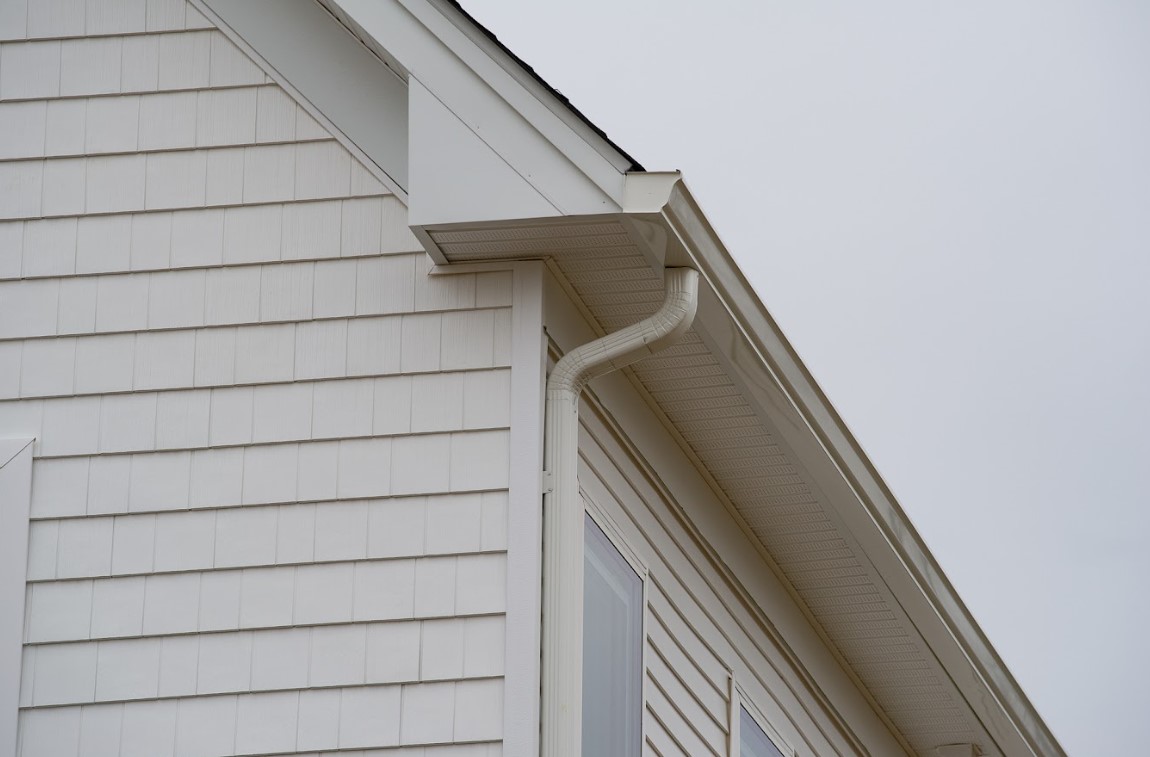
If you want the honest truth about downspout positioning, here it is.
Where your downspouts send water matters more than most homeowners realize. When water isn’t carried far enough away from your home, it slowly works against both your roof and your foundation. And here in Batesville, with the kind of rain and winter freeze-thaw cycles we see, that small detail makes a big difference.
A proper water drainage roofing system should move rain from your shingles to your gutters, through your downspouts, and at least 4 to 6 feet away from your foundation. That’s not overkill. That’s foundation protection done right.
In this guide, we’ll walk through:
- The real impact of downspout positioning on roof life
- How poor drainage stresses your foundation
- The common mistakes we see around Batesville
- How to evaluate your own system
- When simple fixes are enough and when they’re not
If you’re not sure your current setup is protecting your home the way it should, Ladder Lions Roofing can take a look and give you a straight answer.
Why Downspout Positioning Matters in Southeast Indiana
Around Batesville, we get over 45 inches of rain each year. Some of it comes down steady. Some of it comes down sideways. Then winter rolls in, freezes everything, thaws it, and freezes it again.
That cycle puts real stress on your water drainage roofing system.
Your roof is built to shed water. Your gutters are built to collect it. But downspout positioning is what determines whether that water actually leaves your home safely or sits right where it can cause damage.
When downspouts dump water too close to the house, you start to see:
- Soil erosion near the foundation
- Pressure against basement walls
- Rot along fascia boards
- Shingle wear at the roof edge
- Ice buildup in winter
That’s why foundation protection doesn’t start at the basement wall. It starts at the roofline, with how water exits your system.
The Truth Most Homeowners Don’t Hear
Let’s clear up a few things.
A lot of folks assume if water is coming out of the downspout, everything is fine. But the truth about downspout positioning is not just about movement. It’s about direction and distance.
Myth 1: Splash blocks solve everything
Splash blocks help, but during heavy rainfall in Batesville, they often don’t move water far enough for real foundation protection.
Myth 2: A dry basement means you’re in the clear
Foundation stress builds over time. You won’t always see it right away.
Myth 3: Gutters alone protect your home
Without proper downspout positioning, even a well-installed gutter system can’t fully support your water drainage roofing setup.
The small details are what protect the big things.
Understanding the Basics of Water Drainage Roofing
Before you evaluate your system, it helps to understand how everything works together.
Downspout positioning
This refers to where and how water exits your gutter system and how far it travels away from your home.
Water drainage roofing system
The full path water takes from shingles to safe discharge.
Foundation protection
Preventing soil saturation and structural pressure around your home’s base.
When these three work together, your home stays stable. When they don’t, problems start quietly.
How to Check Your Downspout Positioning in 10 Minutes
If you want to know whether your current setup is doing its job, here’s a simple walkthrough.
- Count your downspouts. You should generally have one for every 30 to 40 feet of gutter.
- Measure how far they extend. Water should discharge at least 4 to 6 feet from the foundation.
- Check the slope of the ground. It should angle away from your home.
- Watch during the next rain. Look for pooling or overflow.
If water gathers near the house, your downspout positioning may not be providing the foundation protection you need.
Gutter Capacity and Downspout Positioning Work Together
Now here’s something we see often in Batesville.
Homeowners fix their downspout placement but still have overflow. Why? Because the gutter system is undersized.
Most homes use 5-inch gutters. Larger roofs or steep pitches sometimes need 6-inch systems. If the gutters can’t handle the volume, water spills over before it even reaches the downspout.
And when that happens, your water drainage roofing system can’t fully protect the roof edge or the foundation below.
Proper downspout positioning only works when the whole system is sized correctly.
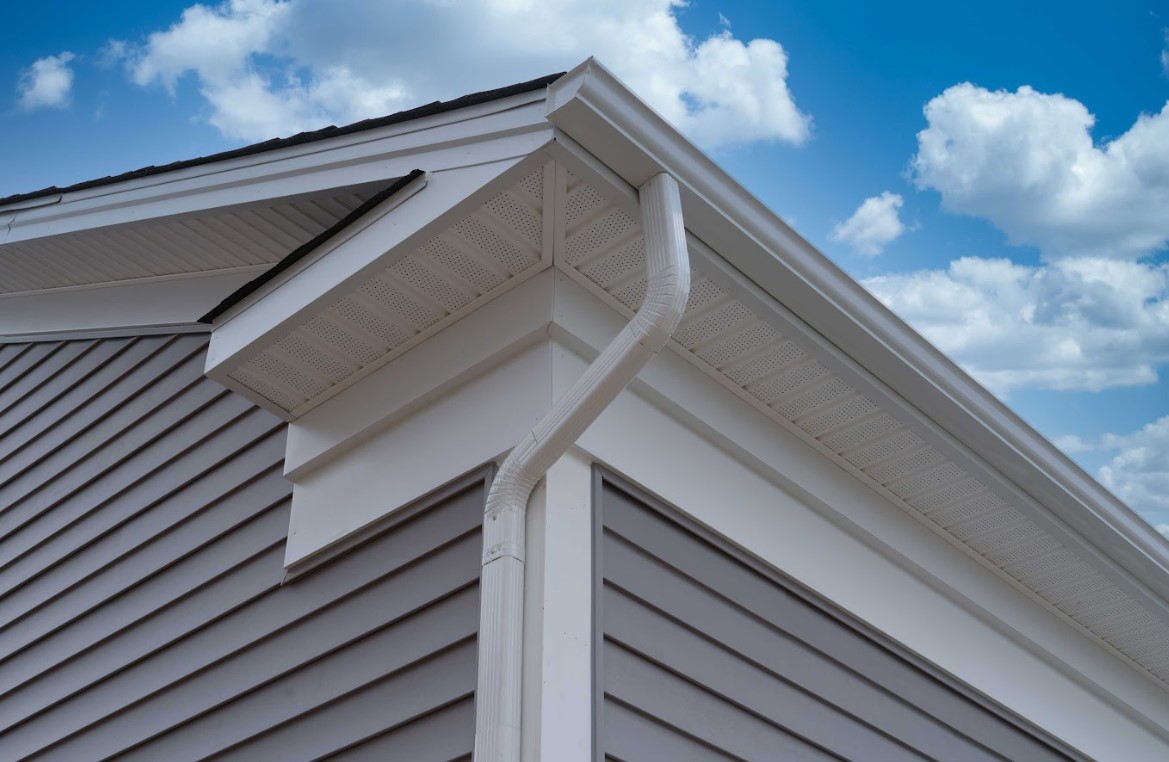
Step-by-Step: How Proper Downspout Positioning Protects Your Roof and Foundation
Now let’s bring it together.
Step 1: Proper Gutter Pitch
Gutters must slope slightly toward the downspouts so water doesn’t sit along the eaves.
Step 2: Adequate Downspout Coverage
Enough exit points prevent bottlenecks and overflow.
Step 3: Correct Discharge Distance
Extending water at least 4 to 6 feet away reduces soil saturation and supports long-term foundation protection.
Step 4: Roof-to-Gutter Integration
Drip edges, flashing, and valleys must guide water cleanly into the system so downspout positioning can do its job.
When these steps are followed, your roof lasts longer and your foundation stays stronger.
Winter in Batesville: Where Drainage Really Shows Up
Freeze-thaw cycles expose weak spots fast.
If downspouts are clogged or poorly positioned, water backs up. That water freezes at the roof edge and forms ice dams.
Ice dams trap moisture under shingles, shorten roof life, and increase interior repair risks.
Proper downspout positioning keeps water moving, which supports both your water drainage roofing system and foundation protection year-round.
The Cost Truth
Let’s be practical.
Adjusting downspout positioning or adding extensions is far less expensive than repairing foundation cracks or replacing rotted roof decking.
Small preventative work now protects the structure later. That’s the honest math behind proper foundation protection.
Advanced Drainage Solutions for Higher-Risk Properties
Some homes in Batesville sit lower or deal with heavy runoff from large roof planes.
In those cases, foundation protection may require:
- Underground drain lines
- French drains
- Catch basins
- Larger-capacity gutter systems
All of these still tie back to the same goal. Move water away efficiently so the roof and foundation stay protected.
How Proper Drainage Protects Property Value
Inspectors often look at grading, gutter condition, and downspout positioning during a sale.
Visible erosion, foundation cracks, or roof edge damage raise red flags.
When your water drainage roofing system is functioning properly, it shows care and preventative maintenance. That protects resale value and buyer confidence.
When It’s Time for a Professional Evaluation
You should consider an inspection if you notice:
- Foundation cracks
- Persistent dampness
- Soil erosion near discharge points
- Repeated ice buildup at the eaves
- Gutters separating from the fascia
These are signs your downspout positioning may not be fully protecting your roof and foundation.
With over 35 years serving Batesville and Southeast Indiana, we understand how local weather and soil affect drainage systems. We look at the entire water drainage roofing setup, not just one pipe.
Downspout Positioning and Foundation Protection FAQs for Homeowners in Batesville
If you still have questions about how downspout positioning affects your roof and foundation, you’re not alone. Below are the most common questions we hear from homeowners in Batesville about water drainage roofing and long-term foundation protection.
How far should downspouts extend for proper foundation protection?
Downspouts should extend at least 4 to 6 feet away from your foundation for proper foundation protection. This distance helps prevent soil saturation and reduces hydrostatic pressure against your basement walls. In areas like Batesville with heavy rainfall and clay soil, that extra distance makes a measurable difference.
Can poor downspout positioning shorten the life of my roof?
Yes, poor downspout positioning can shorten the life of your roof. When water backs up due to improper drainage, it increases moisture exposure at the roof edge, which can lead to fascia rot, shingle damage, and ice dams. A properly functioning water drainage roofing system protects the roof from premature deterioration.
Does soil type in Batesville affect foundation protection?
Yes, soil type in Batesville directly affects foundation protection. Clay-heavy soil expands when wet and shrinks when dry, increasing pressure on foundation walls when drainage is poor. Proper downspout positioning reduces repeated soil saturation and helps stabilize the area around your home.
Do larger gutters improve water drainage roofing performance?
Yes, larger gutters can improve water drainage roofing performance when roof size and pitch demand higher capacity. If gutters are undersized, water can overflow before reaching the downspouts, which undermines proper drainage and foundation protection. The system must be sized correctly for downspout positioning to work effectively.
Will better downspout positioning help prevent ice dams?
Yes, better downspout positioning can help reduce the risk of ice dams. When water flows freely through the system and away from the home, there is less chance of backup and freezing at the roof edge. In freeze-thaw winters common in Batesville, consistent drainage plays an important role in roof protection.
How do I know if my downspout positioning is causing foundation issues?
You can tell downspout positioning may be causing foundation issues if you see pooling water, soil erosion, foundation cracks, or basement dampness. These signs suggest water is not being directed far enough away from the structure. Evaluating your full water drainage roofing system can confirm whether adjustments are needed.
Protecting Your Roof and Foundation Starts with Proper Downspout Positioning
The truth about downspout positioning is simple.
When water is directed safely away from your home, your water drainage roofing system performs the way it should, and your foundation protection improves naturally. When water lingers near the structure, problems build slowly.
Downspouts aren’t glamorous. But they’re hardworking parts of your home that protect everything else.
If you want to make sure yours are doing that job properly, schedule your free inspection today.
Recent Articles
Commercial Roofing
Commercial Roof Maintenance: A Practical Guide for Building Owners
September 22, 2026
Residential Roofing
The Platinum Standard: Why Shingle Manufacturer Certifications Control the Life of Your Roof Warranty
September 15, 2026
Residential Roofing
GAF vs Owens Corning Shingles: An Honest Comparison
September 15, 2026
Commercial Gutters
Commercial Gutter Overload: Avoiding Building Erosion and Foundation Damage During August Storms
August 17, 2026