.png)
How Attic Ventilation Impacts Your Roof More Than You Think
January 7, 2026
•
Written By
Ladder Lions Roofing
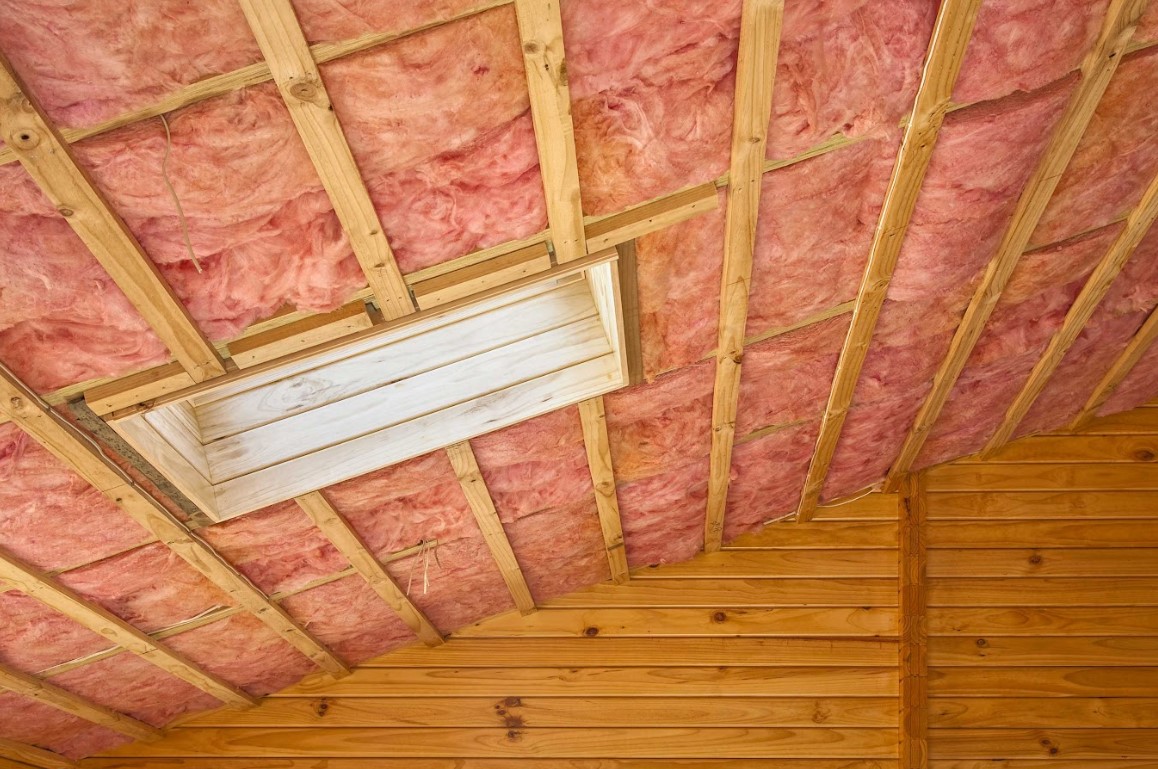
The Most Important Part of Your Roof Might Be the Part You’ve Never Seen
If you’ve lived in Indiana long enough, you’ve probably seen your fair share of roofs take a beating—curled shingles, ice dams, attic mold, and that mysterious drip that shows up in the guest bedroom every spring.
But here’s something most folks don’t realize: a lot of those problems don’t start outside.
They start in your attic.
Now, I know. The attic is that part of the house you crawl into once a year to grab a box of Christmas lights or stash an old bed frame you’ll probably never use again. But up there—in the dark, dusty corners above your ceiling—there’s a whole system of air movement that either helps your roof last longer… or slowly takes it apart.
So today we’re talking about attic ventilation. Specifically, why it matters more than you think, how it affects your roof (and your wallet), and what to look for before small issues become expensive ones.
What This Blog Covers
- What “attic ventilation” actually means (no jargon, just facts)
- The real-world benefits of airflow in your roofing system (aka- attic ventilation benefits)
- Common roof ventilation issues we see right here in Aurora
- Signs your attic isn’t breathing the way it should
- Why moisture control starts inside your home, not on the roof
- What we do at Ladder Lions Roofing to fix airflow before it breaks the roof
If something about your roof or attic feels off, schedule a free inspection. We’ll take a look, explain what’s going on, and give it to you straight—no fluff.
Attic Ventilation 101 — and Why It Matters in Southeast Indiana
Here’s the short version: ventilation is how your attic breathes. It pulls fresh air in (usually through soffit vents under the eaves) and pushes warm, moist air out (through ridge or gable vents). It’s not a fancy system. But when it’s done right, it keeps your roof dry, cool, and steady.
When it’s done wrong? You get heat buildup, condensation, mold, wood rot, and shingles that don’t last nearly as long as they should.
And in a place like Aurora, where we see 90-degree days in the summer and single-digit temps in winter, that balance matters. A lot.
Think about it like this:
Your attic sits between your heated home and the unfiltered chaos of Indiana weather. If it traps hot air, that heat cooks your roof from the inside. If it traps moisture, that water sits on your wood like a sponge. Good airflow moves that heat and humidity out—so your roof stays dry, your house stays efficient, and you’re not footing a bigger bill later.
Before You Blame the Roof, Check the Attic
Before you call us for a quote—or worse, panic order new shingles—do yourself a favor: check the attic. Not just for leaks. For signs the airflow isn’t doing its job.
Here’s what to look for:
- Soffit vents covered by insulation (happens all the time during winter “upgrades”)
- Ridge vents that aren’t venting at all (sealed shut by paint or debris)
- Signs of condensation—rusty nails, musty smells, dark patches on the wood
- Mold spots on insulation or wet insulation that never quite dries out
- A temperature difference that feels like stepping into a furnace
If your attic feels like a steam room in the summer or smells like a gym locker in the winter… yeah, something’s wrong.
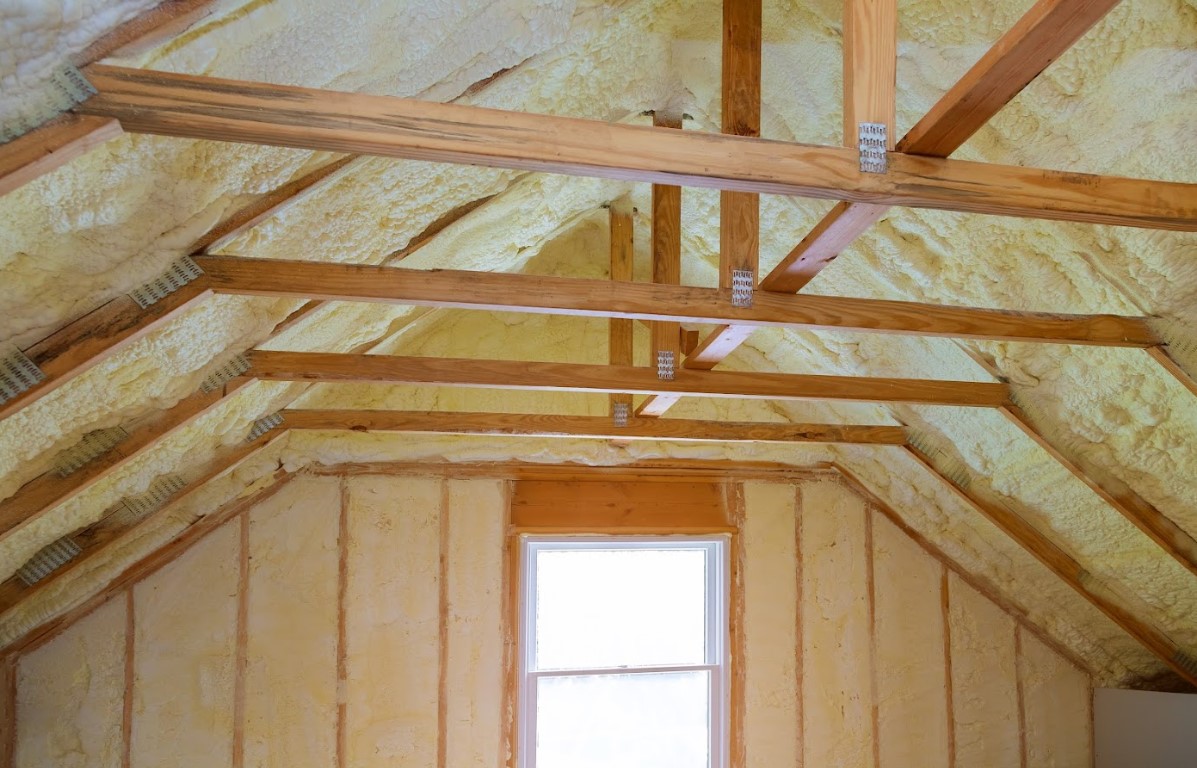
5 Ways Attic Ventilation Protects Your Roof (and Your Home)
This isn’t just about making your attic more comfortable. This is about preserving the integrity of the most important structure protecting your house: your roof.
Here’s what proper ventilation actually does for you:
1. It Keeps Shingles From Premature Aging
Your shingles aren’t just fighting the sun—they’re also fighting heat from below if your attic traps warmth. That double-duty makes them curl, crack, and shed granules faster. Good airflow releases that trapped heat.
2. It Helps Prevent Ice Dams in Winter
If warm air gets trapped under your roof in winter, it melts snow from underneath. That water runs to the edge, refreezes, and builds an ice dam. Next thing you know, water backs up under your shingles and into your attic. Balanced airflow helps keep roof temperatures even.
3. It Protects the Roof Deck From Moisture Damage
Moist air from inside your house rises and settles in the attic if it’s got nowhere to go. Over time, that moisture soaks into the wood, causes mold, and softens the very boards holding up your shingles. Ventilation carries that vapor out before it causes damage.
4. It Makes Your HVAC System’s Job Easier
An attic that breathes stays cooler in summer and drier in winter. That keeps your HVAC system from working harder than it should—especially on the second floor. And yes, that shows up on your energy bill.
5. It Keeps You Within Code and Under Warranty
Roof warranties often require specific ventilation ratios. If your attic doesn’t meet those specs, you could void the warranty without realizing it. Local building codes in Aurora also factor in ventilation when permitting roof work.
How Ladder Lions Roofing Handles Roof Ventilation (The Right Way)
We’ve seen what happens when ventilation is ignored—and we’re not interested in “good enough.” Whether we’re doing a full install or just a repair, attic airflow is part of the job.
Here’s how we approach it:
We also check the attic itself—insulation placement, airflow blockages, mold risk, and moisture levels. Because your attic is part of your roof system, whether it’s visible or not.
Common Attic Ventilation Questions from Aurora Homeowners
A lot of folks around Aurora don’t think twice about attic airflow—until the upstairs feels like a furnace, the energy bill jumps, or the roof starts misbehaving. If that sounds familiar, here are some of the most common ventilation questions we get from your neighbors, with real answers.
Can poor attic ventilation cause roof leaks?
Yes, poor attic ventilation can lead to roof leaks. When warm, moist air builds up inside your attic, it can soak into the roof decking, rot wood, and weaken the structure. Over time, this creates soft spots and opens the door for water intrusion.
Do attic fans help with ventilation?
Attic fans can help with ventilation, but only when they’re part of a balanced system. If not sized or placed properly, they can actually pull conditioned air from inside your home instead of circulating attic air, which ends up raising your energy bills.
How do I know if my attic has enough ventilation?
You know your attic has enough ventilation if it stays close to outdoor temperature year-round and shows no signs of moisture buildup. A professional can measure your venting system and check for blockages, mold, or airflow issues.
Is attic ventilation required by code in Aurora?
Yes, attic ventilation is required by building code in Aurora and throughout Southeast Indiana. Most codes require 1 square foot of ventilation for every 150 square feet of attic space. Skipping this step could impact inspections, insurance, and even warranties.
Can better attic ventilation lower my utility bills?
Yes, improving attic ventilation can lower your utility bills. Proper airflow keeps attic temperatures in check, reducing the strain on your HVAC system and helping maintain a more comfortable indoor temperature.
Is fixing attic ventilation expensive?
No, fixing attic ventilation is usually more affordable than you’d think. It often involves clearing blocked vents, adding baffles, or installing a few missing components—not a full roof replacement. We include ventilation assessments in every inspection.
Final Thoughts: Your Attic and Roof Should Work Together—Not Against Each Other
The attic isn’t glamorous. Nobody brags about great airflow at a dinner party. But your roof sure notices when things aren’t working right.
We’ve spent decades climbing into attics, crawling under eaves, and fixing problems people didn’t know they had. And what we’ve learned is this: roofing isn’t just about shingles. It’s about the whole system. And if your attic can’t breathe, your roof won’t last.
At Ladder Lions Roofing, we don’t just patch problems. We solve them—at the root. Because the homes we work on? They’re our neighbors’. They’re the same homes we drive past on the way to Little League games or grocery runs.
So if you’re wondering whether your attic is helping your roof or hurting it—don’t guess.
Schedule your free inspection today or give us a call at (812) 932‑0506. We’ll show up, climb up, and tell you the truth—plain and simple.
Recent Articles
Commercial Roofing
Commercial Roof Maintenance: A Practical Guide for Building Owners
September 22, 2026
Residential Roofing
The Platinum Standard: Why Shingle Manufacturer Certifications Control the Life of Your Roof Warranty
September 15, 2026
Residential Roofing
GAF vs Owens Corning Shingles: An Honest Comparison
September 15, 2026
Commercial Gutters
Commercial Gutter Overload: Avoiding Building Erosion and Foundation Damage During August Storms
August 17, 2026