.png)
The Home Value Connection: How a New Roof Impacts Appraisal & Resale
June 4, 2026
•
Written By
Ladder Lions Roofing

A new roof can influence far more than curb appeal. It can affect buyer confidence, inspection results, insurance conversations, financing concerns, and how appraisers view the overall condition of a home. Understanding the connection between roof and home value helps homeowners decide whether roof replacement makes sense before selling, refinancing, or preparing for a future appraisal.
You can usually tell when a home has been well cared for before you even reach the front door. Straight rooflines, clean edges, and shingles that aren’t curling up like old potato chips all send a message. Buyers notice. Appraisers notice. Inspectors definitely notice.
That’s why more homeowners are asking how roof and home value connect, whether roof replacement improves resale value, and how property appraisal roofing concerns can affect a sale in the Batesville-area market.
The short answer is yes, a newer roof can help. But it does not work like magic. A roof’s real value often comes from reducing buyer hesitation, limiting inspection problems, and making the home feel safer, stronger, and better maintained.
Here’s what you’ll learn:
- How roofing condition affects appraisal and resale
- Why buyers pay close attention to aging roofs
- How a new roof can support resale value
- When roof replacement helps protect the asking price
- Which roofing upgrades matter most before selling or refinancing
If you’re trying to decide whether your current roof could affect your home’s value, Ladder Lions Roofing can help you get a clear, honest estimate before buyers or appraisers start asking questions.
Why Roof Condition Matters for Appraisal and Resale
When homeowners think about resale value, they often think about kitchens, bathrooms, flooring, and paint. Those things matter, sure. But the roof carries a different kind of weight because it protects everything underneath it.
A roof in poor condition can raise questions fast. Buyers may wonder whether leaks are hiding behind fresh paint. Inspectors may flag worn shingles, ventilation concerns, or signs of storm damage. Appraisers may note deferred maintenance as part of the home’s overall condition.
In Southeast Indiana, roofs deal with plenty:
- Wind exposure
- Heavy rain
- Humid summers
- Freeze-thaw cycles
- Storm-related wear over time
That kind of weather takes a toll. So when buyers see an aging roof, they often see future expense. When appraisers see one, they may see a condition issue. Either way, the roof becomes part of the value conversation.
Roof Condition Shapes Buyer Confidence Before the Offer
Most buyers are not roofing experts, but they know enough to be cautious. If the roof looks worn, stained, uneven, or near the end of its life, buyers start doing math in their heads.
They may ask:
- How soon will this need replaced?
- Could there be hidden water damage?
- Will insurance be harder to get?
- Should we ask for money off the price?
A newer roof changes that conversation. It helps the home feel more move-in ready and less risky. That is one of the biggest roof resale benefits. It does not just make the house look better. It helps buyers feel better about moving forward.
Property Appraisal Roofing Concerns Can Affect the Bigger Picture
Appraisers look at the roof as part of the home’s overall condition. They are not performing the same detailed evaluation as a roofing contractor, but visible roof issues can still matter.
Property appraisal roofing concerns may include:
- Roof age
- Visible wear
- Missing or damaged materials
- Storm damage
- Signs of deferred maintenance
A worn roof may not automatically sink an appraisal, but it can influence how the property is viewed. In a competitive housing market, that matters. Buyers compare homes closely, and a roof that looks tired can make an otherwise strong home feel like it comes with a catch.
What Homeowners Should Know Before Replacing a Roof for Resale
Replacing a roof before selling can be a smart move, but it should be based on the roof’s condition, the local market, and your goals. Not every home needs a full replacement before listing. Sometimes roof repairs are enough. Sometimes replacement is the cleanest way to protect value and reduce negotiation pressure.
Roofing Materials Influence Long-Term Resale Perception
Different roofing materials send different signals to buyers.
Architectural shingles often suggest:
- Updated curb appeal
- Better durability
- A familiar residential look
- Strong overall value
Metal roofing may appeal to buyers who care about:
- Long lifespan
- Storm resistance
- Energy efficiency
- Lower maintenance
The right choice depends on the home, the neighborhood, and what buyers expect in the Batesville area. The goal is not to overspend. The goal is to choose roofing improvements for resale that make sense for the property.
Documentation Helps Support Value During the Sale
A new roof is more valuable to a buyer when it comes with proof.
Helpful documentation includes:
- Installation records
- Warranty details
- Contractor information
- Material information
- Maintenance records
Those details help buyers understand what was done, when it was done, and who did the work. That kind of clarity can make the sale feel less uncertain.
Timing Affects Roof Replacement and Resale Value
Replacing a roof shortly before selling can improve marketability. Replacing it a few years before selling lets you enjoy the benefits while still improving future resale conversations.
Either way, roof replacement and resale value are most closely connected when the current roof shows visible wear, has known issues, or is likely to come up during inspection.
How a New Roof Can Improve Resale Potential
A new roof does not just sit on top of the house looking pretty. It changes how buyers, inspectors, insurers, and lenders view the property.
A New Roof Improves First Impressions Immediately
The roof is one of the largest visible parts of a home. Buyers may not say much about it at first, but they notice it.
A newer roof can make a home feel:
- Better maintained
- More dependable
- More move-in ready
- Less risky after closing
Two homes can have similar square footage, similar layouts, and similar asking prices. If one has an aging roof and the other has a newer one, buyers often lean toward the home that feels like fewer future problems. That is where roof resale benefits show up in real life.
Roofing Improvements Can Reduce Buyer Hesitation
Buying a home already comes with plenty of expenses. Furniture, appliances, moving costs, paint, flooring. Nobody wants to add “replace the roof” to the list right after closing.
A newer roof can reduce concerns about:
- Immediate repair costs
- Water intrusion
- Storm damage vulnerabilities
- Insurance concerns
- Inspection negotiations
That peace of mind can make buyers more comfortable with the asking price.
Roof Condition Can Influence Insurance and Financing
This part catches some sellers off guard. Older roofs can sometimes create issues with insurance approvals, premiums, or lender requirements.
If a roof appears worn or near the end of its usable life, buyers may run into questions during underwriting or insurance review. That can slow things down.
A newer roof may help remove one more obstacle from the transaction. When the roof looks solid and is properly documented, the home feels easier to insure, finance, and close.
Roofing Condition Can Affect Refinancing Too
Selling is not the only time roof condition matters. Refinancing can also bring the roof into the conversation.
During refinancing, lenders often rely on updated appraisals or property evaluations. If the roof shows obvious wear, storm damage, or deferred maintenance, it can raise concerns about the home’s condition.
In some cases:
- Appraisers may note roofing concerns
- Lenders may request repairs
- Insurance requirements may become part of the process
That does not mean every older roof creates a problem. But if you are refinancing, the roof still plays a role in how the home is evaluated. A solid roofing system helps support confidence in the property.

Energy-Efficient Roofing Upgrades Can Strengthen Resale Appeal
Buyers are paying more attention to operating costs than they used to. A home that looks good but costs a fortune to cool every summer may raise questions.
Energy-efficient roofing upgrades can support resale appeal by helping with:
- Attic heat buildup
- Cooling efficiency
- HVAC strain
- Long-term comfort
Reflective roofing materials, proper ventilation, and well-installed roofing systems can make a home feel more efficient and better cared for. That matters during humid Southeast Indiana summers when cooling systems work hard.
Energy efficiency may not be the only reason a buyer chooses a home, but it can support the bigger value story.
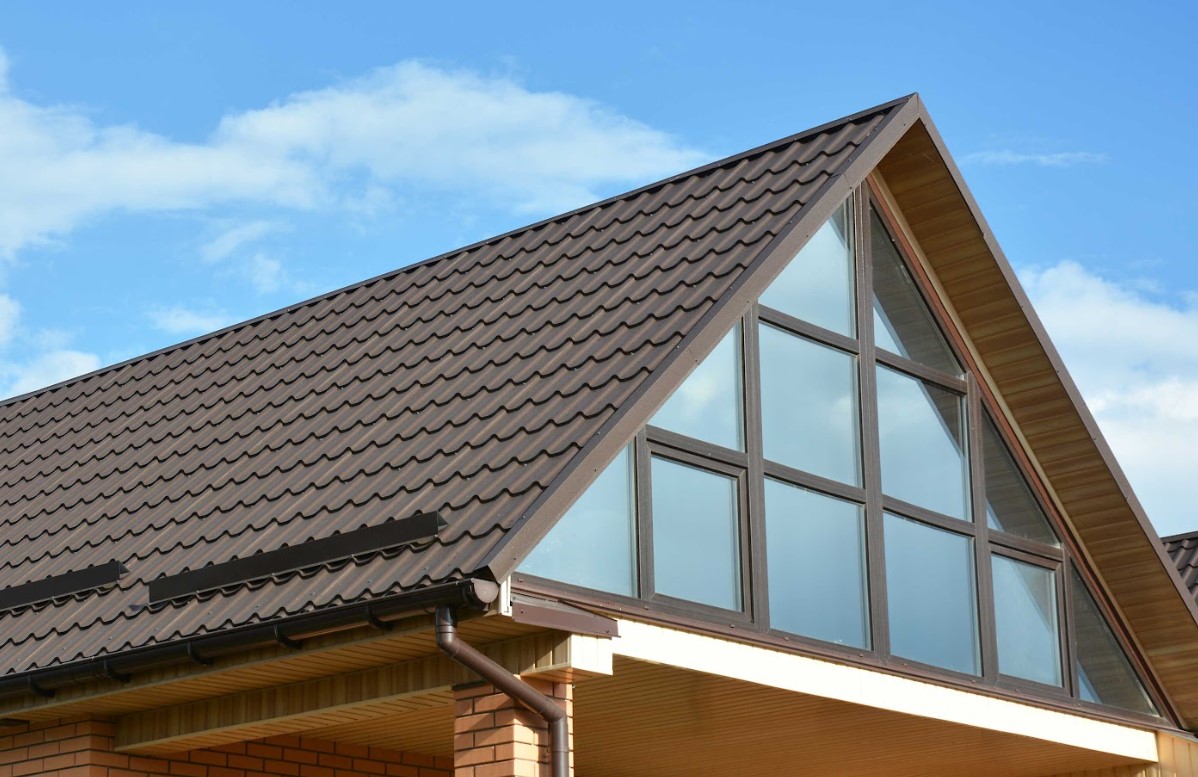
Buyers Notice Appearance While Inspectors Look for Risk
Roofing affects resale in two different ways. Buyers respond emotionally to what they see. Inspectors respond technically to what they find.
Buyers Notice the Visual Condition First
Buyers often notice:
- Staining
- Missing shingles
- Uneven rooflines
- Curling shingles
- General aging
Even small cosmetic issues can make buyers wonder what else has been neglected. That perception can affect offers before anyone gets into the technical details.
Inspectors Look for Problems That Could Cost Money
Inspectors usually look more closely at:
- Flashing condition
- Ventilation
- Moisture intrusion
- Storm damage
- Aging materials
- Previous repairs
Those findings can become negotiation points. A buyer may ask for repairs, credits, or a lower price. That is why roofing improvements for resale can be valuable even when they do not produce a perfect dollar-for-dollar return.
Roof Replacement Often Protects Value More Than It Creates Profit
Here is the honest version. A new roof does not always return every dollar directly through appraisal value. That is not how most home improvements work.
But roofing can protect value in ways that matter.
A newer roof may help:
- Reduce buyer negotiation pressure
- Prevent inspection-related price reductions
- Support stronger buyer confidence
- Improve marketability
- Keep financing and insurance conversations smoother
Sometimes the best return is not a bigger number on paper. Sometimes it is avoiding a lower offer, a delayed closing, or a buyer walking away because the roof looks like trouble.
That is the real connection between roof and home value.
Signs an Aging Roof May Hurt Property Value
Not every older roof needs replaced before selling, but some warning signs can hurt buyer confidence quickly.
Visible Roofing Wear Can Reduce Perceived Value
Buyers often notice:
- Curling shingles
- Missing shingles
- Dark staining
- Sagging areas
- Uneven roof surfaces
- Moss or algae growth
Even when the roof is not actively leaking, visible wear can make the home feel older or less maintained.
Inspection Reports Often Turn Roof Issues Into Negotiation Points
Roofing concerns are common in inspection reports. Once they are written down, they become part of the sale conversation.
Inspectors may flag:
- Aging materials
- Ventilation concerns
- Moisture signs
- Storm-related damage
- Previous repair work
That is why roof and home value in Batesville-area homes often depends on more than age alone. It depends on condition, documentation, and how confidently the roof presents during the sale.
Buyers also tend to respond well to homes with roofing systems designed to better handle severe weather and long-term storm exposure.
Comparing Roofing Materials and Their Long-Term Resale Appeal
Different roofing systems offer different balances of cost, lifespan, curb appeal, and buyer confidence.
| Roofing Material | Lifespan | Buyer Appeal | Long-Term Value |
|---|---|---|---|
| Architectural Shingles | 20–30 years | High | Strong overall value |
| Metal Roofing | 40–70 years | High | Excellent durability |
| Reflective Roofing Systems | Varies | Growing interest | Energy efficiency appeal |
| Aging Three-Tab Shingles | Lower lifespan | Lower appeal | Higher buyer concern |
The right material depends on your home, budget, and resale goals. The best roof is not always the most expensive one. It is the one that fits the house and gives buyers confidence.
Pros and Cons of Replacing a Roof Before Selling
| Pros | Cons |
|---|---|
| Improves curb appeal | Upfront investment required |
| Reduces buyer hesitation | Full ROI varies |
| Supports stronger inspection results | Timing affects value |
| Helps homes compete in the market | Some roofs may still have usable life |
| May reduce insurance concerns | Replacement may not be necessary in every case |
This is where an honest estimate matters. Some homes need a roof replacement before selling. Others may only need targeted repairs. Either way, you want to know before the buyer’s inspector tells you.
How Ladder Lions Roofing Helps Homeowners Protect Property Value
We’ve worked on homes across Southeast Indiana since 1990, and one thing stays pretty consistent. Buyers pay attention to roofs, even when they do not know all the technical details.
That is why our approach focuses on honest evaluations instead of pushing unnecessary replacements.
We help homeowners:
- Assess overall roof condition
- Understand realistic resale considerations
- Compare roofing options
- Decide whether repairs or replacement make more financial sense
Sometimes replacement is the right move before selling. Sometimes repairs and maintenance are enough. The goal is simple. Help homeowners make practical decisions based on the condition of the roof, the local market, and the long-term value of the property.
Roof Replacement and Home Value Questions Homeowners Ask Most
When homeowners prepare to sell or refinance, roofing questions usually show up pretty quickly. These answers explain how roof condition affects resale value, appraisals, and buyer confidence.
Does a new roof increase home value?
A new roof can help increase home value by improving buyer confidence, curb appeal, and overall property condition. While homeowners may not recover every dollar directly, a newer roof often supports stronger resale positioning.
How much value does a roof add to a house?
The value a roof adds to a house depends on the condition of the old roof, local housing demand, and the roofing materials used. In many cases, the biggest value comes through smoother negotiations and stronger buyer confidence.
Will buyers avoid homes with old roofs?
Buyers often become cautious around homes with old roofs because they anticipate future repair costs, leaks, and insurance concerns. An aging roof can create hesitation even when the rest of the home shows well.
Does roof condition affect home appraisal?
Roof condition does affect home appraisal because appraisers evaluate the overall condition of the property, including visible roof wear, roof age, and signs of deferred maintenance.
Are roofing upgrades worth it before selling a home?
Roofing upgrades are often worth considering before selling if the current roof shows visible wear or raises inspection concerns. A newer roof may help the home compete more confidently in the market.
Do insurance companies care about roof age?
Insurance companies do care about roof age because older roofs often carry higher risk for storm damage and leaks. In some cases, roof age can affect coverage options or premiums.
Are energy-efficient roofing systems attractive to buyers?
Energy-efficient roofing systems are attractive to buyers who care about lower cooling costs, improved comfort, and better long-term efficiency. These upgrades can add another layer of resale appeal.
Final Thoughts: A New Roof Can Strengthen Appraisal and Resale Confidence
The home value connection is not just about whether a new roof adds a specific dollar amount. It is about how roofing affects buyer confidence, appraisal conversations, insurance considerations, financing approval, and the overall strength of the sale.
A newer roof can improve curb appeal, reduce inspection concerns, and help buyers feel more confident about the home they are considering. In many cases, that confidence is what helps protect resale value.
Ladder Lions Roofing brings decades of experience, dependable workmanship, and a practical approach to helping homeowners make smart roofing decisions based on real long-term value.
If you’re wondering whether your current roof could affect your appraisal or resale potential, now’s a good time to take a closer look before buyers do.
Recent Articles
Commercial Roofing
Commercial Roof Maintenance: A Practical Guide for Building Owners
September 22, 2026
Residential Roofing
The Platinum Standard: Why Shingle Manufacturer Certifications Control the Life of Your Roof Warranty
September 15, 2026
Residential Roofing
GAF vs Owens Corning Shingles: An Honest Comparison
September 15, 2026
Commercial Gutters
Commercial Gutter Overload: Avoiding Building Erosion and Foundation Damage During August Storms
August 17, 2026