.png)
Solar Panel + Roofing Compatibility: What Homeowners Should Know
June 13, 2026
•
Written By
Ladder Lions Roofing
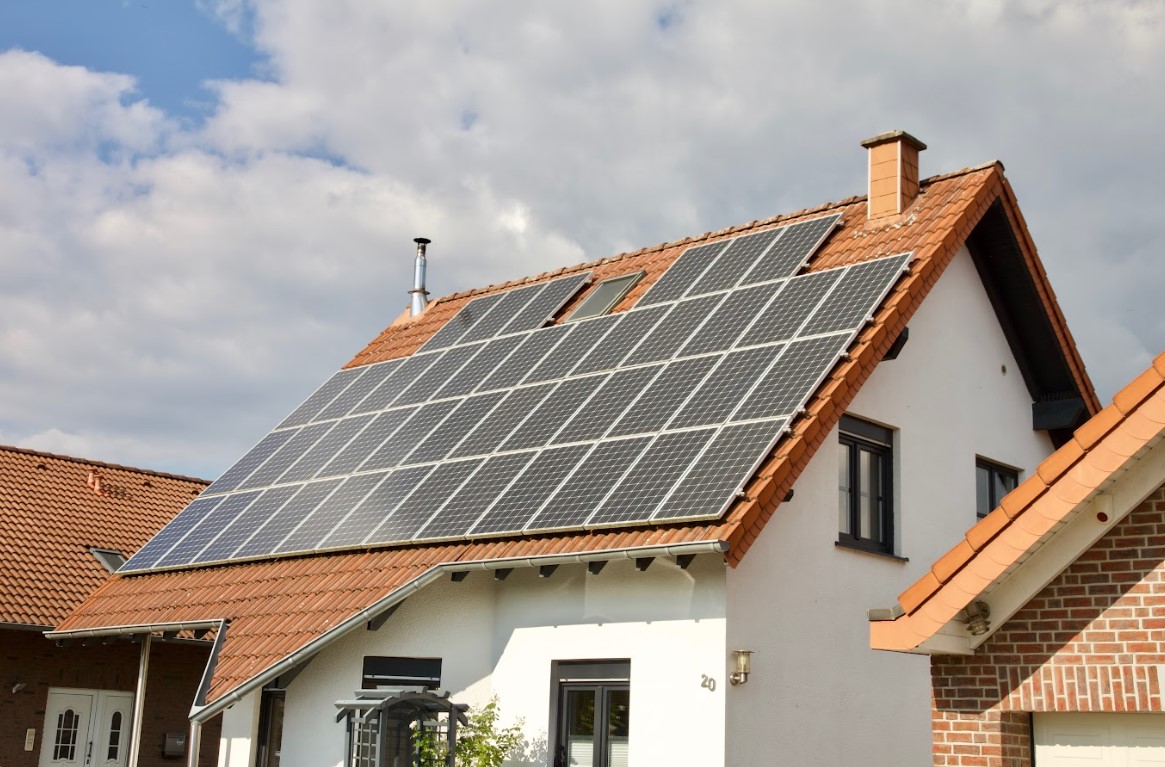
Solar roof compatibility plays a major role in whether solar panels perform efficiently and whether the roofing system underneath stays protected long term. Understanding roofing systems for solar panels and proper solar installation prep helps homeowners avoid premature roofing problems, unexpected costs, and installation issues that can affect both the roof and the solar system itself.
Around Southeast Indiana, more homeowners are paying attention to rising utility costs and looking for smarter ways to improve long-term energy efficiency. Solar panels are part of that conversation more than ever, especially as solar adoption continues growing across communities like Batesville.
Usually, though, homeowners start by thinking about the panels themselves. How much energy will they save? How long until they pay for themselves? Will they lower monthly electric bills?
Those are fair questions. But before solar panels ever go up, there’s another question that matters just as much:
Is the roof underneath them actually ready?
That’s where solar roof compatibility in Batesville becomes important. A solar system is only as reliable as the roofing system supporting it. If the roof is aging, storm-damaged, poorly ventilated, or nearing the end of its lifespan, installing solar panels too soon can create expensive complications later.
The good news is that preparing a roof for solar installation helps homeowners avoid those problems before the first mounting bracket is ever installed.
Here’s what you’ll learn:
- What makes a roof compatible with solar panels
- Which roofing systems work best for solar installations
- Why roof age matters before adding panels
- How weather exposure affects solar roofing systems in Southeast Indiana
- What homeowners should inspect before moving forward with solar installation prep
If you’re considering solar panels and want to know whether your roof is truly ready first, Ladder Lions Roofing can help evaluate the condition and compatibility of your roofing system before installation begins.
Why Solar Panel and Roofing Compatibility Matters Before Installation
Solar panels are designed to last for decades. Roofing systems are expected to do the same.
That means both systems need to work together properly from the start.
If the roof underneath the panels already has weaknesses, those issues usually become harder and more expensive to address later. That’s why solar panel and roofing compatibility involves much more than simply attaching equipment to the roof surface.
A compatible roofing system should support:
- Long-term structural performance
- Proper drainage
- Ventilation and airflow
- Weather resistance
- Secure mounting points
- Future maintenance access
In Southeast Indiana, those factors matter even more because roofing systems regularly deal with:
- Heavy rain
- Wind-driven storms
- Humid summers
- Freeze-thaw cycles
- Seasonal temperature swings
Preparing a roof for solar installation should always begin with evaluating how well the roofing system can handle both weather exposure and the added demands of solar equipment over time.
Roof Age Plays a Major Role in Solar Roof Compatibility
One of the biggest factors in solar panel and roofing compatibility is the age and condition of the roof itself.
Installing solar panels on an aging roof often creates problems later because removing and reinstalling panels during a future roof replacement adds significant labor and expense.
If a roof already shows:
- Curling shingles
- Storm damage
- Soft decking
- Moisture issues
- Ventilation concerns
those problems should usually be addressed before solar installation begins.
That’s why roof replacement before solar installation is often the smarter long-term decision when the roof is already nearing the end of its lifespan.
A newer roofing system creates a cleaner starting point where both the roof and the solar panels can age together instead of forcing major roofing work a few years later.
Roofing Problems Become Harder to Access After Solar Installation
Once solar panels are installed, roofing repairs become more complicated because large portions of the roof become harder to access.
Even smaller issues involving flashing, leaks, ventilation, and shingle replacement may require panel removal before repairs can happen properly.
That’s why preparing a roof for solar installation should always include a full roofing evaluation beforehand. It is much easier to address roofing concerns before solar equipment is installed than after the system is already in place.
Some Roofs Are Better Candidates for Solar Panels Than Others
Not every roof is automatically a strong candidate for solar installation.
Some homes are simply better positioned for long-term solar performance because of their roof condition, layout, and exposure to sunlight.
A roof may become a weaker solar candidate if it has:
- Heavy tree shading
- Ongoing moisture issues
- Significant storm damage
- Aging decking
- Multiple existing roof layers
- Poor structural condition
In some cases, the issue is not the solar panels themselves. It is whether the roof underneath is prepared to support them long term.
That’s why solar roof compatibility in Batesville should always involve evaluating the entire roofing system instead of focusing only on the solar equipment.
Sun Exposure and Roof Layout Affect Solar Performance
Roof design also plays a major role in how effective a solar system may be.
Things like:
- Roof slope
- Roof direction
- Tree coverage
- Chimneys
- Dormers
- Valleys and roof complexity
can all affect panel placement and energy production.
South-facing roof sections often receive the strongest sun exposure throughout the day, while heavily shaded roofs may produce less energy overall.
This is another reason preparing a roof for solar installation requires long-term planning instead of rushing directly into installation.
Roofing Systems for Solar Panels Require Long-Term Planning
Homeowners often focus heavily on solar equipment, but the roofing system underneath deserves just as much attention because the roof ultimately supports the entire solar system.
Roofing Materials Affect Solar Roof Compatibility
Some roofing systems work more naturally with solar installations than others.
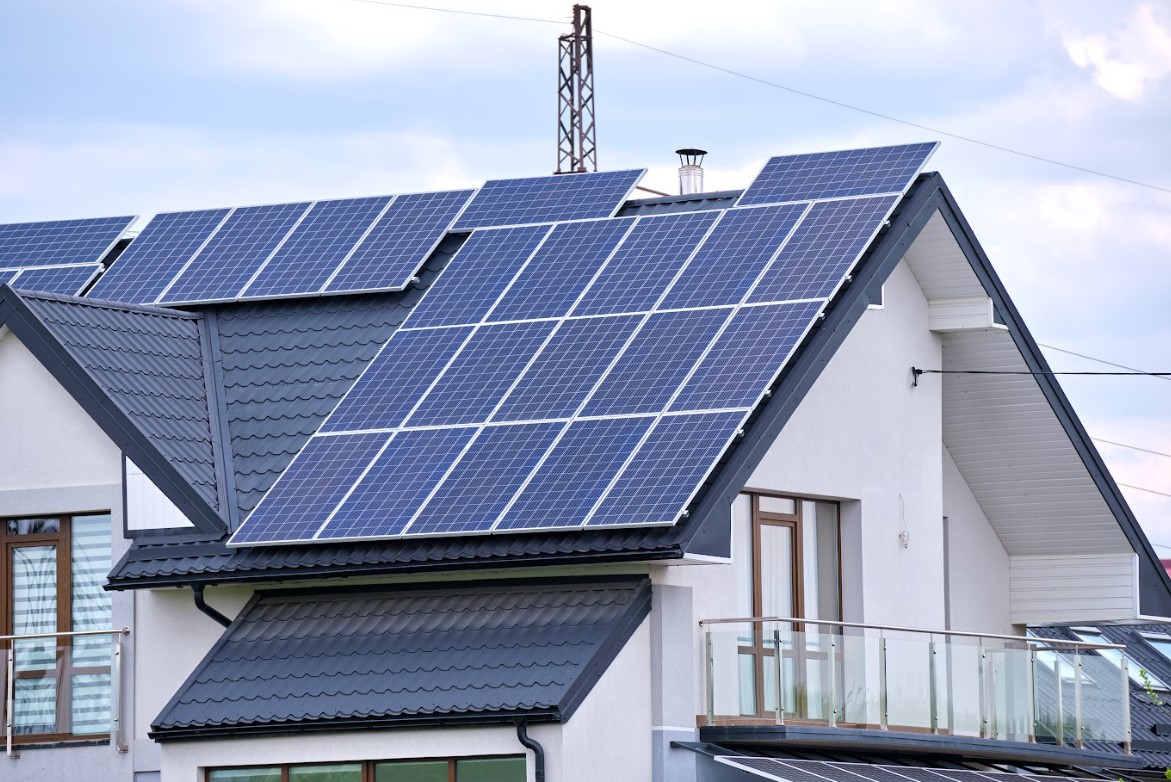
The best roofing material for solar panels often includes:
- Architectural shingles
- Metal roofing systems
- Composite roofing materials
These roofing systems generally provide:
- Reliable mounting support
- Easier installation access
- Better long-term compatibility
- Strong weather resistance
Older or heavily worn roofing systems may create more installation challenges and increase the likelihood of future repairs beneath the panels.
Structural Support Matters for Roofing Systems for Solar Panels
Solar panels add weight to the roofing system.
That does not mean most homes cannot support solar panels, but it does mean structural condition matters.
Roofing systems should be evaluated for:
- Decking condition
- Framing integrity
- Existing moisture damage
- Long-term load capacity
This is one reason preparing a roof for solar installation should involve both roofing and solar professionals before installation begins.
The goal is making sure the roof can support the solar system safely for decades, not just during the initial installation.
Ventilation Still Matters After Solar Panels Are Installed
Good attic ventilation remains important even after solar panels are added.
Poor ventilation can still contribute to:
- Heat buildup
- Moisture accumulation
- Premature shingle aging
- Higher cooling strain during summer
Solar panel and roofing compatibility is not just about the panel system itself. It is also about whether the roofing system underneath continues performing properly long after installation is complete.
Preparing a Roof for Solar Installation the Right Way
The best solar roofing projects usually begin with preparation instead of rushing directly into installation.
Roof Inspections Help Identify Compatibility Issues Early
A roofing inspection before solar installation helps identify:
- Existing roof damage
- Flashing concerns
- Drainage issues
- Ventilation problems
- Structural wear
Addressing those issues first helps reduce future complications once solar panels are installed.
This step becomes especially important in Southeast Indiana where storm-related roofing damage is common after strong seasonal weather.
Roof Replacement Timing Matters Before Solar Installation
If a roof is already nearing the end of its lifespan, replacement may make more financial sense before installing solar panels.
Otherwise, homeowners may eventually face:
- Panel removal costs
- Reinstallation labor
- Delayed roofing repairs
- Additional contractor coordination
Homeowners who coordinate both projects together usually avoid more disruption and expense later.
Roofing and Solar Contractors Should Coordinate Before Installation
One of the biggest causes of future roofing headaches is poor communication between contractors.
Roofing contractors and solar installers should both understand:
- Roof condition
- Ventilation needs
- Flashing details
- Mounting locations
- Warranty coverage
- Drainage patterns
When both sides coordinate properly before installation, homeowners usually end up with fewer surprises later.
That coordination becomes especially important if future roofing repairs or inspections are ever needed beneath the solar panels.
Roofing Warranties and Solar Installations Should Work Together
Homeowners should understand how solar installations affect roofing warranties before installation begins.
Questions worth asking include:
- Does the roofing warranty remain valid?
- Who handles flashing around mounting points?
- What happens if leaks develop later?
- Which contractor handles future repairs?
Strong coordination between roofing and solar installation teams helps avoid confusion later if roofing issues develop.
Roof Penetrations and Leak Prevention Require Proper Installation
One of the biggest homeowner concerns with solar panels is roof leaks.
That concern usually comes down to installation quality.
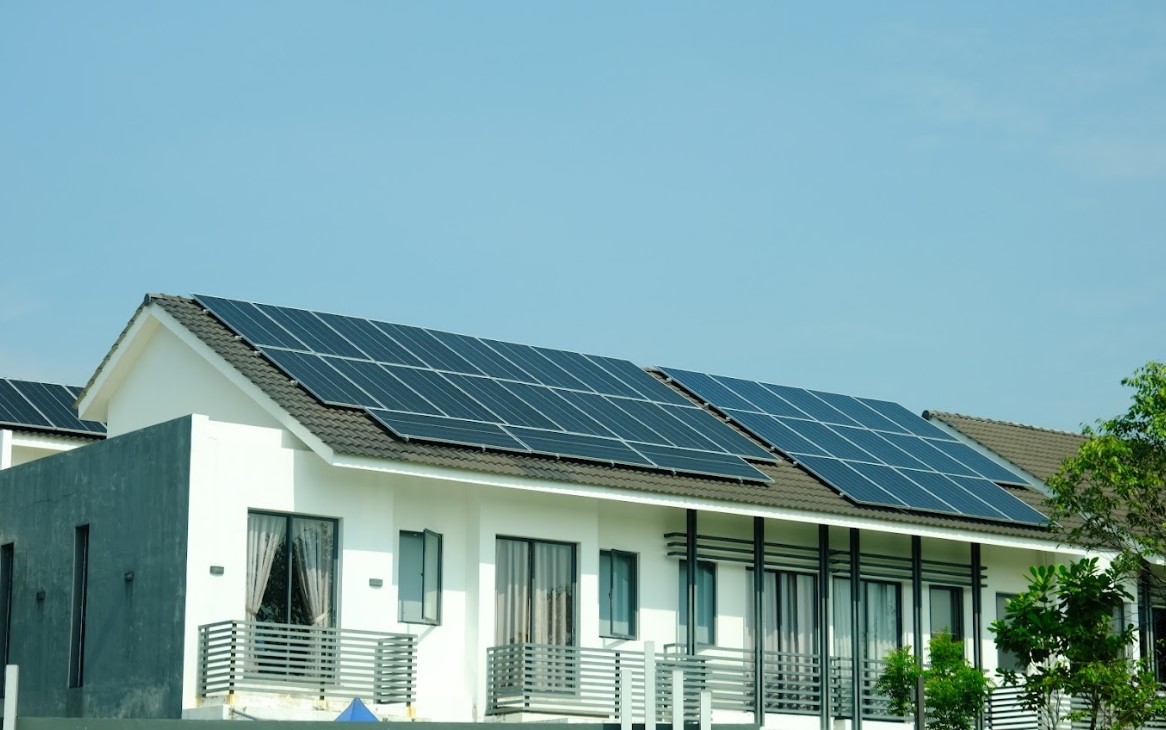
Solar systems require mounting points that penetrate the roofing system, which means flashing and waterproofing become extremely important.
Proper installation should include:
- Correct flashing methods
- Secure waterproof sealing
- Proper drainage planning
- Protection around penetrations
When roofing systems for solar panels are installed correctly, leak risks are greatly reduced. Problems are more likely when installations happen on aging roofs or when mounting details are handled poorly.
Solar Panels Change How Roofing Maintenance Is Handled
Once solar panels are installed, future roofing maintenance becomes more involved.
Routine tasks like:
- Roof inspections
- Leak diagnosis
- Flashing repairs
- Shingle replacement
may require additional coordination because portions of the roof become less accessible beneath the panel system.
That does not mean solar panels are a bad investment. It simply means long-term roof maintenance planning matters more once solar equipment is added.
Homeowners who prepare the roof properly beforehand usually create far fewer maintenance complications later.
Storm-Ready Roofing Matters Even More With Solar Panels Installed
Storm protection becomes even more important once solar panels are attached to the roofing system.
In Southeast Indiana, roofs regularly deal with:
- Strong wind
- Heavy rain
- Hail exposure
- Seasonal storm activity
That weather already places stress on roofing systems by itself. Adding solar equipment means homeowners should feel confident the roof underneath is prepared to handle years of continued exposure.
A strong roofing system helps support:
- Secure panel mounting
- Reliable flashing performance
- Better moisture protection
- Long-term structural stability
That’s one reason storm-ready roofing upgrades and preventative roof care often pair naturally with solar installation prep.
Roofing Materials and Their Solar Compatibility
Different roofing systems offer different advantages for solar panel installation.
| Roofing Material | Solar Compatibility | Long-Term Considerations |
|---|---|---|
| Architectural Shingles | High | Common and widely compatible |
| Metal Roofing | Very High | Durable and long-lasting |
| Composite Roofing | High | Good installation flexibility |
| Aging Shingles | Lower | May require replacement sooner |
| Damaged Roofing Systems | Poor | Repairs often needed first |
The best roofing material for solar panels is usually one that is structurally sound, properly ventilated, and expected to last for many years after installation.
The Benefits and Challenges of Solar Roof Compatibility
Solar roofing systems can provide strong long-term value, but homeowners should understand both the advantages and the challenges.
| Benefits | Challenges |
|---|---|
| Lower long-term energy costs | Upfront installation expense |
| Better energy efficiency | Roofing repairs become more complex |
| Potential resale appeal | Roof condition must be evaluated first |
| Reduced cooling strain during summer | Contractor coordination matters |
| Long-term utility savings | Aging roofs may require replacement first |
Solar energy savings also vary from home to home depending on roof layout, sun exposure, ventilation, and the condition of the roofing system itself.
That’s why successful solar installation prep starts with evaluating the roof first instead of assuming every home will perform the same way.
Weather Exposure in Southeast Indiana Affects Solar Roofing Systems
Weather plays a major role in solar roof compatibility in Batesville and throughout Southeast Indiana.
Roofing systems here regularly deal with:
- Wind exposure
- Heavy rain
- Humidity
- Seasonal storms
- Freeze-thaw cycles
That makes roofing durability especially important before installing solar panels.
Strong storms already place stress on roofing systems. Adding solar equipment means homeowners should feel confident the roof underneath is prepared to handle years of continued weather exposure.
That’s one reason roofing inspections remain such an important part of preparing a roof for solar installation.
Well-Maintained Roofs Usually Create Better Long-Term Solar Outcomes
Solar panels generally perform best when installed on roofing systems that are already in good condition.
A roof with:
- Good drainage
- Proper ventilation
- Strong flashing
- Solid structural condition
typically creates fewer long-term complications after installation.
That’s why preventative roof care and solar roof compatibility often go hand in hand.
How Ladder Lions Roofing Helps Homeowners Prepare for Solar Panels
We’ve worked on roofing systems across Southeast Indiana since 1990, and one thing becomes obvious pretty quickly. Solar installations work best when the roof underneath them is fully prepared first.
That’s why our approach focuses heavily on honest roofing evaluations before solar installation begins.
We help homeowners:
- Evaluate roofing condition
- Identify storm-related wear
- Assess ventilation and drainage
- Determine whether roof replacement should happen before installation
- Address roofing issues before solar equipment is added
Solar roof compatibility is not just about whether panels can physically fit on the roof. It is about whether the entire roofing system is prepared to support long-term performance safely and reliably.
Batesville Roofing FAQs About Solar Panel Compatibility
When homeowners start researching solar panels, roofing questions usually follow pretty quickly. These answers help explain how solar roof compatibility affects long-term roofing performance and installation planning.
Can solar panels be installed on any roof?
Solar panels cannot always be installed on every roof because roofing condition, structural support, roof age, and material type all affect compatibility. Some roofing systems require repairs or replacement before installation.
Should I replace my roof before installing solar panels?
You should consider roof replacement before solar installation if the roof is already nearing the end of its lifespan. Coordinating both projects together often reduces future labor costs and avoids removing panels later for roofing work.
What roofing materials work best with solar panels?
Architectural shingles, metal roofing systems, and composite roofing materials are often considered the best roofing materials for solar panels because they provide reliable mounting support and long-term durability.
Does roof condition matter before solar installation?
Roof condition matters significantly before solar installation because roofing problems become harder to access after panels are installed. Addressing repairs beforehand usually prevents more expensive complications later.
Do solar panels damage roofs?
Properly installed solar panels should not damage a healthy roofing system. Problems are more likely when installations happen on aging roofs or when mounting and flashing details are handled improperly.
What is solar roof compatibility?
Solar roof compatibility refers to how well a roofing system can support solar panel installation long term. Roofing condition, structural integrity, ventilation, and material type all play important roles.
Does ventilation still matter after solar panels are installed?
Ventilation still matters after solar panels are installed because trapped heat and moisture can continue affecting roofing materials underneath the solar system over time.
Final Thoughts: Solar Panel and Roofing Compatibility Starts With the Roof Itself
Solar panels can provide strong long-term energy benefits, but the roofing system underneath them still matters just as much.
Proper solar installation prep helps homeowners avoid unnecessary roofing complications, reduce future repair costs, and create a stronger long-term setup for both the roof and the solar system itself. In many cases, the success of a solar project starts with making sure the roof is truly ready beforehand.
Ladder Lions Roofing brings decades of experience, dependable workmanship, and a practical approach to helping homeowners evaluate roofing condition before moving forward with solar installation plans.
If you’re considering solar panels and want to know whether your roof is prepared to support them long term, now’s a good time to take a closer look before installation begins.
Recent Articles
Commercial Roofing
Commercial Roof Maintenance: A Practical Guide for Building Owners
September 22, 2026
Residential Roofing
The Platinum Standard: Why Shingle Manufacturer Certifications Control the Life of Your Roof Warranty
September 15, 2026
Residential Roofing
GAF vs Owens Corning Shingles: An Honest Comparison
September 15, 2026
Commercial Gutters
Commercial Gutter Overload: Avoiding Building Erosion and Foundation Damage During August Storms
August 17, 2026