.png)
Your Guide to Roofing Underlayment: What It Does and Why It Matters
January 12, 2026
•
Written By
Ladder Lions Roofing
What’s Under Your Roof Matters More Than You Think
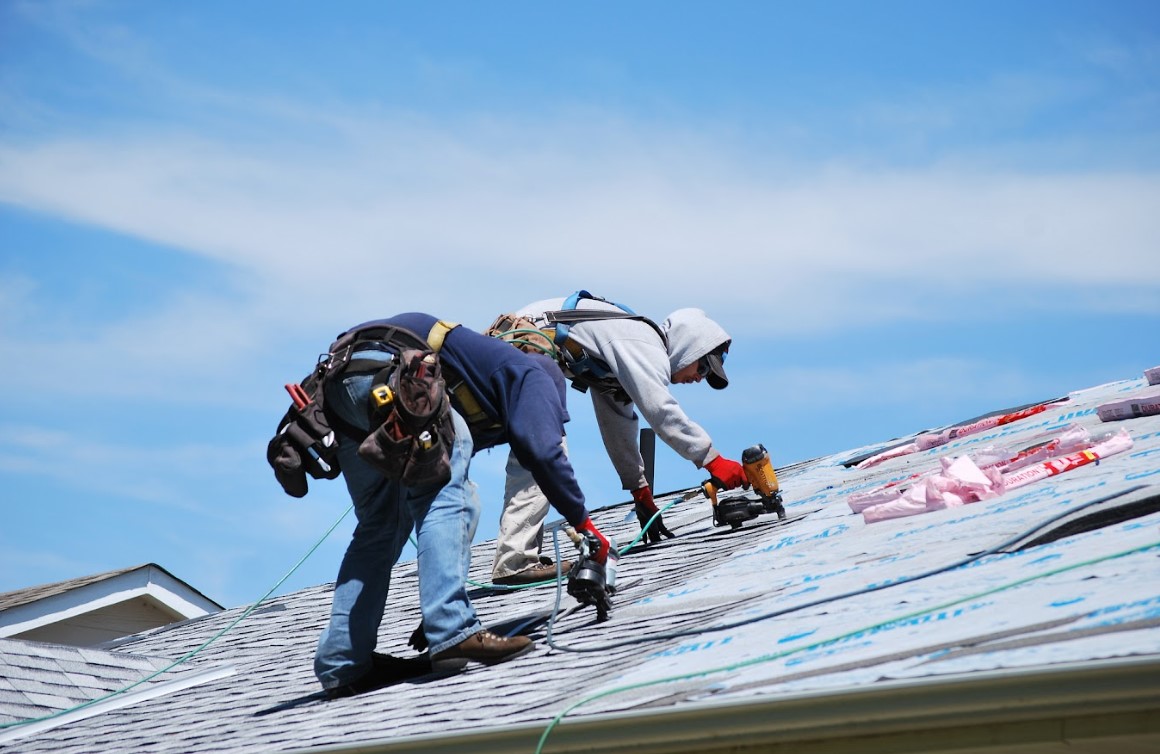
You ever peek under your shingles and wonder what’s doing the real work? Probably not. Most folks don’t. But I’ve been on enough roofs in Aurora and Southeast Indiana to know this: the stuff between the shingles and the roof deck — the underlayment — often makes the difference between “this roof might last a while” and “better get the ladder out, fast.”
I remember one house after a nasty spring storm. The roof looked fine — shingles intact, nails where they belonged. But inside? Water stains creeping across the attic floor. The culprit wasn’t weather. It was the wrong or worn‑out underlayment. That’s the kind of surprise most homeowners don’t ever see coming.
If you’re thinking about a new roof, or just want peace of mind that the roof you’ve got is built tough, this guide will walk you through what underlayment is, why you need the right kind, and how to think about it without getting lost in roofing jargon.
Here’s what we’ll cover:
- What underlayment is and it’s benefits in Midwest weather
- The most common roofing underlayment types and how they behave here
- What to check or know before installing or replacing a roof
- How proper underlayment acts as a reliable ‘roof protection layer’
- How Ladder Lions Roofing treats underlayment when we work — no shortcuts
If you ever want a second opinion or a roof inspection, we’re just a call away. Ladder Lions Roofing can help.
Underlayment 101: What It Is — And Why It’s Crucial for Our Weather
Think of underlayment as insurance for your roof. Shingles are the visible armor, but underlayment is the cushion underneath — the part helping keep water, wind, and moisture out long after the shingles are sealed.
Why does this invisible layer matter so much here in Aurora?
- We get snow, ice dams, spring storms, and summer humidity. That’s a lot of punishment.
- When shingles crack or shift, underlayment provides a backup barrier. It keeps water from reaching the wood deck.
- Proper underlayment supports ventilation, helps prevent mold, and gives the roof a longer, healthier life.
If your underlayment fails — or it was never the right kind to begin with — everything else above it becomes vulnerable.
What to Know Before Roofing, Repair, or DIY: Prep Tips for Underlayment Consideration
Before you get a new roof or even call a contractor, it’s smart to check a few things:
- Roof type and material. Asphalt shingles, metal, or synthetic roofs — each works best with certain underlayments.
- Roof slope and exposure. Low‑slope areas or valleys need tougher water barriers than steep, simple slopes.
- Ice dam zones and weather exposure. Eaves, valleys, and roof edges take the first hit from snow, ice, and wind — those spots need extra care.
- Deck condition. If the wood under your roof is already warped or damp, even the best underlayment won’t save it.
- Permit or code requirements. Some systems require certain underlayment types to meet code or maintain warranties.
Check these first. It makes a big difference in how well your roof stands up to time and weather.
Underlayment Types: What Works — and When
Picking the Right Underlayment for Your Roof
Not all underlayments are made the same. I’ve seen people cut corners to save a few bucks, only to wind up replacing roofs early. Here are the common types — and what to expect from each.
Felt (Tar Paper)
- Traditional and affordable.
- Works fine under normal conditions.
- But it soaks up moisture, wrinkles, tears easily. In harsh winters and humid summers like ours, that can shorten roof life.
Synthetic Underlayment
- Made from modern polymers, lighter and stronger.
- Resists water, tears, UV — better for our mixed weather.
- Costs a bit more, but that extra durability pays off.
Ice & Water Shield (Rubberized Membrane)
- Sticky, waterproof barrier — especially around valleys, eaves, chimneys.
- Excellent for leak-prone zones, heavy ice or snow seasons.
- Pricier and needs careful install, but often worth it when storms come.
Each choice matters. I’ve done roofs with all three types — and I’ve seen which ones hold up. For most homeowners around here, synthetic underlayment or strategic use of ice‑and‑water shield under critical zones makes the most sense.
Why Good Underlayment Is the Backbone of a Lasting Roof
You might not see underlayment once the roof is done — but it’s working every day, behind the scenes. Here’s what a good underlayment does for you:
- Gives backup when outer layers fail — hail, wind, broken shingles, you name it
- Adds protection against hidden leaks, condensation, and moisture intrusion
- Helps avoid wood rot, mold, and damage under the roof deck
- Extends lifespan of the entire roof — saves you money over time
- Supports warranties and code compliance when paired with proper installation
Cutting corners on underlayment is like building a house on a shaky foundation. It may stand for a while, but you’re risking a collapse when storms hit.
How We Do It Right: Underlayment at Ladder Lions Roofing
When we handle a roof here, underlayment isn’t a “nice-to-have.” It’s a must-have. Here’s what we do to make sure it’s done right:
- Inspect the deck thoroughly — no damp or warped wood allowed.
- Recommend the best underlayment based on roof type and weather exposure.
- Seal valleys, eaves, and roof penetrations with ice‑and‑water shield where needed.
- Lay underlayment smoothly — no wrinkles, bubbles, or loose spots.
- Pair underlayment with good flashing and ventilation so your roof works as a complete system.
Because a roof is only as good as its weakest layer — and we make sure none of our layers are weak.
Aurora Roofing Underlayment Questions We Hear All the Time
Most homeowners don’t think much about what’s beneath their shingles — until something goes wrong. If you’re wondering how underlayment fits into your roof’s performance, these are the real-world questions folks around Aurora ask us most often.
Is underlayment really necessary under shingles or metal roofing?
Yes, underlayment is necessary under shingles or metal roofing because it acts as a second barrier against water. If your top layer is damaged or leaks, the underlayment keeps moisture from soaking into the wood deck beneath.
Which type of underlayment works best for Indiana’s weather?
The best underlayment for Indiana weather is synthetic, paired with ice and water shield in high-risk areas. Synthetic holds up well in our freeze-thaw cycles, wind, and humidity without tearing or absorbing water like old felt does.
Do I need to replace underlayment if I’m only replacing the shingles?
Yes, if you’re replacing shingles, you should replace the underlayment too. Once the shingles are removed, the underlayment is exposed or likely damaged — and reusing it leaves your new roof vulnerable to leaks.
Can underlayment alone stop roof leaks?
Underlayment helps prevent leaks, but it’s not a cure-all. It works best as part of a complete roofing system — including proper flashing, ventilation, and shingle installation.
Does underlayment affect insurance or warranty coverage?
Yes, underlayment can impact insurance and warranty coverage. Most manufacturers and insurers require specific types of underlayment to honor coverage, so cutting corners here could cost you later.
Wrapping It Up: The Layer You Don’t See Might Just Save the Day
Most homeowners judge a roof by what they see — the color of the shingles, the slope, the shingles’ condition. That’s understandable. But here’s what I always tell folks: roof protection isn’t just about what’s on top. It’s about what’s under.
Get the right underlayment and install it right — especially with weather like we get in Southeast Indiana — and you’ve got a roof that stands up to storms, ice, hail, heat, and time. Skip it or compromise on quality, and you might find yourself replacing more than shingles down the road.
At Ladder Lions Roofing, we value honest work, local trust, and craftsmanship that lasts. We treat every roof like it might be our own. If you’ve got questions, or want a second look — we’re here, ladders lowered, ready to help.
Schedule a free inspection today. Let’s check what’s under the shingles — and make sure it’s strong enough to handle whatever Indiana throws at it.
Recent Articles
Commercial Roofing
Commercial Roof Maintenance: A Practical Guide for Building Owners
September 22, 2026
Residential Roofing
The Platinum Standard: Why Shingle Manufacturer Certifications Control the Life of Your Roof Warranty
September 15, 2026
Residential Roofing
GAF vs Owens Corning Shingles: An Honest Comparison
September 15, 2026
Commercial Gutters
Commercial Gutter Overload: Avoiding Building Erosion and Foundation Damage During August Storms
August 17, 2026