.png)
Cool Roof Technology: How Reflective Roofs Save Energy (and Money)
June 1, 2026
•
Written By
Ladder Lions Roofing
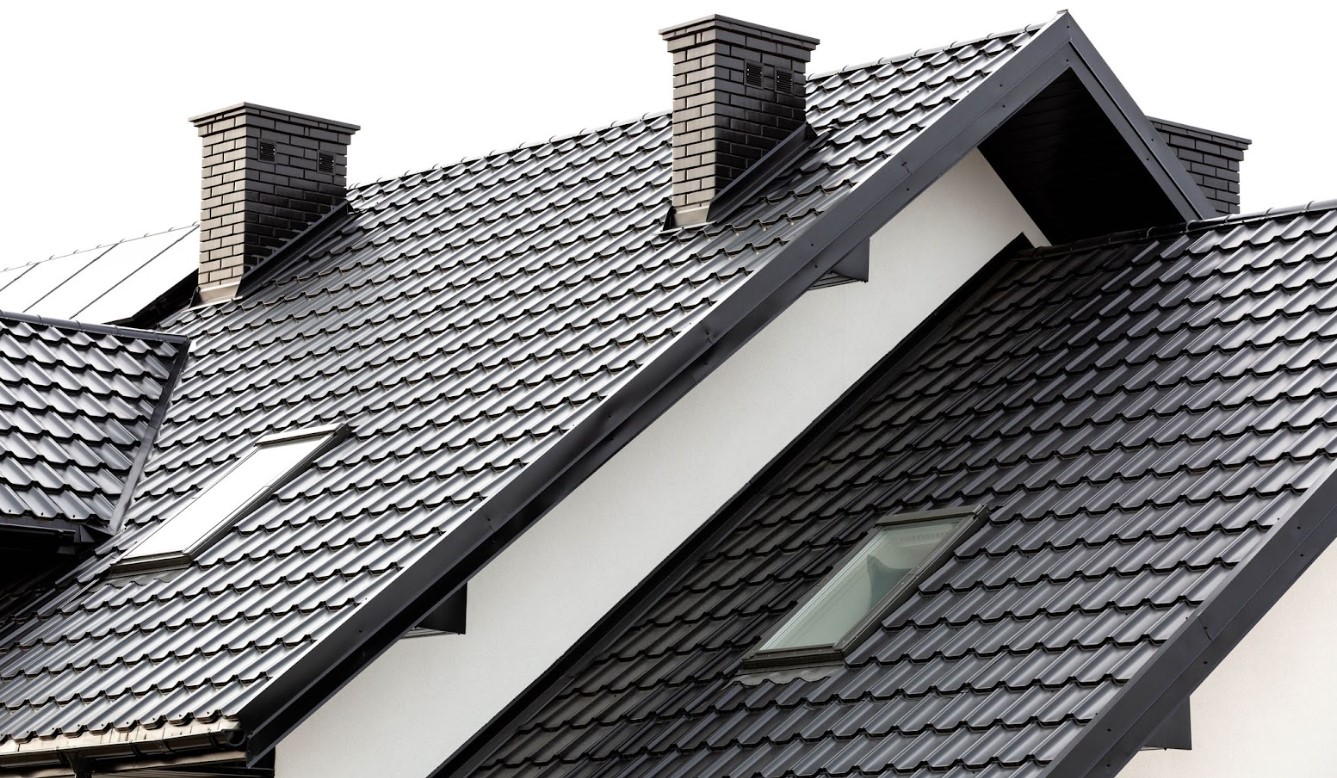
Cool roofing systems are designed to reflect more sunlight and absorb less heat than traditional roofing materials. That means lower attic temperatures, improved indoor comfort, and reduced strain on your cooling system during the hottest parts of the year. For many homeowners, reflective roofing and energy efficiency go hand in hand when summer utility bills start climbing.
Spend five minutes in an attic during a Southeast Indiana summer and you’ll know pretty quickly which roofs are holding onto heat and which ones are doing their job. Some attics feel surprisingly manageable. Others feel like opening the door to a clothes dryer that’s been running all afternoon. More often than not, the difference comes down to the roofing system overhead.
That’s why more homeowners are looking into reflective roofing options that can help lower cooling costs and make their homes more comfortable during the hottest parts of summer. Between rising energy prices, long stretches of summer heat, and air conditioners working overtime in July and August, reflective roofing has become a practical conversation for homeowners who are tired of fighting attic heat every year.
The question is whether cool roof technology is actually worth the investment and whether reflective roofs truly save energy and money over time.
Here’s what you’ll learn:
- How cool roof technology works
- The most common types of reflective roofing materials
- How reflective roofs help lower cooling costs
- Which roofing systems make the most sense in Southeast Indiana
- How reflective roofing affects comfort, roof lifespan, and long-term value
If your home feels harder to cool every summer, Ladder Lions Roofing can help you figure out whether a reflective roofing system makes sense for your home and budget.
Why Cool Roof Technology Matters in Southeast Indiana
Understanding cool roof technology starts with understanding what summer heat actually does to a home.
Roofs in Southeast Indiana spend long days sitting under direct sunlight. Traditional roofing materials absorb that heat hour after hour, and eventually all that trapped heat starts working its way downward. First the attic gets hotter. Then the upstairs rooms follow. Before long, the air conditioner is running nonstop trying to catch up.
That’s usually when homeowners begin looking into cool roofing systems and wondering whether reflective roofing can actually make a difference.
In this region, homes regularly deal with:
- Hot, humid summers
- Long periods of UV exposure
- Rising cooling costs
- Attic heat buildup during extended heat waves
Those conditions create the perfect setup for excess heat transfer inside the home.
What Is a Cool Roofing System?
A cool roofing system is designed to:
- Reflect more sunlight
- Absorb less heat
- Reduce roof surface temperatures
- Improve indoor energy efficiency
The goal is not simply to make the roof cooler to the touch. The bigger goal is reducing how much heat enters the home in the first place.
That’s really what these roofing systems are designed to do. Reduce heat before it has a chance to build up inside the home.
What Homeowners Should Know Before Choosing a Reflective Roof
Before investing in cool roof technology, it helps to understand that roofing performance is never about just one product. The whole roofing system matters.
Roofing Materials Affect How Much Heat Your Home Absorbs
Some roofing materials naturally reflect sunlight better than others. Metal roofing, reflective shingles, and coated roofing systems all handle heat differently.
The material itself matters, but so does how it’s installed and how the roof is ventilated underneath.
Proper Ventilation Helps Reflective Roofs Perform Better
A reflective roof can only do so much if heat has nowhere to go.
Poor attic ventilation traps hot air inside the system, which limits some of the energy-saving benefits homeowners expect from cool roofing systems. Good airflow allows heat and moisture to escape properly instead of lingering inside the attic all day.
Roof Color Influences Heat Reflection and Energy Efficiency
Lighter roofing materials generally reflect more sunlight, although newer technology has improved the performance of darker roofing products too.
That means homeowners now have more flexibility than they used to when balancing appearance and energy efficiency.
Long-Term Energy Savings Often Matter More Than Upfront Cost
Some roofing systems cost more upfront. That part’s true. But many homeowners are looking beyond the installation price alone.
When reflective roofing reduces attic heat and HVAC strain year after year, the long-term value often becomes easier to see.
How Cool Roof Technology Helps Save Energy and Money
The entire purpose of cool roof technology is reducing heat before it builds up inside the home.
Reflective Roofing Materials Reduce Heat Before It Enters the Home
Traditional roofing materials soak up heat all day long. By late afternoon, that heat is sitting right above your ceiling, slowly working its way into the attic and making your cooling system work harder than it should.
Reflective roofing materials are built differently. Instead of absorbing so much sunlight, they push more of it away before it turns into trapped heat.
That helps:
- Lower roof surface temperatures
- Reduce attic heat buildup
- Improve indoor comfort
For many homeowners, that difference becomes most noticeable during long Southeast Indiana summers when cooling systems are already working overtime.
Lower Attic Temperatures Help Reduce HVAC Strain
When attic temperatures stay lower, the rest of the home usually becomes easier to cool too.
During long heat waves, some homes never really cool down. The attic stays hot well into the evening, and the air conditioner just keeps grinding away. Energy-saving roofs help reduce that constant heat buildup so cooling systems don’t have to fight as hard throughout the day.
That can help:
- Reduce HVAC workload
- Lower cooling demand
- Improve temperature consistency indoors
Over time, that reduced strain may also help cooling equipment last longer.
Reduced Cooling Demand Can Help Lower Summer Utility Bills
Most homeowners looking into reflective roofing are usually trying to solve a pretty simple problem. Summer electric bills keep climbing.
Cool roofing systems help by reducing how much heat enters the attic in the first place. When less heat builds up overhead, cooling systems often cycle more efficiently during the hottest parts of the day.
The amount of savings varies from house to house because every home is different. Ventilation, insulation, roof color, sun exposure, and HVAC condition all play a role.
Still, many homeowners notice that reflective roofing improvements make their homes feel more stable and comfortable during the hottest months of the year.
Homes That Benefit Most from Cool Roof Technology
Not every house experiences heat buildup the same way. Some homes benefit more from reflective roofing than others.
Older Dark-Colored Roofs Tend to Hold More Heat
Older dark-colored roofs tend to absorb and hold heat longer, especially when roofing materials are aging or worn down.
Poor Attic Ventilation Increases Indoor Heat Buildup
Attics without proper airflow often stay hot long after sunset. That trapped heat continues pushing downward into the home well into the evening.
Hot Upstairs Rooms Often Point to Excess Attic Heat
If second-story bedrooms stay noticeably warmer than the rest of the house, attic heat may be part of the problem.
Rising Summer Energy Bills Can Signal Roofing Efficiency Problems
When cooling costs continue climbing every summer, reflective roofing may help reduce part of that strain by improving how the roof handles heat.
These are usually the homes where the difference becomes most noticeable over time.
Types of Cool Roofing Systems That Improve Energy Efficiency
Different roofing materials handle heat in different ways, and the right choice usually depends on the house itself, not just the product.
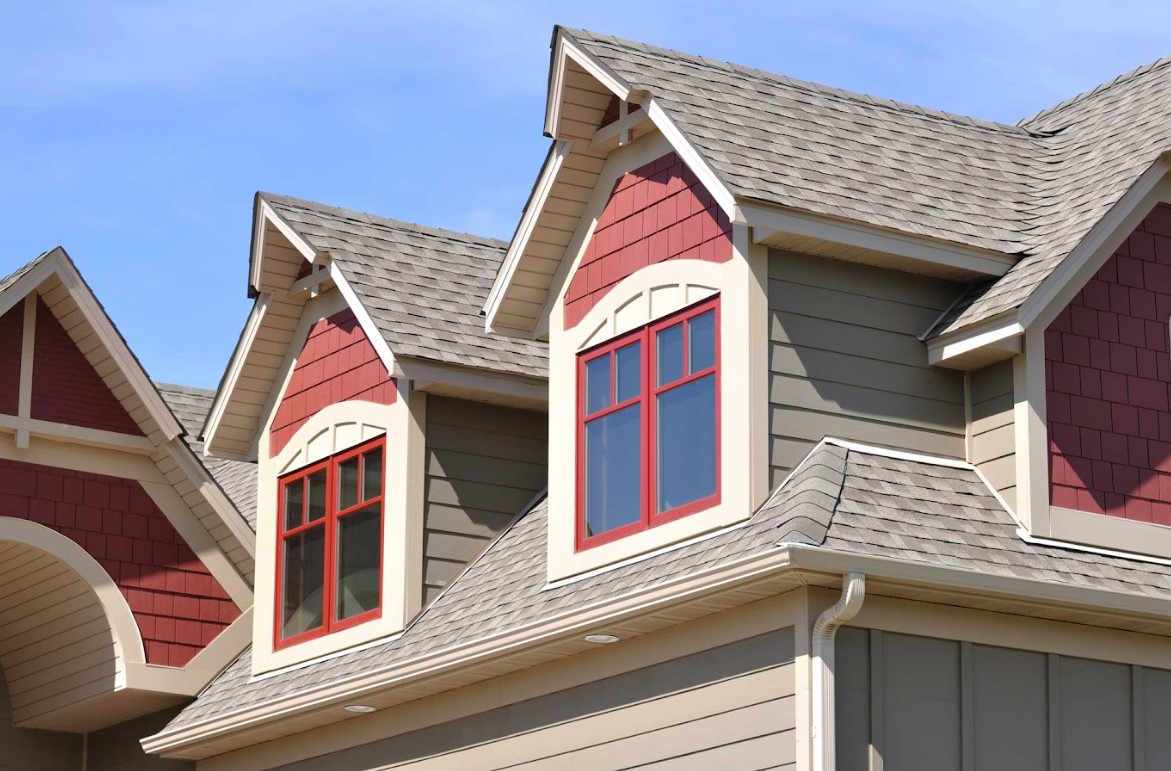
Reflective Asphalt Shingles Improve Efficiency Without Changing the Look of the Home
Modern asphalt shingles can include reflective granules designed to reduce solar heat absorption while still maintaining the look of a traditional residential roof.
Best for:
- Residential homes
- Traditional roof designs
- Homeowners wanting familiar materials with improved efficiency
Metal Roofing Reflects Heat While Delivering Long-Term Durability
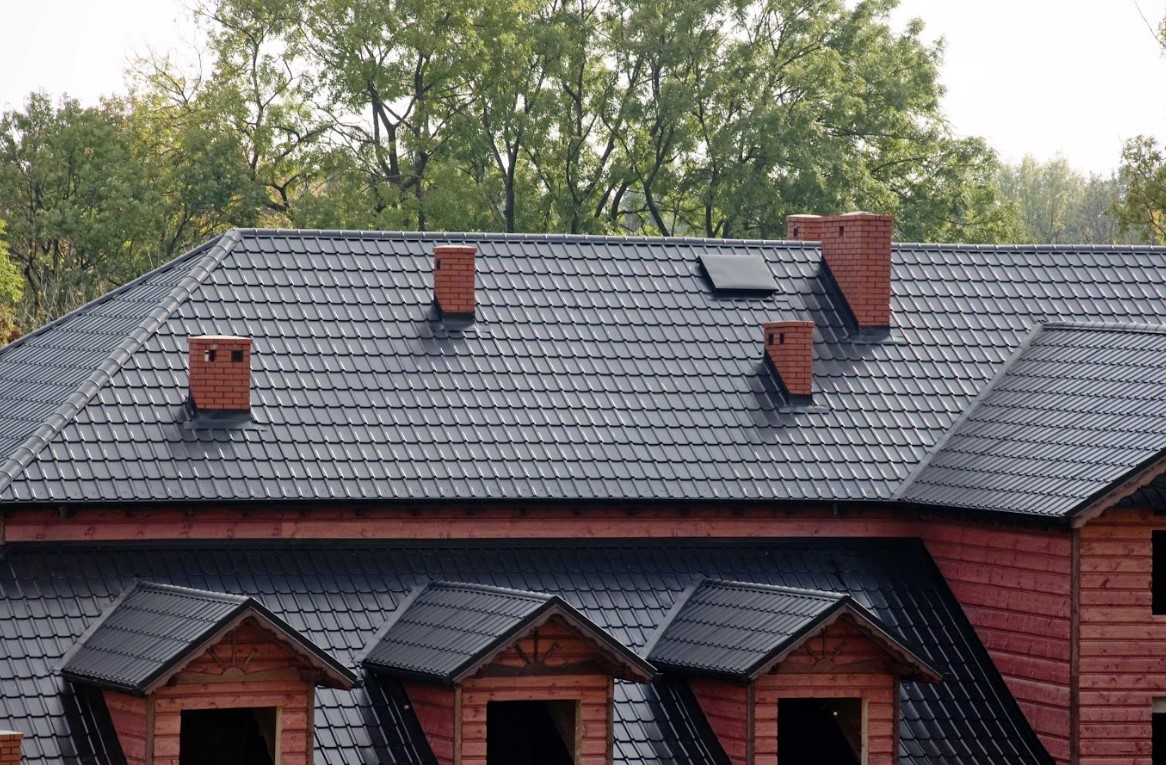
Metal roofing naturally performs well as an energy-saving roof because it reflects sunlight efficiently, especially when paired with reflective finishes or coatings.
Metal roofing also brings a few practical advantages with it:
- Strong heat reflection
- Long material lifespan
- Lower maintenance needs
Metal roofing also handles severe weather well, which makes it attractive for homeowners looking for both durability and energy efficiency.
Cool Roof Coatings Help Reduce Heat on Certain Roofing Systems
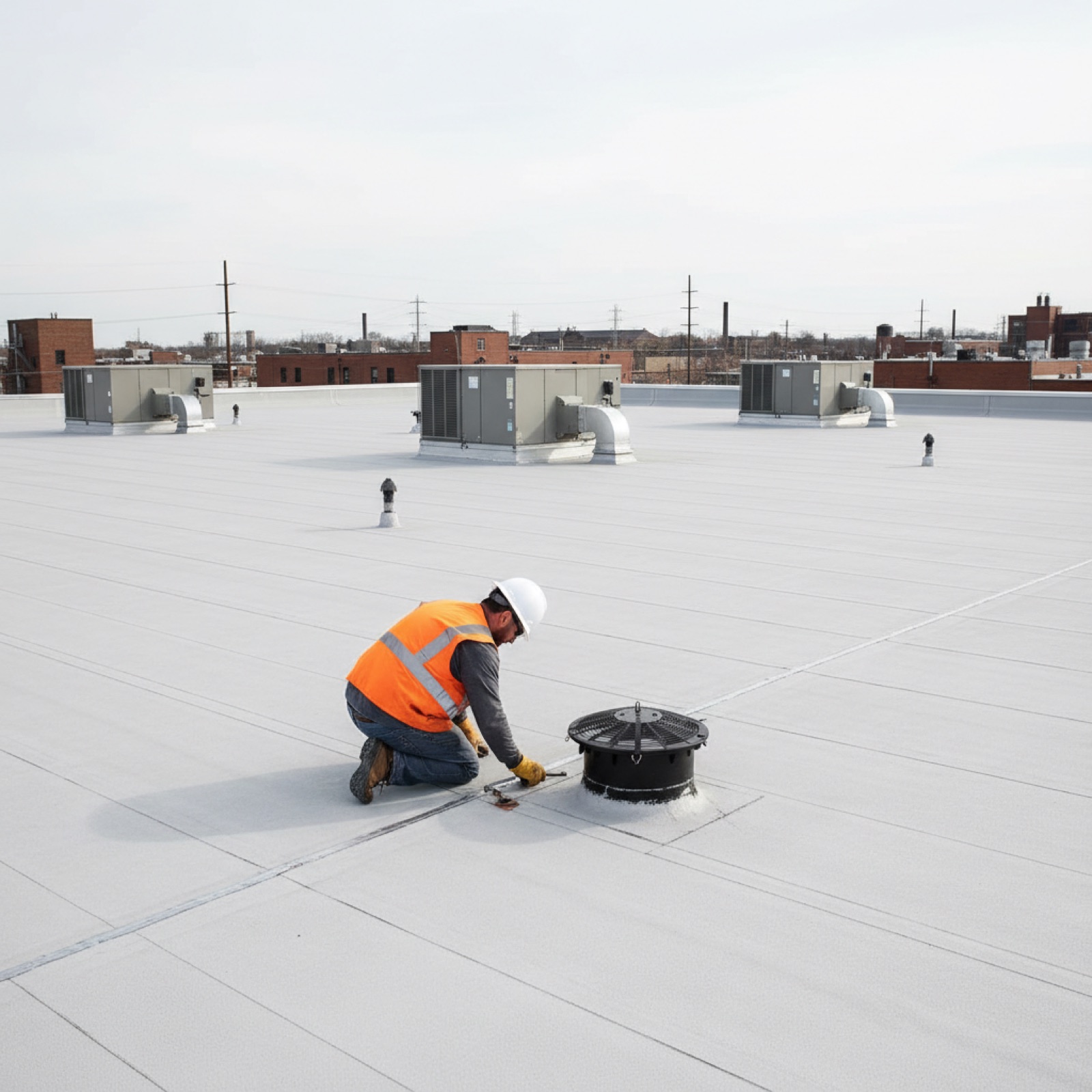
Cool roof coatings are reflective surface coatings applied over certain roofing systems to improve heat reflection.
These systems help:
- Reduce roof temperatures
- Improve energy efficiency
- Improve performance on some low-slope roofing systems
Cool roof coatings are more common on commercial properties, although some residential applications can benefit from them too.
Energy Star-Rated Roofing Products Are Designed for Better Thermal Performance
Some roofing materials are tested and rated specifically for energy-efficient performance.
Energy Star-rated products are designed to:
- Reflect more solar radiation
- Reduce indoor heat transfer
- Improve cooling efficiency during summer
Not every roofing product performs the same, which is why material selection matters.
What Cool Roof Technology Cannot Fix on Its Own
One of the most important things homeowners should understand is that cool roofing systems are not magic fixes.
Reflective roofing alone cannot solve:
- Poor insulation
- Ventilation problems
- Existing roof leaks
- Moisture buildup inside the attic
- Aging HVAC systems
Truth is, there’s no one-size-fits-all answer with roofing. Some homes need better ventilation. Some benefit most from reflective shingles. Others may be better off with metal roofing or broader attic improvements.
That’s why the entire roofing system has to work together if you want to get the most out of a reflective roof.
Common Misunderstandings About Cool Roof Technology
There are a few myths that create confusion around cool roofing systems.
“Cool Roofs Only Work in Desert Climates”
Cool roof technology for hot climates gets most of the attention, but reflective roofs still provide value in humid Midwestern summers where roofs absorb prolonged heat and UV exposure day after day.
“Only White Roofs Reflect Heat”
Modern roofing materials now offer reflective performance in more colors and styles than many homeowners realize.
“Reflective Roofs Instantly Slash Energy Bills”
Reflective roofing helps reduce heat buildup, but results depend on the entire roofing system. Ventilation, insulation, roof condition, and installation quality all affect performance.
How Reflective Roofing Supports Long-Term Roof Performance
The heat doesn’t just affect comfort inside the house either. Over time, it affects the roof itself.
When roofing materials absorb excessive heat day after day, they experience:
- More expansion and contraction
- Increased material stress
- Faster wear over time
Cool roofing systems help reduce some of that stress by limiting how much heat the roofing system absorbs in the first place.
That’s one reason the benefits of reflective roofing often extend beyond lower cooling costs alone. Lower attic temperatures and reduced heat buildup may also support better long-term roof performance.
Better airflow and lower attic heat can also support the kind of long-term durability homeowners look for when creating a storm-ready roof built for Southeast Indiana weather year after year.
Comparing Cool Roofing Materials and Energy Performance
Different cool roofing systems solve heat buildup in different ways, and the best fit usually depends on the home itself, not just the product label.
Pros and Cons of Cool Roofing Systems
How Ladder Lions Roofing Helps Homeowners Choose Energy-Saving Roofs
We’ve been working on roofs across Southeast Indiana since 1990, and every summer tells the same story. Some homes struggle with heat far more than they should.
That’s why our approach focuses on the full roofing system instead of simply recommending a product.
We help homeowners:
- Evaluate attic ventilation
- Assess existing roofing conditions
- Compare reflective roofing options
- Choose practical roofing systems based on the home itself
Good roofing decisions come from honest conversations, proper installation, and understanding how the roof performs as a complete system. Not from chasing trends or throwing expensive materials at the problem and hoping for the best.
Cool Roofing Questions Homeowners Ask Most
When homeowners start researching cool roof technology, the same questions usually come up. These answers help explain how reflective roofing works and whether energy-saving roofs make sense for homes in Southeast Indiana.
What is a cool roof?
A cool roof is a roofing system designed to reflect more sunlight and absorb less heat than traditional roofing materials. This helps lower roof temperatures and improve indoor energy efficiency during hot weather.
Do reflective roofs really save energy?
Reflective roofs do help save energy by reducing attic heat buildup and lowering cooling demand inside the home. Lower attic temperatures often reduce how hard air conditioning systems have to work during summer.
Are cool roofs worth the cost?
Cool roofs are often worth the cost for homeowners dealing with high cooling bills, excessive attic heat, or aging roofing systems. Long-term comfort, reduced HVAC strain, and energy savings are usually part of the value.
Which roofing materials reflect the most heat?
Metal roofing, reflective roof coatings, and certain Energy Star-rated roofing products typically reflect the most heat. Performance depends on the material, color, and installation quality.
Do cool roofing systems help lower attic temperatures?
Cool roofing systems do help lower attic temperatures by reducing how much solar heat the roof absorbs during the day. Lower attic temperatures often improve indoor comfort during Southeast Indiana summers.
Are reflective roof benefits noticeable during Indiana summers?
Most homeowners notice the difference during humid Indiana summers when attic heat starts building up day after day and the air conditioner barely gets a break.
Will a reflective roof lower my electric bill?
A reflective roof can help lower cooling costs by reducing heat transfer into the home and easing HVAC workload. Savings vary depending on insulation, ventilation, roof condition, and sun exposure.
Final Thoughts: Cool Roof Technology Helps Homes Handle Summer Heat More Efficiently
Cool roof technology is really about helping your home handle heat more efficiently. When less heat builds up in the attic, the house stays more comfortable, the cooling system doesn’t have to work as hard, and summer energy bills become a little easier to manage.
When cool roofing systems are paired with proper ventilation, quality materials, and solid installation, homeowners often notice the biggest benefits where they matter most. Lower attic temperatures, steadier indoor comfort, and reduced cooling demand during long Southeast Indiana summers.
Ladder Lions Roofing brings decades of experience, dependable workmanship, and a practical approach to helping homeowners choose roofing systems that make sense for the way they actually live.
If your home feels harder to cool every summer, it may be time to take a closer look at whether your current roof is holding onto more heat than it should.
Recent Articles
Commercial Roofing
Commercial Roof Maintenance: A Practical Guide for Building Owners
September 22, 2026
Residential Roofing
The Platinum Standard: Why Shingle Manufacturer Certifications Control the Life of Your Roof Warranty
September 15, 2026
Residential Roofing
GAF vs Owens Corning Shingles: An Honest Comparison
September 15, 2026
Commercial Gutters
Commercial Gutter Overload: Avoiding Building Erosion and Foundation Damage During August Storms
August 17, 2026