.png)
Choosing Roof Flashing Materials: What Protects Best?
April 8, 2026
•
Written By
Ladder Lions Roofing
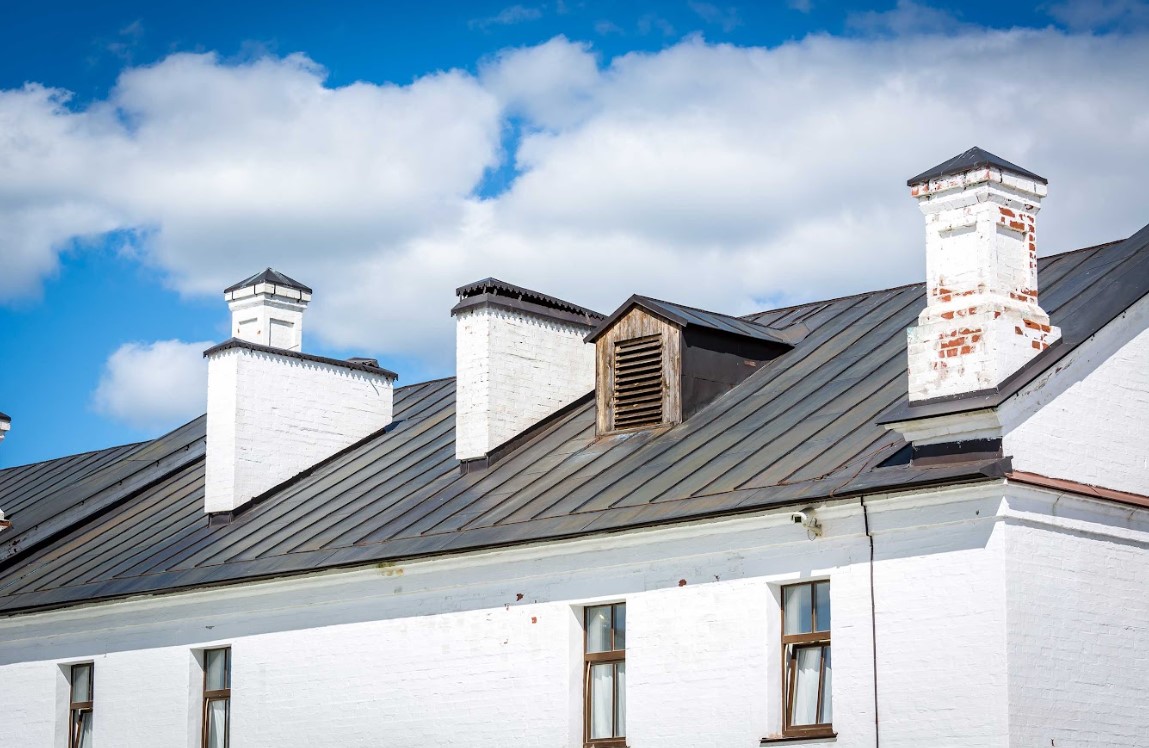
Most people think of shingles when they think about roof leaks, but around Batesville we often find the real problem somewhere else. A lot of leaks start where the roof changes direction, around chimneys, vents, valleys, and walls where different parts of the structure meet. Those areas rely on flashing to keep water out, and when the wrong material is used or the installation is not done right, even a good roof can start leaking. That is why a solid roof flashing guide matters more than most homeowners expect. Once you look at a proper flashing material comparison, it becomes clear that the right choice plays a big role in long-term leak prevention roofing.
In this guide, we will walk through what flashing actually does, which materials hold up best in Southeast Indiana weather, and what to look for when repairing or replacing a roof. The goal is not to make things complicated, just to explain the details that make the difference between a roof that lasts and one that keeps needing repairs.
In this guide, we will cover:
- What roof flashing does and why it matters
- Which flashing materials last the longest
- Where flashing fails most often
- How modern flashing systems work
- How the right materials help prevent leaks
If you are not sure what kind of flashing your roof has now, that is normal. Most homeowners never see it until something goes wrong. When the time comes to repair or replace a roof, Ladder Lions can help make sure those details are handled the right way.
Why Roof Flashing Matters More in Southeast Indiana
Flashing is one of the most important parts of leak prevention roofing, but it is also one of the parts people notice the least. In this part of Indiana, roofs deal with heavy rain, strong wind, snow, and temperature swings that put extra stress on the spots where water can get in. Because of that, flashing tends to wear out faster here than in milder climates, which makes the material choice more important.
Before getting too far into this roof flashing guide, it helps to understand what flashing actually does and why the type of metal or material used can change how long the roof stays watertight.
Flashing protects the weakest points on the roof
Flashing is installed anywhere the roof meets another surface or changes direction. These areas include chimneys, skylights, vent pipes, valleys, and wall connections. Water naturally runs toward these spots, so they are the most common place leaks begin.
When flashing is installed correctly and made from the right material, it directs water away from those joints. When it fails, even a newer roof can start leaking.
Weather in this region puts flashing under stress
Around Batesville, flashing expands and contracts as temperatures change through the year. Freeze-thaw cycles, strong storms, and heavy rain all put pressure on the seams of the roof. A proper flashing material comparison becomes important here because lighter or cheaper materials may not hold up as long in these conditions.
Codes require flashing, but not always the best material
Building codes require flashing in certain locations, but they do not always specify the quality of the material. That means the durability of the flashing often depends on the installer and the budget, not just the rules. For real leak prevention roofing, the goal is to match the flashing to the life of the roof, not just meet minimum requirements.
What to Consider Before Choosing Flashing Materials
Before picking a flashing material, it helps to step back and look at the whole roof system. Flashing has to work with the roofing material, the slope of the roof, and the weather conditions the house sees every year.
Things worth thinking about include:
- the type of roof covering
- the pitch and shape of the roof
- exposure to wind and rain
- budget for the project
- expected lifespan of the roof
- warranty requirements
Higher-quality flashing may cost more at the start, but it usually lasts longer. When the goal is leak prevention roofing, the flashing should be able to last as long as the shingles, metal panels, or tile above it. Using a short-life material on a long-life roof is one of the most common causes of early leaks.
Looking at a flashing material comparison before the job starts helps avoid that mistake.
Flashing Material Comparison: Which Type Protects Best
Different flashing materials have different strengths, and the best choice depends on the type of roof, the weather it will see, and how long the roof is expected to last. A good roof flashing guide should always include a clear flashing material comparison, because the wrong metal can wear out long before the shingles do. For reliable leak prevention roofing, the flashing should be able to last just as long as the roof system around it.
When looking at a flashing material comparison, the best choice is not always the cheapest one. For true leak prevention roofing, the flashing should match the life of the roof. Using short-life flashing on a long-life roof is one of the most common reasons leaks show up years before the shingles wear out.
Step Flashing, Counter Flashing, and Why Both Matter
Choosing the right material is important, but using the right type of flashing is just as important. A complete roof flashing guide should explain how different pieces work together to keep water out.
Step flashing seals where roof meets wall
Step flashing is installed in layers where shingles meet a wall. Each piece overlaps the next so water can run down without getting behind the roof.
Counter flashing protects the top edge
Counter flashing covers the top of the step flashing and keeps water from getting behind it. Without counter flashing, even good step flashing can fail over time.
Valley flashing handles heavy water flow
Roof valleys carry a lot of water during storms, so stronger flashing is often used in these areas.
Pipe and vent flashing seals round openings
Rubber and metal boots are used around vents and pipes. These are common leak points when the material cracks or pulls loose.
Using the right combination of flashing types is one of the most important parts of leak prevention roofing.
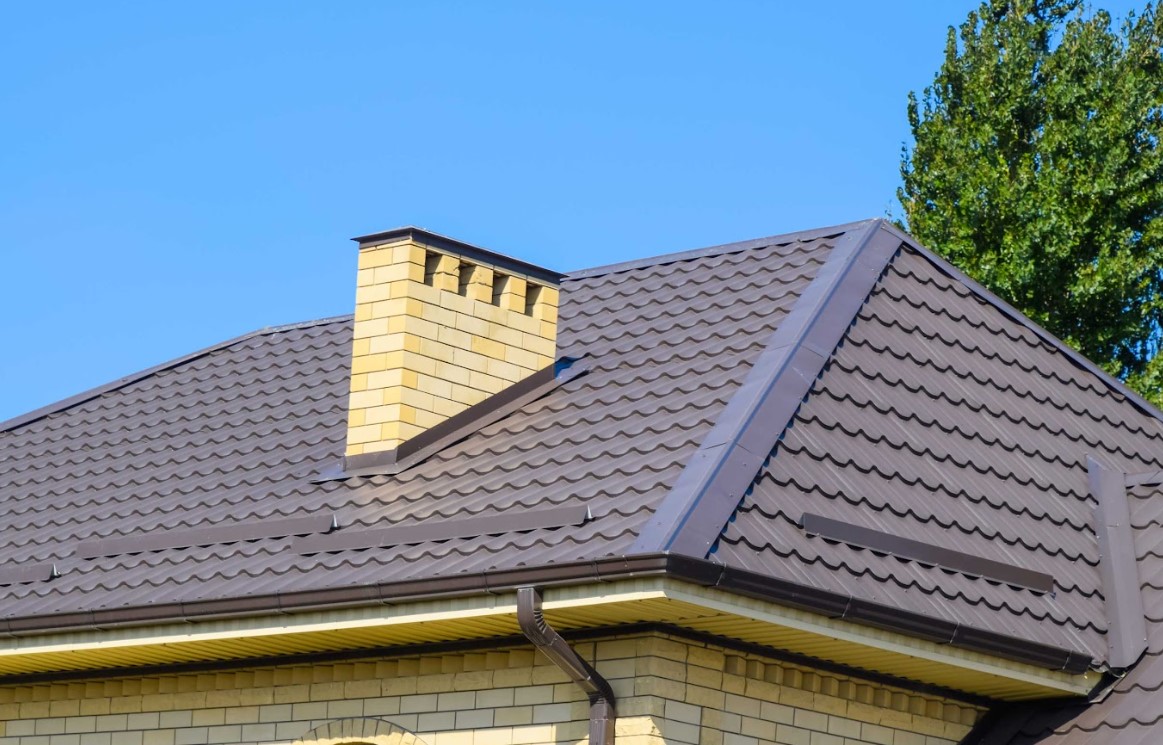
Modern Flashing Systems and Extra Protection Layers
Older roofs relied mostly on metal flashing, but modern leak prevention roofing often uses more than one layer of protection.
Today’s systems may include:
- synthetic underlayment
- ice and water shield
- sealant membranes
- pre-formed flashing boots
These materials help protect the roof when flashing expands and contracts. They do not replace metal flashing, but they help the whole system last longer, especially in climates like Southeast Indiana where temperature changes are common.
Where Flashing Fails Most Often
Even good materials can fail if they are used in the wrong place or installed incorrectly. The most common problem areas we see include chimneys, valleys, vent pipes, skylights, and wall connections.
Water naturally flows toward these areas, which means any weakness shows up there first. That is why flashing is such a big part of leak prevention roofing. When the flashing holds up, the roof usually does too.
Matching Flashing to the Life of the Roof
One mistake we see fairly often is using cheap flashing on a roof that is meant to last a long time. When the flashing wears out early, leaks can start even though the shingles still look fine.
A good flashing material comparison should always consider how long the roof is expected to last. Metal roofs, tile roofs, and long-life shingles all need flashing that can last just as long.
Choosing the right material at the start usually saves money later.
Why Installation Matters as Much as the Material
A good roof flashing guide always comes back to the same point. The material matters, but the way it is installed matters just as much.
Proper flashing should overlap correctly, allow water to drain, and move with the roof as temperatures change. If flashing is nailed in the wrong place or sealed the wrong way, water can get in no matter how strong the metal is.
Good installation is one of the biggest parts of leak prevention roofing, especially in a climate like the one we have around Batesville.
Roof Flashing Questions Batesville Homeowners Ask About Leak Prevention and Flashing Materials
When homeowners in Batesville start dealing with roof leaks, the conversation often turns to flashing. A lot of problems that look like shingle damage actually start where the roof meets a wall, chimney, or valley, so understanding how flashing works is a big part of good leak prevention roofing. These are the questions we hear most often when people are comparing flashing materials or trying to figure out why a roof is leaking.
What does roof flashing do
Roof flashing keeps water out of the joints where the roof meets another surface. These areas are the most common place leaks start, which is why flashing plays such a big role in leak prevention roofing.
What is the best material for roof flashing
The best material for roof flashing depends on the roof type and how long it needs to last. A proper flashing material comparison usually comes down to aluminum, steel, or copper, with stronger metals lasting longer in harsh weather.
How long should roof flashing last
Roof flashing should last as long as the roof when the right material is used. If cheaper flashing is installed on a long-life roof, leaks can start even though the shingles still look fine.
Can bad flashing cause roof leaks
Bad flashing can cause roof leaks because water often enters where the roof changes direction or meets another surface. Many leak problems we see during inspections come from flashing that rusted, cracked, or was installed incorrectly.
Should flashing be replaced when a roof is replaced
Flashing should usually be replaced when a roof is replaced unless it is still in perfect condition. Reusing old flashing is one of the most common reasons a new roof starts leaking earlier than it should.
Is metal flashing better than plastic flashing
Metal flashing is usually better than plastic flashing because it lasts longer and handles temperature changes better. Plastic flashing may work for small repairs, but metal is more reliable for long-term leak prevention roofing.
How do I know if flashing is failing
Flashing may be failing if leaks show up near chimneys, vents, walls, or valleys. Rust, loose metal, cracked sealant, or water stains inside the house are all signs the flashing may need repair or replacement.
Choosing Flashing Materials That Actually Protect Your Roof
Most roof leaks do not start in the middle of the shingles. They start where the roof changes shape, which means flashing often decides how well the roof holds up over time.
Around Batesville, we have seen good roofs leak early because the wrong flashing was used, and we have seen roofs last for decades when the right materials were installed the right way.
At Ladder Lions, the approach is simple. Use the right flashing, install it correctly, and make sure the whole system works together. When those details are done right, leak prevention roofing is not guesswork.
Schedule your free inspection today.
Recent Articles
Commercial Roofing
Commercial Roof Maintenance: A Practical Guide for Building Owners
September 22, 2026
Residential Roofing
The Platinum Standard: Why Shingle Manufacturer Certifications Control the Life of Your Roof Warranty
September 15, 2026
Residential Roofing
GAF vs Owens Corning Shingles: An Honest Comparison
September 15, 2026
Commercial Gutters
Commercial Gutter Overload: Avoiding Building Erosion and Foundation Damage During August Storms
August 17, 2026