.png)
Spring Roof Readiness: A Step-by-Step Guide to Post-Winter Maintenance
March 25, 2026
•
Written By
Ladder Lions Roofing
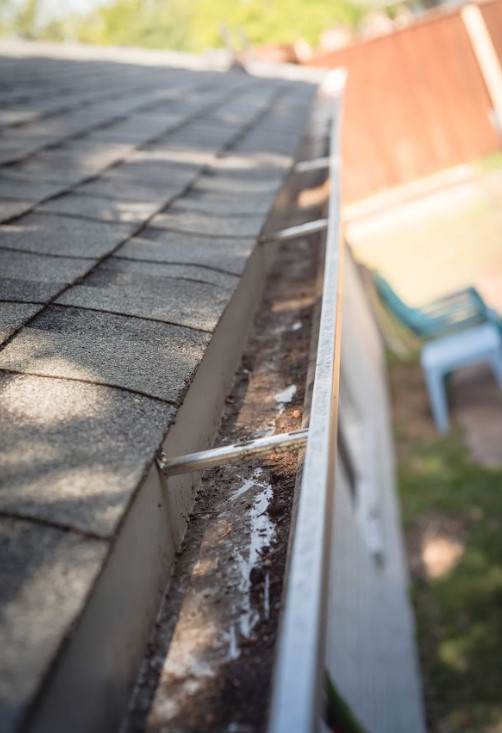
In Batesville, spring does not ease in quietly. It arrives with steady rain, warmer afternoons, and the kind of storms that quickly reveal what winter left behind. A lifted shingle. Granules in the gutter. A ceiling stain that was not there a few weeks ago.
That is where spring roof maintenance comes in.
Post-winter inspection is not just another item on your seasonal home care list. It is the reset button for your roofing system. A structured roof inspection guide each spring ensures your home is prepared for heavy rainfall, rising humidity, and summer storms.
In this guide, we will walk through:
- What winter stress does to your roof
- Why spring roof maintenance matters in Batesville
- A practical, step-by-step inspection process
- When to handle things yourself and when to call a professional
- How proactive seasonal home care protects long-term roof performance
Spring roof readiness is about preparation. It is about finding small issues before they grow. If you are unsure what winter may have done to your roof, Ladder Lions Roofing can help.
What Winter Does to Your Roof — And Why Spring Roof Maintenance Matters
To understand why spring roof maintenance is important, you have to look back at what winter puts your roof through.
During cold months, roofing materials expand and contract repeatedly. Moisture finds its way into small gaps. When temperatures drop below freezing, that moisture expands. Over time, this cycle can:
- Lift shingle edges
- Loosen flashing
- Crack sealant
- Stress fasteners
Add ice dams and strong winter winds, and even a solid roof can develop subtle vulnerabilities.
Most of this damage does not announce itself. It waits. Then spring rain exposes it. That is why a clear roof inspection guide each spring is essential. Spring roof maintenance is not about guessing. It is about confirming that winter stress has not left weak points behind.
Why Spring Roof Maintenance Is Especially Important in Batesville
Once you understand the stress winter creates, the next question is timing. Why spring?
In Batesville, homes experience freeze-thaw cycles, steady winter rain, and early spring storms. The shift from cold to mild temperatures often reveals problems that were hidden for months.
Spring roof maintenance is designed specifically for this transition period. It is a structured review of shingles, flashing, drainage, and ventilation after winter stress but before heavy storm season begins.
Seasonal home care in this region must account for moisture control. When spring rain arrives, small weaknesses quickly turn into leaks. That is why spring roof readiness is not just a recommendation. It is a protective step.
With that foundation in place, let’s walk through how to approach it methodically.
Preparing for Your Spring Roof Maintenance Inspection
Before climbing a ladder or walking the property, a little preparation makes the inspection smoother and safer.
First, think about safety. If heights are uncomfortable or the roof pitch is steep, professional inspection is the safer route. Spring roof maintenance should protect your home, not put you at risk.
Next, consider budget. Most post-winter inspections uncover minor issues like a few lifted shingles or loose flashing. Addressing these early keeps seasonal home care affordable and prevents larger roof repairs later.
Finally, gather basic tools such as binoculars, a flashlight for attic inspection, gloves, and a ladder if needed.
With preparation handled, you can move confidently into the inspection itself.
A Step-by-Step Roof Inspection Guide for Spring Roof Readiness
This roof inspection guide follows a logical progression, starting with what you can see easily and working toward more detailed evaluation.
Step 1: Start with a Ground-Level Walkaround
Spring roof maintenance begins with observation.
Walk around your home and look up. Check for:
- Missing or curled shingles
- Uneven roof lines
- Debris buildup
- Granules near downspouts
Granule loss is common after winter, but heavy accumulation can indicate aging shingles. This first step often reveals whether a closer look is necessary.
Step 2: Evaluate Gutters and Downspouts
After scanning the roof surface, shift your focus to drainage.
Gutters and downspouts are critical components of seasonal home care. Inspect for sagging sections, loose brackets, blockages, or staining behind gutters.
Spring roof readiness depends on proper water flow. If winter debris is clogging the system, spring rainfall will expose it quickly.
For a deeper understanding of how drainage supports roof performance, read our guide on The Truth About Downspout Placement: How It Protects Your Roof and Foundation. Water management plays a direct role in effective spring roof maintenance.
Once drainage is confirmed, move on to roof transitions.
Step 3: Inspect Flashing and Roof Penetrations
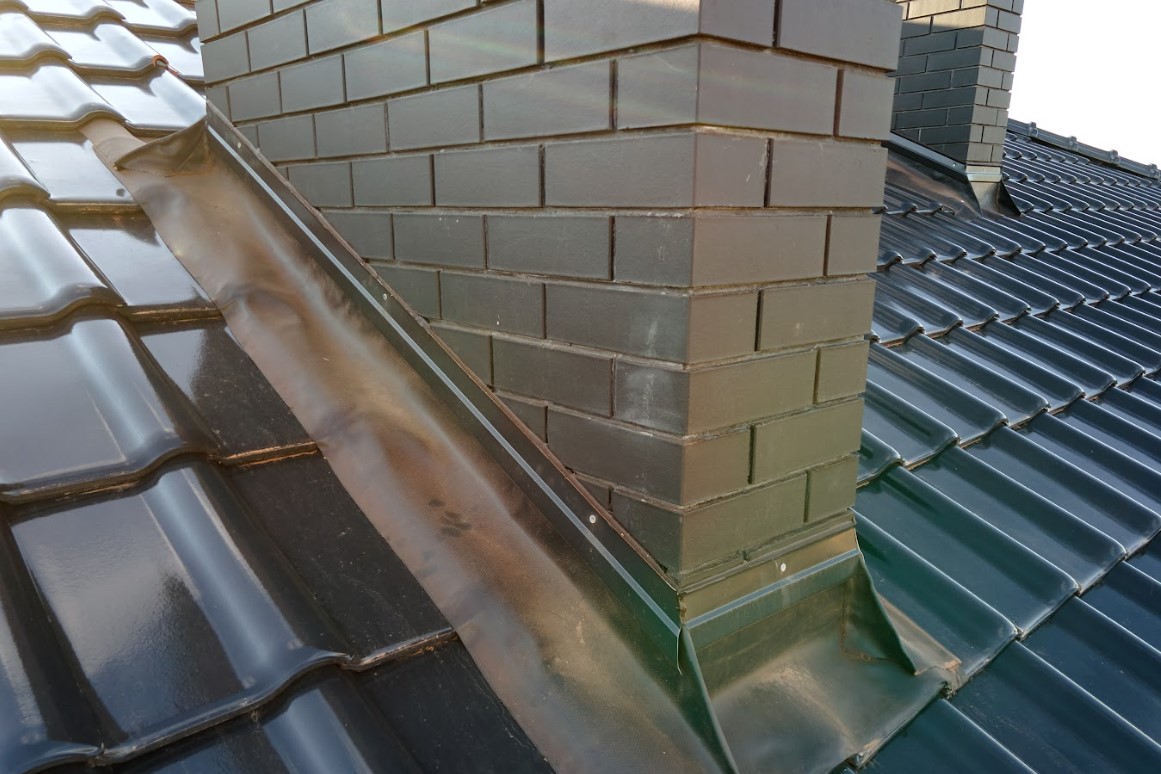
Flashing protects the most vulnerable areas of your roof: where materials meet and where penetrations occur.
Check around chimneys, skylights, and vent pipes for cracked sealant, rust, or lifted metal edges.
Winter temperature shifts often affect these areas first. Because flashing failure is a common cause of spring leaks, this step is central to spring roof readiness.
Step 4: Check the Attic for Hidden Signs
With the exterior reviewed, head inside.
A complete roof inspection guide includes attic inspection. Look for water stains, damp insulation, mold growth, or daylight showing through decking.
Attic ventilation supports effective spring roof maintenance by reducing condensation buildup. Seasonal home care is incomplete without evaluating airflow.
Step 5: Address Minor Repairs Immediately
Inspection only works if action follows.
Replacing a few shingles or resealing flashing now prevents larger structural damage later. Spring roof readiness is about correcting small vulnerabilities before they become expensive problems.
At this point, many homeowners ask whether professional help is necessary.
DIY vs Professional Spring Roof Maintenance
A basic roof inspection guide can be handled by many homeowners. Ground-level inspection, gutter clearing, and attic checks are manageable tasks for those comfortable with them.
However, professional spring roof maintenance includes deeper evaluation. Trained inspectors look for subtle flashing separation, soft decking, ventilation imbalance, and early structural concerns that may not be obvious.
Both approaches support seasonal home care. The difference is depth and experience.
When in doubt, a professional evaluation strengthens spring roof readiness.
Common Post-Winter Roofing Issues in Batesville
During spring roof maintenance in Batesville, certain patterns appear repeatedly:
- Ice dam edge damage
- Shingle cracking
- Flashing separation
- Gutter detachment
Each of these may seem small at first. However, once spring storms arrive, vulnerabilities are quickly exposed.
A consistent roof inspection guide helps identify and resolve these issues early.
When Spring Roof Maintenance Requires Immediate Attention
While most findings are minor, some signs demand quick response.
Active interior leaks, sagging roof sections, widespread shingle displacement, or soft decking suggest winter damage has progressed beyond routine seasonal home care.
Spring roof readiness includes knowing when to act quickly.
Deep Dive: Materials, Ventilation & Long-Term Protection
Understanding how materials respond to winter stress helps frame the importance of spring roof maintenance.
Asphalt shingles may lose granules or crack. Metal roofing expands and contracts with temperature changes. Ventilation affects both systems by regulating moisture and heat.
Many manufacturer warranties require documented maintenance. Skipping seasonal home care can jeopardize coverage if preventable damage is ignored.
Spring roof readiness protects performance, lifespan, and warranty coverage.
Quick Spring Roof Maintenance Checklist
To summarize this roof inspection guide:
- Inspect shingles from the ground
- Clear and evaluate gutters
- Check flashing and penetrations
- Inspect attic ventilation
- Complete minor repairs promptly
- Schedule professional evaluation if needed
Spring roof maintenance works best when it is consistent and systematic.
Spring Roof Maintenance FAQs for Homeowners in Batesville
If you are preparing for spring roof maintenance and want clarity before climbing a ladder or scheduling service, these are the most common questions homeowners in Batesville ask about post-winter inspections and seasonal home care.
How often should spring roof maintenance be performed?
Spring roof maintenance should be performed once per year after winter weather ends. An annual roof inspection guide helps identify freeze-thaw damage and prepares your home in Batesville for heavy spring rainfall and storm activity.
What does a roof inspection guide include?
A roof inspection guide includes checking shingles, flashing, gutters, attic ventilation, and structural components for post-winter stress. This structured approach ensures spring roof readiness and supports consistent seasonal home care.
Is early spring better than late spring for roof inspection?
Early spring is generally better for roof inspection because it allows time to complete repairs before heavier storm patterns develop. Scheduling spring roof maintenance early improves overall roof readiness in Batesville.
Can minor winter damage cause spring leaks?
Yes, minor winter damage can cause spring leaks because small cracks or lifted shingles may allow water intrusion once steady spring rain begins. That is why spring roof maintenance is essential for preventing hidden damage from escalating.
Do I need a professional inspection every year?
A professional inspection every year is recommended if you want a comprehensive roof inspection guide that goes beyond surface-level evaluation. Professional spring roof maintenance can identify subtle flashing or ventilation concerns that homeowners may miss.
Can seasonal home care extend roof lifespan?
Yes, consistent seasonal home care, including annual spring roof maintenance, can extend roof lifespan by correcting small vulnerabilities before they lead to structural damage.
Spring Roof Readiness Starts with Smart Seasonal Home Care
Spring roof readiness is not about fear. It is about preparation.
A structured roof inspection guide each spring ensures your roofing system is ready for rain, heat, and storm activity. In Batesville, where weather shifts quickly, proactive seasonal home care protects both structure and peace of mind.
With more than 35 years of experience, certified crews, and a 10-Year No-Leak Guarantee, Ladder Lions Roofing understands what winter does to roofing systems in Southeast Indiana.
Do not wait for the next heavy storm to test your roof.
Schedule your free inspection today.
Recent Articles
Commercial Roofing
Commercial Roof Maintenance: A Practical Guide for Building Owners
September 22, 2026
Residential Roofing
The Platinum Standard: Why Shingle Manufacturer Certifications Control the Life of Your Roof Warranty
September 15, 2026

Residential Roofing
GAF vs Owens Corning Shingles: An Honest Comparison
September 15, 2026

Commercial Gutters
Commercial Gutter Overload: Avoiding Building Erosion and Foundation Damage During August Storms
August 17, 2026