.png)
The Hidden Cost of Poor Roof Ventilation on Energy Bills in Batesville
February 10, 2026
•
Written By
Ladder Lions Roofing
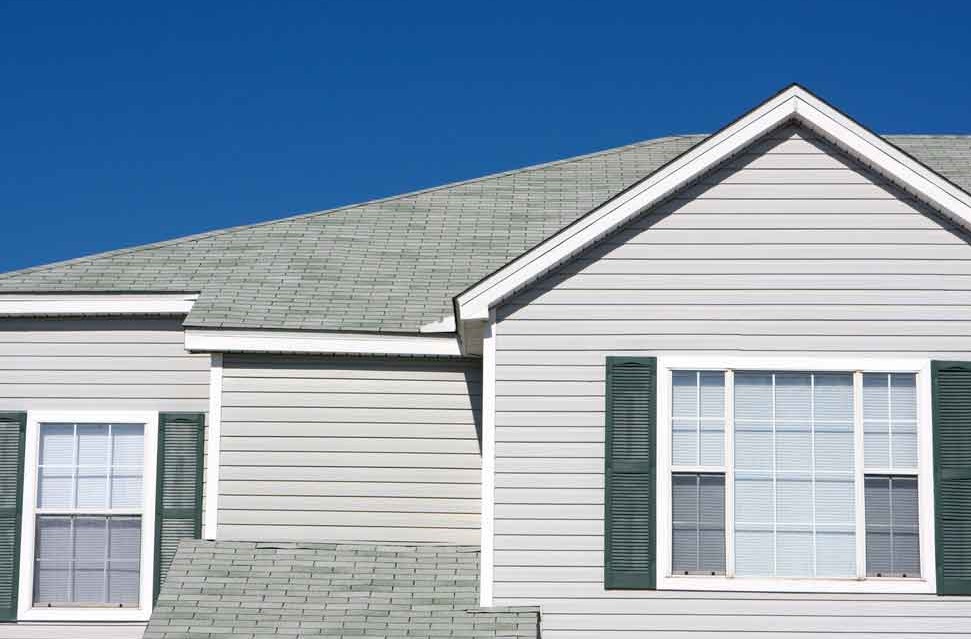
If you have ever opened your summer electric bill and thought something must be wrong, you are not alone.
Around Batesville, when July heat and humidity settle in, air conditioners run longer. Upstairs rooms feel warmer than they should. And energy bills climb quietly month after month.
Most homeowners blame the HVAC system.
But sometimes the real issue is sitting right above your ceiling.
Poor attic airflow reduces what we call energy efficiency roofing. It increases the long-term ventilation cost impact on your monthly bills and contributes to unnecessary roof heat loss in winter. It does not cause one dramatic failure. It simply costs you more over time.
In this guide, you will learn:
- How poor ventilation increases heating and cooling costs
- Why roof heat loss directly affects your winter energy bills
- The warning signs your attic may be driving up expenses
- How proper airflow protects both your roof and your wallet
If you suspect your attic may be working against you, Ladder Lions Roofing can help.
Why Roof Ventilation Directly Impacts Energy Bills in Southeast Indiana
Before we talk about money, let’s talk about how airflow works.
Your attic is designed to move air. Cool air enters at the soffits. Warm, moist air exits near the ridge. That steady exchange keeps attic temperatures stable and moisture from building up.
When ventilation is balanced, your insulation performs properly. Your roof deck stays dry. Your heating and cooling systems operate efficiently.
When ventilation is blocked or unbalanced, heat builds in summer and warm air escapes in winter. That imbalance directly increases energy use.
If you want a deeper explanation of how ventilation protects the roof structure itself, we explain that in How Attic Ventilation Impacts Your Roof More Than You Think. Here, we are focusing on the financial side of that equation.
Why This Matters in Batesville
Living in Southeast Indiana means dealing with temperature extremes.
In summer, attic temperatures can exceed 130 degrees. In winter, warm indoor air rises and meets freezing roof surfaces. Without proper airflow, that leads to roof heat loss, uneven snow melt, and ice dams.
Each season places extra strain on your HVAC system.
And that strain shows up on your energy bill.
The Real Ventilation Cost Impact on Energy Bills
Let’s look at how poor ventilation translates into real costs.
Summer: Heat Trapped in the Attic Raises Cooling Costs
When attic air reaches 130 to 140 degrees, that heat radiates downward into your living space.
Your air conditioner must run longer to maintain indoor comfort. Even a 10 to 15 percent increase in daily runtime adds up across a full cooling season.
That is the ventilation cost impact most homeowners feel first.
Not because something breaks, but because energy consumption steadily increases.
Proper airflow reduces attic heat buildup and helps restore true energy efficiency roofing performance.
Winter: Roof Heat Loss Increases Heating Demand
In winter, warm air rises naturally. If ventilation is unbalanced, that warmth escapes unevenly through the roof deck.
This creates:
- Increased roof heat loss
- Snow melting from underneath
- Ice dams forming at eaves
- Higher heating demand
Your furnace cycles more often to replace lost heat. Over time, that steady inefficiency increases fuel costs.
Balanced ventilation keeps attic temperatures closer to outdoor levels, limiting heat escape and protecting energy efficiency.
Signs Poor Ventilation Is Increasing Your Energy Bills
You do not need specialized tools to see warning signs.
Watch for:
- Upstairs rooms that remain warmer in summer
- Cold upper levels in winter
- HVAC systems that run almost constantly
- Energy bills rising without major usage changes
- Ice dams forming year after year
These are not just comfort issues. They often indicate that your roofing system is not operating efficiently.
How Ventilation Affects Energy Efficiency Roofing Long Term
Energy efficiency roofing is not just about shingles. It is about how the entire system performs together.
Overheated Shingles Increase Replacement Costs
Excess attic heat accelerates shingle aging. When shingles wear prematurely, replacement timelines shorten.
Early roof replacement is a major financial cost compared to correcting airflow.
Good ventilation protects both energy efficiency and long-term roofing investment.

Moisture Reduces Insulation Performance
Warm air carries moisture. When that moisture becomes trapped in the attic, insulation absorbs it.
Wet insulation loses its ability to resist heat transfer. That reduces overall energy efficiency and increases heating and cooling costs.
Moisture buildup therefore contributes directly to higher utility bills.
HVAC Strain Raises Operating Costs
Longer heating and cooling cycles increase energy consumption and equipment wear.
Poor ventilation therefore affects not only roofing materials but also monthly operating expenses.
Improving airflow reduces strain and supports balanced energy use.
Roofing Materials, Ventilation, and Energy Costs
Different roofing materials respond differently to heat and airflow, but the energy impact remains consistent.
Asphalt Shingles
Common throughout Batesville, asphalt shingles absorb solar heat. Without proper ventilation, trapped attic heat increases cooling demand and accelerates aging.
Metal Roofing
Metal roof reflects sunlight efficiently, but without balanced airflow beneath the deck, condensation can reduce insulation effectiveness and increase heating costs.
Premium Roofing Systems
Many premium systems require proper ventilation ratios to maintain warranty coverage. Poor airflow can shorten roof lifespan and reduce long-term energy efficiency.
Across all materials, proper ventilation supports stable attic temperatures and consistent energy performance.
Roof Ventilation and Energy Bills in Batesville: Common Questions Answered
When homeowners start noticing higher utility bills or uneven temperatures, the questions usually follow. Here are clear, straightforward answers about how roof ventilation affects energy efficiency, heating costs, and cooling demand.
Does poor roof ventilation increase energy bills?
Yes, poor roof ventilation increases energy bills. When attic heat builds up in summer or roof heat loss increases in winter, your HVAC system must run longer to maintain comfort. That added runtime directly raises monthly utility costs.
How can I tell if roof heat loss is affecting my home?
Roof heat loss is affecting your home if upper levels feel colder in winter and your heating system cycles more often than usual. Warm air escaping unevenly through the roof deck forces your furnace to replace lost heat. Over time, that steady loss increases fuel consumption.
Is roof ventilation required by building code?
Yes, roof ventilation is required by building code. Most homes must meet minimum intake and exhaust airflow ratios to maintain balanced attic conditions. Proper ventilation supports both structural integrity and energy efficiency.
Can improving ventilation reduce energy costs?
Yes, improving ventilation can reduce energy costs. Balanced airflow lowers attic temperatures in summer and limits roof heat loss in winter. That stability reduces the strain on heating and cooling systems.
Do ventilation upgrades require a full roof replacement?
No, ventilation upgrades do not usually require a full roof replacement. Many improvements involve adding ridge vents, clearing soffit blockages, or adjusting airflow components. Correcting ventilation often costs far less than replacing shingles prematurely.
Final Thoughts: Energy Efficiency Starts at the Top
When energy bills rise, it is easy to focus on appliances or insulation.
But poor ventilation quietly increases ventilation cost impact year after year. It contributes to roof heat loss in winter and higher cooling demand in summer.
Energy efficiency roofing is about more than materials. It is about balanced airflow, controlled temperatures, and a system that works the way it should.
We have spent decades working on homes in this community. We believe in practical solutions, honest answers, and protecting both your roof and your budget.
If you suspect poor ventilation may be driving up your energy bills, schedule your free inspection today. Ladder Lions Roofing is just a phone call away!
Let Us Tame Your Roof.
Recent Articles
Commercial Roofing
Commercial Roof Maintenance: A Practical Guide for Building Owners
September 22, 2026
Residential Roofing
The Platinum Standard: Why Shingle Manufacturer Certifications Control the Life of Your Roof Warranty
September 15, 2026
Residential Roofing
GAF vs Owens Corning Shingles: An Honest Comparison
September 15, 2026
Commercial Gutters
Commercial Gutter Overload: Avoiding Building Erosion and Foundation Damage During August Storms
August 17, 2026