.png)
Everything Homeowners Should Know About Fascia & Soffit Health in Batesville
March 18, 2026
•
Written By
Ladder Lions Roofing
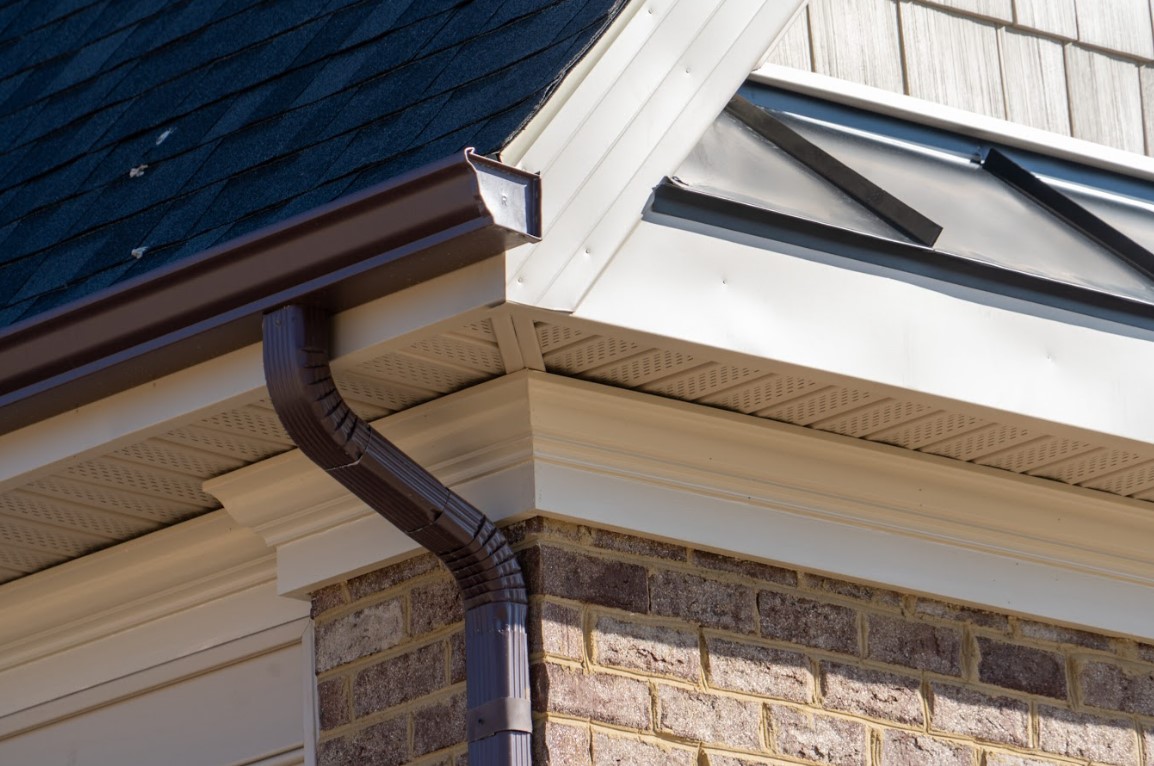
Every fall in Batesville, we start seeing the same early warning signs. Gutters fill with leaves. Moisture lingers along the roofline. Paint begins to peel from the fascia. What looks minor at first often turns into larger fascia board issues by winter.
Then colder weather settles in. Without proper soffit ventilation, attic moisture builds. Ice forms along the eaves. By spring, roof edge protection has already been compromised.
None of this happens overnight. It develops slowly and quietly. That is why understanding fascia and soffit health is so important.
If you own a home in Batesville or anywhere in Southeast Indiana, here is what you should know:
- What fascia boards and soffits actually do
- What causes fascia board issues
- Why soffit ventilation protects your roof system
- How roof edge protection ties everything together
- When repair makes sense and when replacement is smarter
- How routine maintenance protects your investment
Fascia and soffits may not be the most noticeable parts of your roof, but they quietly support the entire system. If you are unsure about the condition of your roof edge, Ladder Lions Roofing can help.
Why Fascia & Soffit Health Matters in Batesville
Before getting into repairs or materials, it helps to understand why these components matter in the first place.
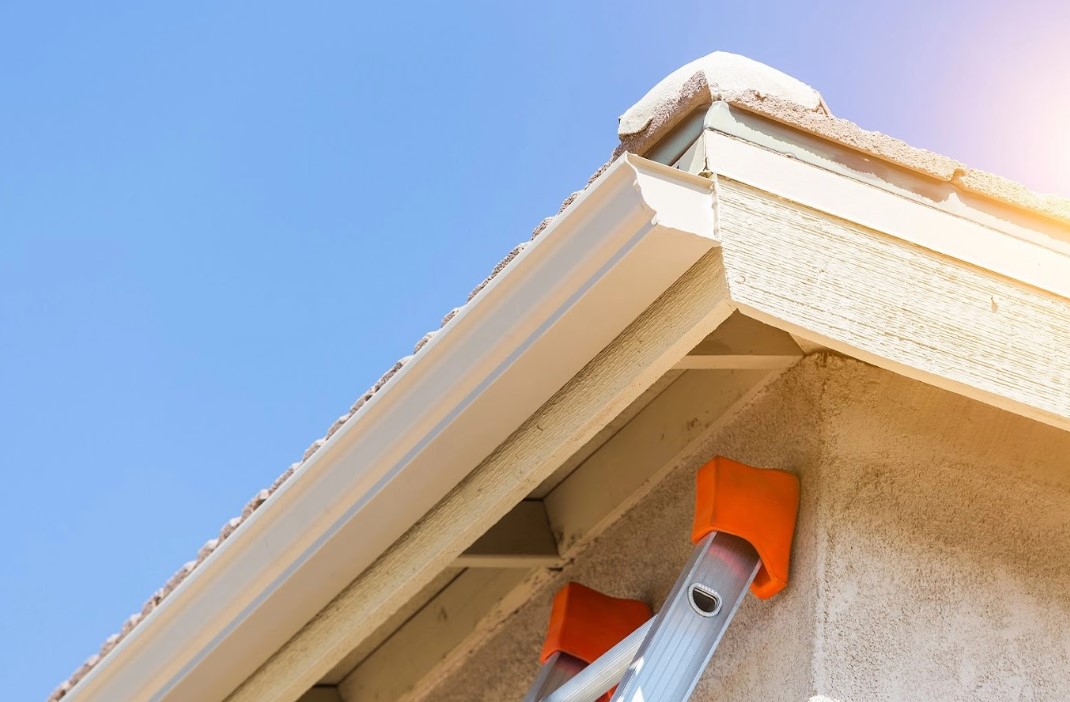
Fascia boards run vertically along the roof edge. They support the gutter system and create a finished edge at the roofline.
Soffits run horizontally beneath the overhang. Their vents allow outside air to circulate into the attic space.
Individually, they serve specific purposes. Together, they form a protective and ventilated roof edge system.
In Batesville, homes face steady rainfall, freeze-thaw winter cycles, humid summers, and heavy leaf buildup in fall. These conditions put constant stress on the roof edge. When fascia board issues develop or soffit ventilation becomes blocked, moisture exposure increases and roof edge protection begins to weaken.
Understanding this connection is the first step toward protecting your home.
What Causes Fascia Board Issues and Soffit Damage?
Once you understand their role, the next logical question is what causes problems to begin with.
Most fascia board issues do not appear suddenly. They develop over time due to repeated moisture exposure or airflow imbalance.
Common causes include:
- Clogged gutters allowing water to sit against the fascia
- Poor drainage directing water toward the roof edge
- Inadequate soffit ventilation trapping attic moisture
- Ice dam formation during winter
- Aging paint or sealant failure
- Pest intrusion
- Improper installation
Moisture is the common thread. When water repeatedly sits along the roofline, materials weaken gradually.
If you want a deeper look at how water movement affects roof edges and foundations, see our guide on The Truth About Downspout Placement: How It Protects Your Roof and Foundation. Proper drainage supports long-term roof edge protection and reduces the likelihood of recurring fascia board issues.
With the causes clear, the next step is understanding how to approach solutions.
What to Consider Before Repairing Fascia or Soffits
When fascia board issues become visible, reacting quickly is important. But reacting wisely is even more important.
Budget Considerations
Minor rot or localized damage may only require repair. Structural deterioration often requires replacement. Addressing issues early helps preserve roof edge protection and control long-term costs.
Material Selection
Fascia and soffits are typically made from:
- Wood
- Aluminum
- Vinyl
- Fiber cement
Each material offers different durability levels. In a climate like Batesville, moisture resistance plays a major role in long-term performance.
Ventilation Balance
Repairing fascia without restoring proper soffit ventilation leaves the attic vulnerable. Airflow must remain balanced for the roof system to perform correctly.
Gutter Integration
Because gutters attach directly to fascia boards, any repair should include evaluation of the entire roof edge protection system.
In other words, fascia and soffit health should never be treated as isolated components. They are part of a larger system.
The Core Functions of Healthy Fascia & Soffits
To see how everything connects, it helps to break fascia and soffit health into its core functions.
1. Supporting the Gutter System
Fascia boards anchor your gutters. When fascia weakens, gutters sag or pull away.
Once that happens, water may spill behind the gutter rather than flow through downspouts. Repeated moisture exposure at the roof edge accelerates deterioration and worsens fascia board issues.
Strong fascia supports proper drainage. Proper drainage supports roof edge protection.

2. Regulating Attic Airflow Through Soffit Ventilation
Beyond supporting gutters, soffit ventilation protects the roof from inside the attic.
Soffit vents allow cool air to enter while ridge vents exhaust warm air. Without adequate airflow:
- Heat builds up in summer
- Condensation forms in winter
- Shingles age prematurely
- Ice dams become more likely
Balanced soffit ventilation helps regulate attic temperature and moisture levels, preserving both roof materials and insulation.
In Batesville’s climate, airflow management is not optional. It is essential.
3. Protecting Against Moisture Intrusion
With drainage and ventilation working properly, the final layer of protection is physical sealing.
Fascia and soffits close off the vulnerable space where the roof meets the exterior wall. When those components fail, wind-driven rain can enter the structure.
Moisture intrusion spreads from the roof edge inward, affecting decking and framing. Small fascia board issues can quickly become larger structural concerns if left unchecked.
Roof edge protection depends on maintaining this barrier.
4. Preventing Pest Entry
Another often overlooked function of fascia and soffit health is pest prevention.
Damaged soffits create openings for birds, squirrels, and insects. Once inside, pests can damage insulation and wiring.
Maintaining soffit ventilation panels protects both airflow and attic security. It is one more reason these components deserve regular inspection.
Repair vs Replacement: Making the Right Call
Once damage is identified, the next decision is whether repair or replacement is appropriate.
Repair may be sufficient when damage is localized and structural integrity remains intact.
Replacement is often necessary when rot extends into framing, large sections are deteriorated, or gutters repeatedly detach due to weakened fascia.
The goal is not simply cosmetic improvement. The goal is restoring full roof edge protection and maintaining long-term fascia and soffit health.
Maintenance Checklist for Long-Term Roof Edge Protection
After repair or replacement, ongoing care protects your investment.
Simple steps include:
- Cleaning gutters twice per year
- Inspecting fascia seams and paint annually
- Checking for soft spots near fasteners
- Ensuring soffit ventilation openings remain clear
- Scheduling periodic professional inspections
In Batesville, seasonal weather changes make consistent maintenance especially important.
Preventative care keeps small issues from becoming large ones.
Deep Dive: Materials, Lifespan & Installation Quality
With maintenance in mind, material durability becomes the next consideration.
Typical lifespan ranges include:
- Wood fascia: 10–20 years with proper maintenance
- Aluminum-wrapped fascia: 20+ years
- Vinyl soffits: 20–30 years
- Fiber cement: 25+ years
Many homeowners choose aluminum-wrapped fascia to shield underlying wood from moisture.
However, even the best materials fail if installed improperly. Blocked soffit ventilation openings, poor sealing, or incorrect fastening can shorten lifespan significantly.
Balanced installation and ventilation preserve roof edge protection and support overall roofing performance.
Fascia Board Issues & Soffit Ventilation FAQs for Homeowners in Batesville
If you are evaluating the condition of your roof edge or wondering whether small problems could turn into larger ones, these are the most common questions we hear from homeowners in Batesville about fascia board issues, soffit ventilation, and roof edge protection.
What are common signs of fascia board issues?
Common signs of fascia board issues include peeling paint, soft or spongy wood, sagging gutters, and visible rot along the roof edge. These symptoms usually indicate repeated moisture exposure that is weakening roof edge protection and compromising gutter support.
How does soffit ventilation protect my roof?
Soffit ventilation protects your roof by allowing balanced airflow into the attic. Proper airflow reduces moisture buildup and temperature extremes, which helps prevent premature shingle deterioration and supports long-term roof edge protection.
Can damaged fascia affect gutter performance?
Yes, damaged fascia affects gutter performance because gutters rely on fascia boards for structural support. When fascia weakens, gutters can sag or detach, increasing the risk of drainage problems and accelerating fascia board issues.
How often should fascia and soffits be inspected in Batesville?
Fascia and soffits should be inspected at least once per year in Batesville. Seasonal rainfall, freeze-thaw cycles, and leaf buildup increase the likelihood of developing fascia board issues or blocked soffit ventilation.
Can poor soffit ventilation cause structural damage?
Yes, poor soffit ventilation can cause structural damage by allowing condensation to accumulate inside the attic. Over time, trapped moisture can lead to mold growth, wood rot, and reduced roof edge protection.
Is fascia damage always visible from the ground?
No, fascia damage is not always visible from the ground because early fascia board issues often develop behind gutters or beneath peeling paint. A professional inspection can identify hidden deterioration before it spreads.
Why Fascia & Soffit Health Protects Your Entire Roofing System
Everything homeowners should know about fascia and soffit health comes back to one idea: roof edge protection supports the entire roofing system.
Healthy fascia boards secure gutters. Proper soffit ventilation protects attic airflow. Together, they prevent moisture intrusion and extend roof lifespan.
In a climate like Batesville’s, where moisture and temperature swings are constant, maintaining fascia and soffit health is part of responsible homeownership.
With more than 35 years of experience, certified crews, and a 10-Year No-Leak Guarantee, Ladder Lions Roofing understands how local weather affects roof edge systems.
If you have noticed peeling paint, sagging gutters, or ventilation concerns, now is the time to address them.
Schedule your free inspection today.
Recent Articles
Commercial Roofing
Commercial Roof Maintenance: A Practical Guide for Building Owners
September 22, 2026
Residential Roofing
The Platinum Standard: Why Shingle Manufacturer Certifications Control the Life of Your Roof Warranty
September 15, 2026
Residential Roofing
GAF vs Owens Corning Shingles: An Honest Comparison
September 15, 2026
Commercial Gutters
Commercial Gutter Overload: Avoiding Building Erosion and Foundation Damage During August Storms
August 17, 2026