.png)
Roof Tarping in Indiana: When, Why, and How
November 1, 2025
•
Written By

When severe weather hits Indiana, you need a roofing team you can count on for fast, reliable protection. At Ladder Lions Roofing, we’ve been safeguarding homes and businesses across the state since 1990. As a long-standing, community-focused roofing company, we take pride in delivering top-tier roofing solutions, ranging from asphalt shingles and metal roofing to commercial PVC systems and seamless gutters. But when storms strike unexpectedly, roof tarping becomes one of the most essential services we offer.
Roof tarping may seem like a temporary fix, and it is, but it’s also one of the fastest and best ways to prevent further damage after storm events. Whether your roof has been punctured by hail, torn open by wind, or compromised by falling branches, a properly installed tarp buys you time, stops water intrusion, and protects your home until permanent repairs can be completed. At Ladder Lions Roofing, our goal is simple: to provide immediate safety and dependable temporary coverage when our neighbors need it most.
Why Roof Tarping Matters in Indiana
Indiana weather is unpredictable, with seasonal storms that can overwhelm even a well-maintained roofing system. Wind gusts during spring thunderstorms, winter ice accumulation, or widespread hail during summer can all leave a roof vulnerable. Once the shingles or roof membrane are compromised, even a small opening can lead to major interior damage.
Tarping prevents:
- Active leaks and water intrusion
- Worsening structural damage
- Mold and mildew growth
- Damage to insulation, drywall, and flooring
- Higher repair and restoration costs
Because Indiana experiences frequent freeze-thaw cycles, water infiltration can cause even more rapid deterioration. A tarp provides a secure storm roof cover that seals your home until weather conditions stabilize and repairs can be scheduled.
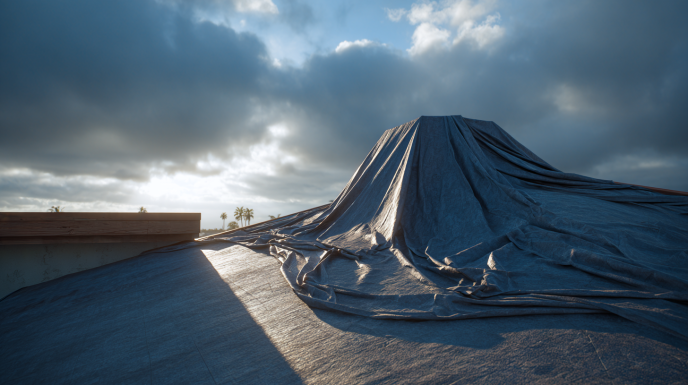
When You Need Roof Tarping
Homeowners often wonder: How do I know when tarping is necessary? In Indiana, tarping is recommended any time the roof is unable to protect the interior of the home. This includes:
1. After severe storms
Windstorms, hailstorms, tornadoes, and heavy rain can peel shingles, dent metal panels, crack PVC roofing, or rip open seams. Anytime storm damage exposes the underlayment or decking, tarping is essential.
2. When active leaks appear
Even small drips during or after a storm indicate that water is moving past the roof system. A tarp stops water immediately while preventing the leak from spreading.
3. When shingles or panels go missing
Indiana’s wind events regularly dislodge shingles, especially around ridges, eaves, and valleys. A missing shingle today can become a major leak tomorrow.
4. After fallen tree limbs or debris impact your roof
Impact damage can puncture shingles, dent metal roofing, or even crack flat roofing membranes. Tarping keeps rain out while the extent of the damage is assessed.
5. During insurance claim processing
If you’re filing an insurance claim, your provider often requires temporary measures like tarping to prevent avoidable damage. Ladder Lions Roofing assists with insurance claim documentation and ensures your home stays protected during the process.
How Roof Tarping Works
Proper roof tarping is more than just tossing a tarp over a damaged area. Ladder Lions Roofing follows a proven, secure method designed to hold up against Indiana weather.
Step 1: Drone Roof Inspection
We start by using drone inspections when necessary to get a safe, clear view of the roof damage, especially after storms that leave debris or compromised structures. This allows us to assess the area quickly and accurately.
Step 2: Surface Preparation
Before installing a tarp, our crew clears loose debris, removes unstable roofing materials, and identifies any areas where water may still be entering.
Step 3: Tarp Placement
We use heavy-duty, storm-grade tarps large enough to fully cover the damaged section with plenty of overlap. This ensures proper coverage from ridge to eave when needed.
Step 4: Securing the Tarp
The tarp is tightly secured using wood boards fastened into the roof decking, not the shingles, to prevent further damage. This creates a water-shedding seal capable of withstanding Indiana wind and rain.
Step 5: Monitoring and Planning Repairs
Once the tarp is in place, we help homeowners understand the next steps, including repair estimates, insurance claim support, and scheduling permanent restoration.

Why Choose Ladder Lions Roofing for Roof Tarping Services
With more than three decades of experience serving Indiana homes and businesses, Ladder Lions Roofing brings unmatched knowledge of local weather challenges. Our storm damage repair services, including roof leak repairs, roof tarping, and insurance claim assistance, are designed to protect your property when you need fast intervention. We work with all roofing types: architectural, premium, and impact-resistant asphalt shingles; steel and metal systems; residential flat roofs; and commercial PVC, metal, and asphalt roofing.
When you call us for Indiana roof tarping, you’re getting rapid response, expert installation, and the peace of mind that your home is safe until repairs can be completed.
Ready to Learn More?
If a storm has damaged your roof or you suspect a leak, don’t wait. Indiana storms can worsen roof damage quickly, and early intervention saves you money. Contact Ladder Lions Roofing today for trusted roof tarp services, storm roof cover solutions, and expert storm damage repairs. We’re here to protect your home with the reliable craftsmanship and community-first service we’ve been known for since 1990.
Recent Articles
Commercial Roofing
Commercial Roof Maintenance: A Practical Guide for Building Owners
September 22, 2026
Residential Roofing
The Platinum Standard: Why Shingle Manufacturer Certifications Control the Life of Your Roof Warranty
September 15, 2026
Residential Roofing
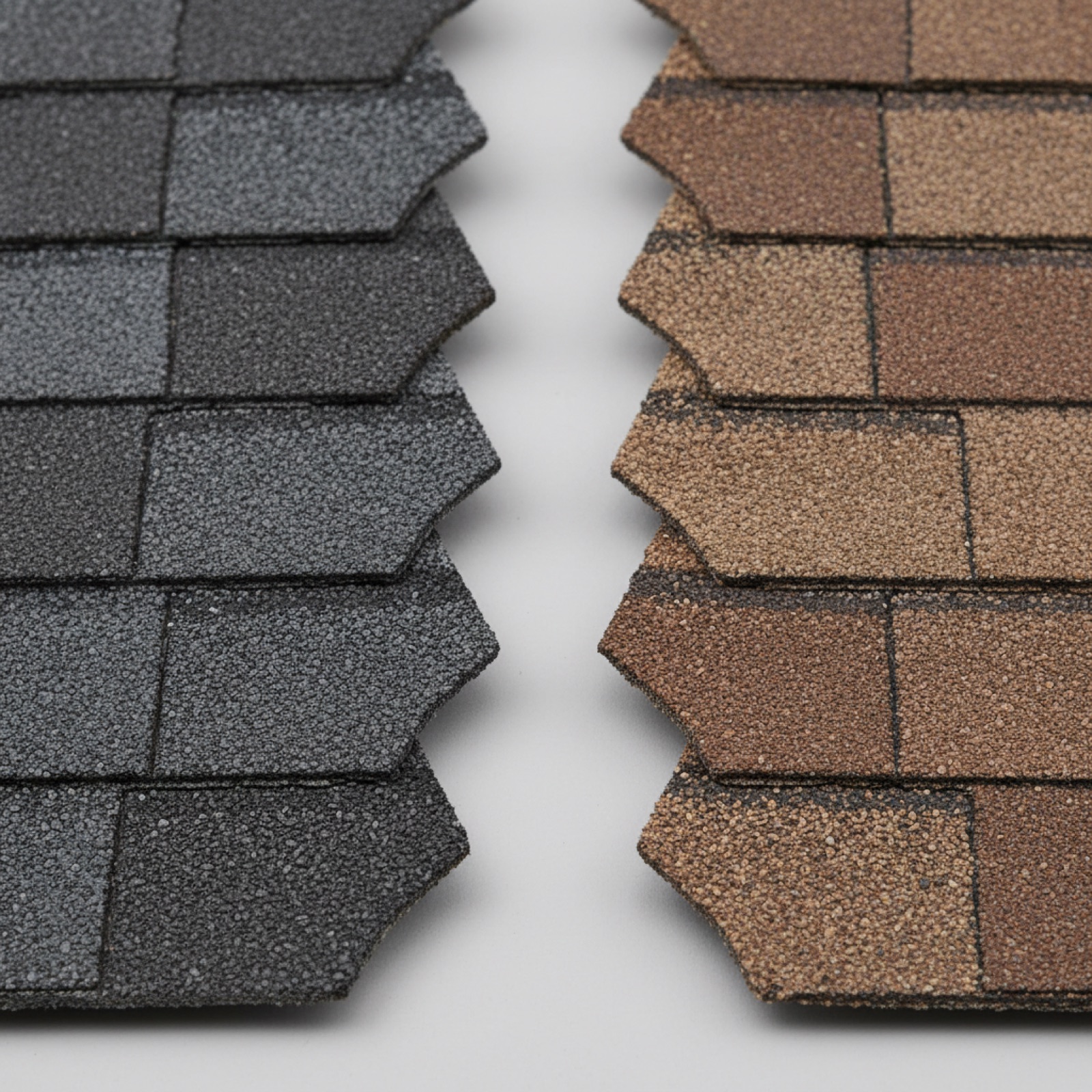
GAF vs Owens Corning Shingles: An Honest Comparison
September 15, 2026
Commercial Gutters
Commercial Gutter Overload: Avoiding Building Erosion and Foundation Damage During August Storms
August 17, 2026