.png)
Ice vs. Water: Understanding the Difference Between Ice Dams and Freeze Damage in Batesville
February 25, 2026
•
Written By
Ladder Lions Roofing
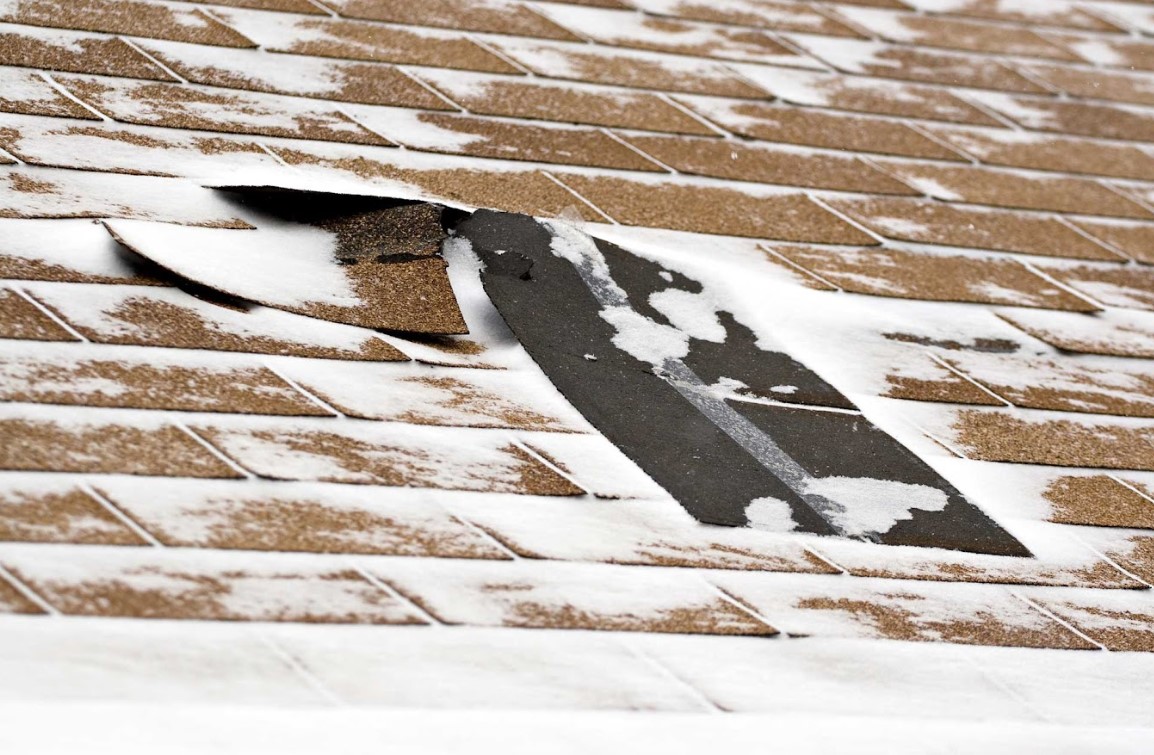
Winter in Batesville rarely follows a straight line.
One week it’s 40 degrees and raining. A few days later it’s 15 degrees and everything is frozen solid. Snow melts during the afternoon sun, then refreezes overnight. That constant swing between ice and water is exactly what leads to winter roof damage across Southeast Indiana.
When a leak shows up in January or February, most homeowners assume it’s an ice dam. Sometimes that’s true. But other times, the problem started with freeze-thaw cycles slowly stressing roofing materials long before the leak appeared.
Both issues involve water. Both involve freezing temperatures. But they are not the same thing.
Understanding the difference between ice dam formation and freeze-thaw roofing damage is the key to protecting your roof in Batesville.
In this guide, we’ll walk through:
- How ice dams form and why ice dam prevention matters
- How freeze-and-thaw cycles affect roofing materials
- Why local winter weather increases both risks
- What signs to watch for before interior damage appears
- How to protect your roof’s long-term lifespan
If you’re unsure what this winter may have done to your roof, Ladder Lions Roofing can help.
Ice Dams vs. Freeze-Thaw Roofing: Two Forms of Winter Roof Damage
To protect your roof properly, you first need to understand which type of winter roof damage you’re dealing with.
Although ice dams and freeze-thaw roofing stress often happen during the same season, they develop in very different ways.
What Is an Ice Dam?
An ice dam forms when uneven roof temperatures cause snow to melt near the peak while the lower edge of the roof remains cold enough to refreeze that water.
Over time, this creates a ridge of ice along the eaves. As melting continues above that ridge, water becomes trapped. With nowhere to drain, it backs up under shingles and into the roof system.
That’s why ice dam prevention focuses heavily on insulation and ventilation. When the entire roof surface stays closer to the same temperature, water flows off naturally instead of refreezing at the edge.
If you’d like a deeper explanation of formation patterns and warning signs specific to our region, we cover that in detail in our complete guide to roof ice dams for Southeast Indiana homeowners.
What Is Freeze-Thaw Roofing Damage?
While ice dams involve water backing up at the surface, freeze-thaw roofing damage happens inside the materials themselves.
Here’s how it works.
Moisture enters small cracks or seams in shingles, flashing, or sealants. When temperatures drop below freezing, that moisture expands. When temperatures rise again, it contracts. Each cycle widens the opening slightly.
In Batesville, winter temperatures often cross the freezing point multiple times in a single week. Those repeated freeze-and-thaw cycles place steady stress on roofing materials.
Over time, that stress can lead to:
- Cracked or brittle shingles
- Separated flashing around chimneys or vents
- Failed sealant joints
- Exposed or lifted fasteners
So while ice dams are a drainage problem, freeze-thaw roofing damage is a material breakdown problem.
Both are driven by winter weather. Both can lead to leaks. But they require slightly different prevention strategies.
Why Winter Weather in Batesville Increases Both Risks
Now that we’ve separated ice from water, let’s connect it back to local conditions.
Unlike regions that stay consistently cold all winter, Southeast Indiana experiences frequent temperature swings. Snow melts during the day and refreezes overnight. Rain can fall one day and freeze the next.
That fluctuation does two things:
- It creates the melt-and-refreeze pattern that leads to ice dams.
- It drives freeze-thaw cycles that stress roofing materials repeatedly.
Because our climate crosses the freezing mark so often, homes in Batesville face both surface water backup and internal material stress during the same season.
That’s why a winter roof inspection should look for both problems, not just one.
Preparing to Address Winter Roof Damage
Before jumping into repairs, it’s important to determine whether you’re seeing signs of ice dam intrusion, freeze-thaw roofing stress, or a combination of both.
Understanding the difference affects both cost and approach.
Budget Awareness
Ice dam damage often becomes visible inside first. Water backs up beneath shingles and shows up as ceiling stains, wet insulation, or peeling paint. Repairs may involve both roofing components and interior materials.
Freeze-thaw roofing damage usually starts on the surface. Small cracks and flashing separation develop slowly, sometimes without immediate leaks. Catching those early can prevent more serious winter roof damage later.
Code and Material Considerations
Ice and water shield is required in vulnerable areas during roof replacement. This membrane provides backup protection against water intrusion caused by ice dams.
However, membranes alone do not prevent freeze-thaw stress within aging shingles. That protection comes from proper installation, balanced ventilation, and maintaining material integrity.
Both approaches work together to reduce overall winter risk.
Timing Matters
The best time to evaluate winter-related roof damage in Batesville is late winter or early spring. By then, snow has cleared, but signs of ice dam formation and freeze-thaw cracking are still visible.
Waiting too long allows minor issues to carry into the next season.
How Ice Dams Lead to Interior Damage
With that preparation in mind, let’s look more closely at how ice dams cause damage.
When water becomes trapped behind a ridge of ice, it begins working under shingles. Roofing systems are designed to shed water downward, not hold standing water.
As moisture moves beneath the surface, it can:
- Soak underlayment
- Saturate decking
- Drip into attic insulation
- Create stains along exterior walls
Ice dam prevention is about keeping that chain reaction from starting in the first place.
When attic heat is controlled and ventilation is balanced, meltwater drains off the roof instead of refreezing at the eaves.

How Freeze-Thaw Cycles Break Roofing Materials Down
While ice dams create visible water intrusion, freeze-thaw roofing damage works more gradually.
Moisture that seeps into small gaps freezes and expands. That expansion pushes materials apart slightly. When temperatures rise, the gap remains just a bit wider than before.
After dozens of cycles, shingles may crack completely, flashing may separate, and sealants may fail.
This is why freeze-thaw cycles affecting roofing materials are such a major winter roof damage factor in Batesville. The process is slow but cumulative.
Left unaddressed, it reduces the roof’s ability to resist future storms.

Ice Dam Prevention vs. Freeze-Thaw Protection
Because these two problems develop differently, prevention strategies must address both.
Ice Dam Prevention Focuses On:
- Consistent attic insulation
- Balanced ridge and soffit ventilation
- Sealing attic air leaks
- Installing ice and water shield along eaves
The goal is temperature consistency so water drains properly.
Freeze-Thaw Roofing Protection Focuses On:
- Replacing brittle or cracked shingles
- Inspecting flashing annually
- Resealing vulnerable penetrations
- Addressing minor roof issues before winter
The goal is limiting moisture entry so freeze expansion cannot widen small openings.
When both strategies are applied, the risk of winter roof damage in Batesville drops significantly.
Long-Term Impact on Roof Lifespan
Winter stress is rarely a one-time event.
Repeated ice dam formation exposes underlayment to standing water. Repeated freeze-and-thaw cycles weaken shingles and flashing year after year.
Over multiple winters, these combined stresses can shorten a roof’s expected lifespan.
Understanding Ice vs. Water helps homeowners address both water backup and material breakdown before they compound into larger structural issues.
Winter Roof Damage & Ice Dam Prevention Questions in Batesville
When winter weather moves through Batesville, homeowners often have the same concerns about ice dam prevention, freeze-thaw roofing stress, and long-term winter roof damage. Here are clear, straightforward answers to the most common questions we hear.
Are ice dams and freeze-thaw roofing damage the same thing?
No, ice dams and freeze-thaw roofing damage are not the same thing. Ice dams involve water backing up at the roof edge due to uneven temperatures, while freeze-thaw roofing damage occurs when moisture expands inside cracks and gradually weakens materials. Both are forms of winter roof damage, but they develop differently and require slightly different prevention strategies.
Does winter weather in Batesville increase roof damage risk?
Yes, winter weather in Batesville increases roof damage risk because temperatures frequently move above and below freezing. Those swings create the melt-and-refreeze conditions that cause ice dams and the expansion cycles that stress roofing materials. This combination makes both ice dam prevention and freeze-thaw protection especially important in our area.
Can ice dams shorten the lifespan of my roof?
Yes, ice dams can shorten the lifespan of your roof. When water backs up behind ice ridges, it can soak underlayment and decking, accelerating wear over time. Repeated winter roof damage from ice dams compounds the stress year after year.
Can freeze-thaw roofing damage cause leaks later?
Yes, freeze-thaw roofing damage can cause leaks later. Small cracks created by repeated freezing cycles gradually widen until water penetrates more deeply during rain or snow events. This type of winter roof damage often starts small but worsens without inspection and maintenance.
Is ice and water shield enough to prevent winter roof damage?
No, ice and water shield alone is not enough to prevent winter roof damage. It provides a protective barrier against water intrusion from ice dams, but it does not stop freeze-thaw cycles from stressing aging roofing materials. Proper ventilation and routine inspections are also necessary for full protection.
Should I remove ice dams myself?
No, you should not remove ice dams yourself. Mechanical removal can damage shingles and create safety hazards on icy surfaces. Professional evaluation ensures both ice-related water backup and freeze-thaw roofing stress are addressed correctly.
Final Thoughts: Ice vs. Water Matters in Batesville
Winter roof damage in Batesville is not just about ice.
Sometimes it’s water backing up behind frozen ridges. Sometimes it’s moisture expanding inside roofing materials during freeze-thaw cycles.
Both are driven by the same winter weather patterns. Both affect roof performance over time.
Understanding the difference allows you to focus on real ice dam prevention while also protecting your roof from gradual freeze-thaw stress.
If you want peace of mind before or after winter weather rolls through, schedule your free inspection today.
Let Us Tame Your Roof.
Recent Articles
Commercial Roofing
Commercial Roof Maintenance: A Practical Guide for Building Owners
September 22, 2026
Residential Roofing
The Platinum Standard: Why Shingle Manufacturer Certifications Control the Life of Your Roof Warranty
September 15, 2026
Residential Roofing
GAF vs Owens Corning Shingles: An Honest Comparison
September 15, 2026
Commercial Gutters
Commercial Gutter Overload: Avoiding Building Erosion and Foundation Damage During August Storms
August 17, 2026